
Sat Jan 24 07:06:48 UTC 2026: ### Deadly Landslide Hits Java, Indonesia, Leaving Dozens Missing
The Story:
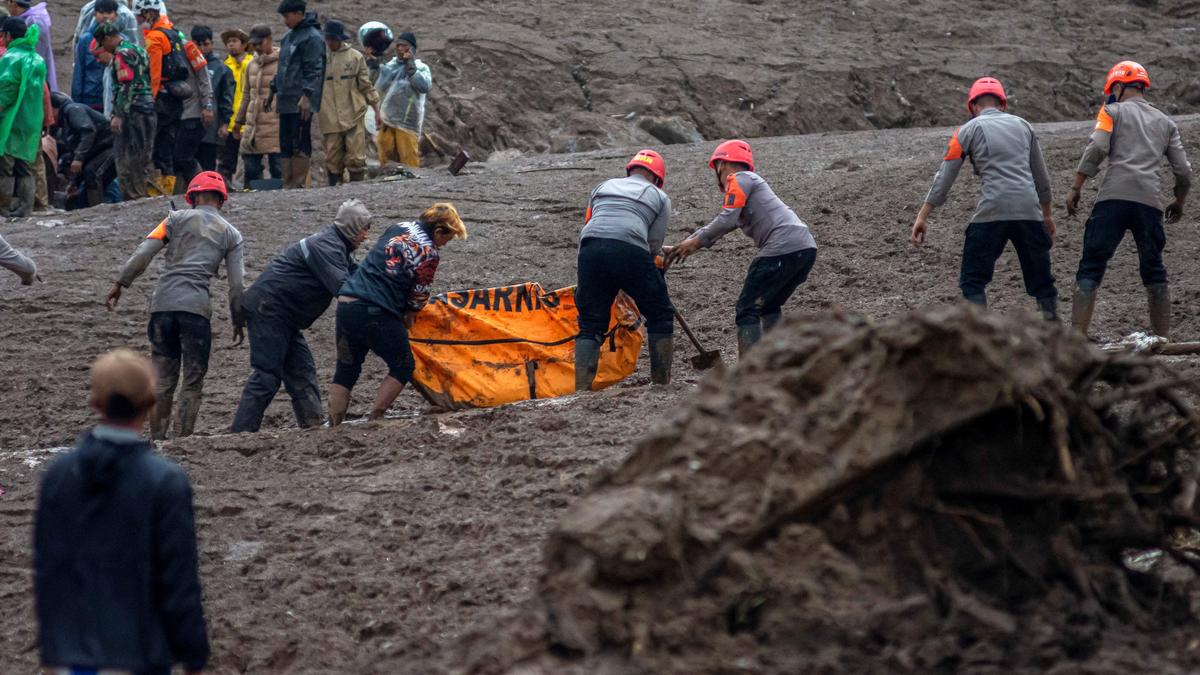
A devastating landslide struck villages in the West Bandung region of Java, Indonesia, on January 24, 2026, resulting in at least eight confirmed deaths and leaving more than 80 people missing. The landslide, triggered by heavy rainfall, occurred in the early hours of the morning, burying residential areas. Rescue efforts are underway, but hampered by difficult terrain and unstable ground. The disaster follows a series of severe floods and landslides in Indonesia, raising concerns about deforestation and its impact on the country’s vulnerability to natural disasters.
Key Points:
- The landslide occurred in the West Bandung region of Java, Indonesia, on January 24, 2026.
- At least eight people are confirmed dead, and over 80 are missing.
- Heavy rainfall is cited as the primary trigger for the landslide.
- Rescue efforts are being conducted by the military, police, and volunteers, but are facing challenges due to difficult terrain.
- The disaster follows previous severe flooding and landslides in Indonesia, notably in Sumatra, where approximately 1,200 people died and over 240,000 were displaced.
- Deforestation is highlighted as a contributing factor to the increased frequency and severity of landslides, as forests help absorb rainfall and stabilize the ground.
- Indonesia lost over 240,000 hectares of primary forest in 2024.
- The Indonesian government has filed lawsuits against companies for damages related to previous flooding and has revoked permits from forestry, mining, and hydroelectric companies.
Critical Analysis:
The Indonesian government seems to be taking action, as they have sued companies and revoked permits. However, the forest loss has already occurred, and the damage is done. They are playing catch-up and have a long way to go.
Key Takeaways:
- Indonesia is highly vulnerable to landslides and flooding due to its geography and climate, particularly during the rainy season.
- Deforestation exacerbates the risk of these natural disasters by reducing the land’s ability to absorb rainfall and maintain stability.
- The recent landslide highlights the urgent need for comprehensive land management strategies and stricter environmental regulations in Indonesia.
- The government is attempting to address the issue by seeking damages from companies and revoking permits.
- The recurring nature of these disasters suggests that these measures may not be sufficient to prevent future tragedies.
Impact Analysis:
The Java landslide, in the context of previous events, points to a recurring cycle of deforestation, natural disasters, and reactive government measures. This cycle has several long-term implications:
- Economic Costs: The repeated destruction of infrastructure and residential areas will strain the Indonesian economy, diverting resources from development and social programs.
- Social Displacement: The displacement of large populations due to disasters leads to social disruption, increased poverty, and potential humanitarian crises.
- Environmental Degradation: Continued deforestation not only increases the risk of landslides but also contributes to biodiversity loss, climate change, and soil erosion.
- Policy Implications: The pressure from recurring disasters could force the Indonesian government to adopt more proactive and sustainable environmental policies, but this requires a significant shift in priorities and resource allocation.
- International Scrutiny: Indonesia’s handling of deforestation and disaster management will likely face increased international scrutiny, potentially impacting trade relations and foreign aid.
 First Piper