
Sat Jan 24 20:00:00 UTC 2026: ### Minneapolis Residents Mobilize Against Increased ICE Activity in Wake of Second Killing
The Story:
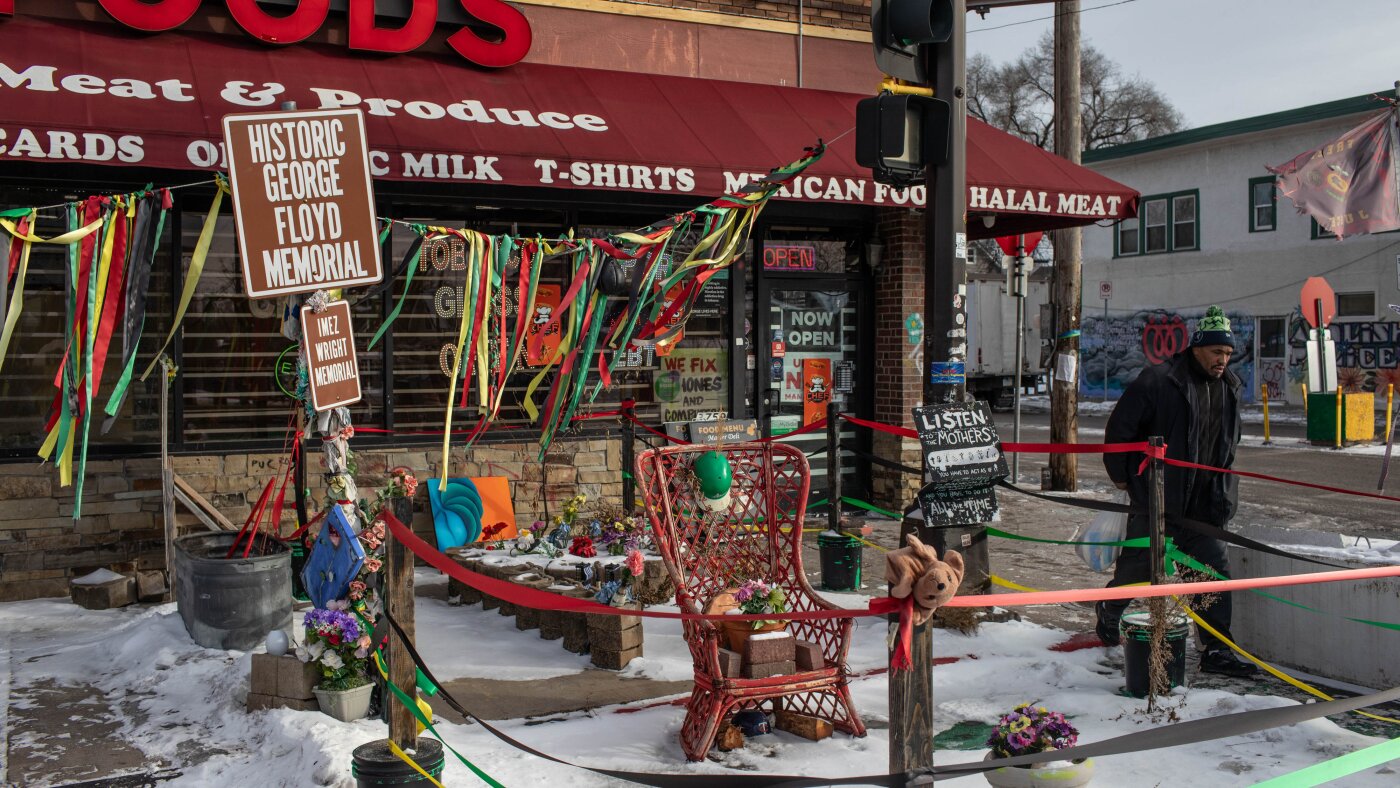
In South Minneapolis, a community already scarred by the 2020 murder of George Floyd is now grappling with heightened federal immigration enforcement. Following the recent fatal shooting of Renée Good by an ICE agent, residents are organizing to protect their immigrant neighbors, mirroring the community patrols that emerged during the Floyd protests. The atmosphere is described as stressful and frightening, with business owners taking extra precautions to secure their establishments.
The community’s response is evolving, with neighbors forming support networks, sharing information via encrypted chats, and providing essential resources to families afraid to leave their homes. Despite the fear, some residents report strengthened community bonds and a renewed commitment to mutual support.
Key Points:
- ICE activity has increased in South Minneapolis, particularly in areas with large immigrant populations.
- Renée Good was fatally shot by a federal agent in the same neighborhood where George Floyd was murdered.
- Local businesses are taking security measures to prevent ICE agents from entering.
- Residents are organizing patrols and using encrypted chats to monitor and respond to ICE activity.
- Neighbors are providing support to immigrant families who are afraid to leave their homes.
- The community is drawing on experiences from the 2020 George Floyd protests to inform their current resistance.
Critical Analysis:
The historical context reveals a clear pattern of escalating tensions in Minneapolis. The timeline shows:
- An ICE killing sparks immediate outrage.
- The Governor activates the National Guard, signaling the severity of the situation.
- Historical protest groups like AIM reappear, and;
- Commentary suggests a descent into “civil war.”
This suggests a rapid radicalization of public sentiment, exacerbated by previous trauma and distrust of law enforcement and the federal government. The fact that a killing by an ICE agent has prompted such a strong response, including the deployment of the National Guard, underscores the fragility of the situation.
Key Takeaways:
- The George Floyd killing has fundamentally altered the relationship between the Minneapolis community and law enforcement.
- Increased federal immigration enforcement is viewed as an external siege, uniting residents against a common threat.
- Community-led organizing, facilitated by technology, is a key feature of the response.
- The community is building on lessons learned from the 2020 protests, fostering a more supportive and organized resistance.
- The overlapping traumas of police brutality and immigration enforcement are creating a highly volatile environment.
Impact Analysis:
The events unfolding in Minneapolis have significant long-term implications:
- Erosion of Trust: Trust between the community, local law enforcement, and the federal government is likely irreparably damaged, which will impact future policy implementation.
- Model for Resistance: The community’s response—utilizing encrypted communication, direct aid, and community patrols—could serve as a model for other communities facing similar challenges.
- Political Polarization: The events will likely further fuel political polarization, contributing to national debates on immigration policy and police reform.
- Long-Term Trauma: The repeated trauma experienced by the community will likely have long-term mental health consequences and could lead to further social unrest.
- Policy Changes:The situation may force local and federal governments to re-evaluate law enforcement practices and immigration policies.
 First Piper