
Sun Jan 25 03:32:05 UTC 2026: # Siddi Badshah Community Thrives in Gujarat, Maintaining Cultural Heritage and Contributing to India
The Story:
The Siddi Badshah community, descendants of Africans brought to India centuries ago, are thriving in the villages of Jambur and Shirvan within Gujarat’s Sasan Gir region. The community’s history dates back approximately 300 years when they were brought by the Portuguese to work for the King of Junagadh. Known for their strength and endurance, they were named “Siddi Badshah,” meaning “kings of labour.” The community played a crucial role in assisting the King in tracking Asiatic lions and eventually settled in the Gir forest. Today, the Siddi Badshah community continues to maintain their unique cultural identity while contributing to Indian society through various professions, including service in the Indian Army and Navy, sports, and traditional crafts.
Key Points:
- The Siddi Badshah community resides primarily in Jambur and Shirvan, villages within the Sasan Gir region of Gujarat.
- Historical accounts suggest the Siddis were brought to India by the Portuguese to work for the King of Junagadh around 300 years ago.
- The community possesses unique physical traits and cultural practices, including the high-energy Dhamal dance, which traces its roots to East Africa.
- The Siddis have a strong connection with the Asiatic lions of the Gir forest, with claims of mutual respect and understanding.
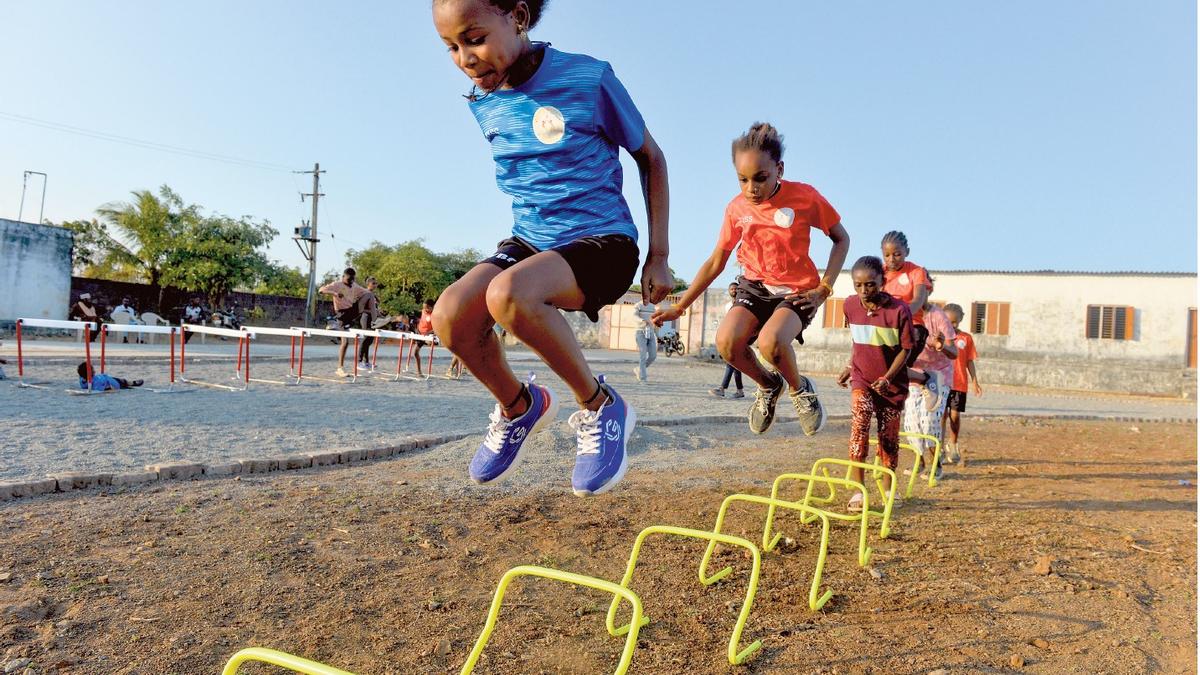
- Members of the community are engaged in various occupations, including labor, household management, service in the Indian armed forces, and sports, where they have achieved international success in judo.
Key Takeaways:
- The article highlights the resilience and adaptability of the Siddi Badshah community in maintaining their cultural identity while integrating into Indian society.
- The community’s unique relationship with the Asiatic lions underscores the importance of preserving traditional knowledge and coexistence with wildlife.
- The Siddi Badshah community’s success in sports, particularly judo, demonstrates the potential for marginalized communities to excel with proper training and resources.
- The lack of sports infastructure may impact community’s chances to broaden horizons into multiple sports.
- The community contributes to local economy by involving in making jaggery, embroidering saris.
 First Piper