
Sat Jan 24 13:59:51 UTC 2026: ### Headline: Afghanistan Grapples with Deadly Snow and Rainfall Amidst Ongoing Humanitarian Crisis
The Story:
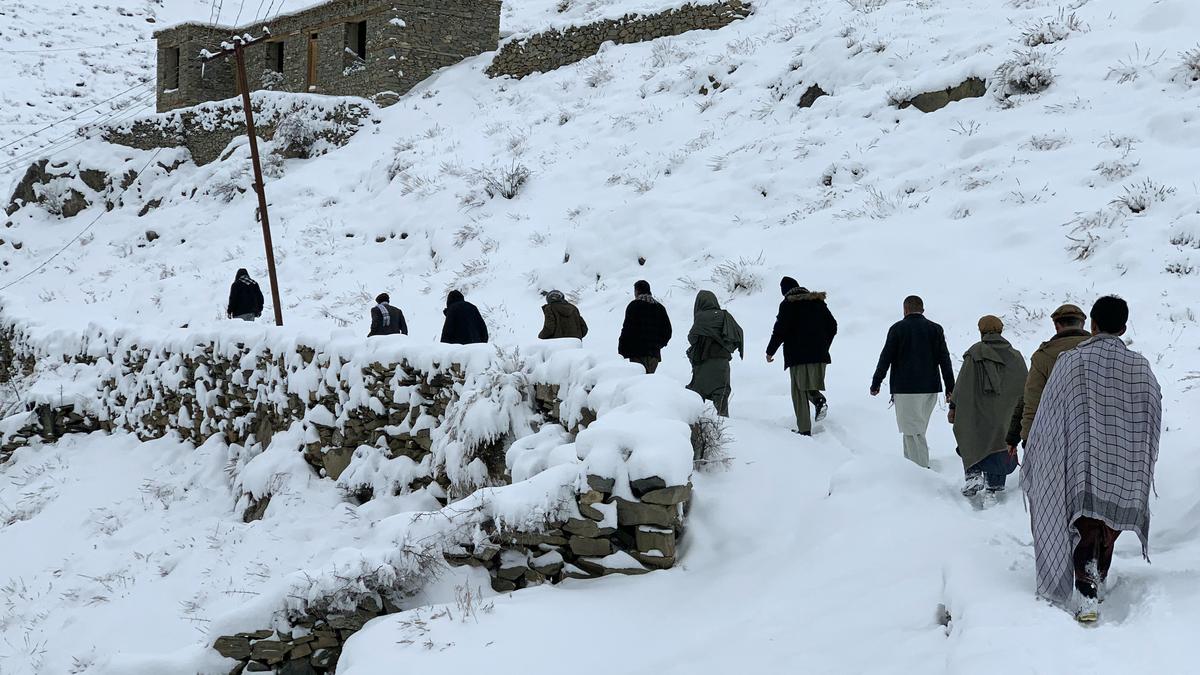
Heavy snow and rainfall have claimed the lives of over 60 people and injured more than 100 across Afghanistan in the past three days, according to the country’s disaster management authority. The severe weather has also destroyed or partially damaged 458 homes and resulted in the deaths of hundreds of animals across 15 of Afghanistan’s 34 provinces. The disaster compounds existing vulnerabilities including a struggling economy, poor infrastructure, deforestation, the impacts of climate change, and the lingering effects of devastating earthquakes from 2025.
The United Nations warned earlier this month that Afghanistan remains one of the world’s largest humanitarian crises in 2026, launching a \$1.7 billion appeal to assist nearly 18 million people in urgent need. The recent extreme weather further exacerbates the situation, particularly for those displaced by previous disasters and children at severe risk of life-threatening diseases related to the cold.
Key Points:
- Over 60 people have died and more than 100 injured due to heavy snow and rainfall.
- 458 homes have been completely or partially destroyed.
- The disaster has affected 15 of Afghanistan’s 34 provinces.
- Afghanistan is highly vulnerable to extreme weather events due to conflict, poor infrastructure, climate change, and deforestation.
- The country is still recovering from earthquakes in 2025 that killed over 2,200 people.
- The UN has launched a \$1.7 billion appeal to assist nearly 18 million Afghans in need.
Key Takeaways:
- Afghanistan faces a complex humanitarian crisis compounded by natural disasters and pre-existing vulnerabilities.
- Extreme weather events are having a devastating impact on vulnerable populations already struggling with poverty, displacement, and conflict.
- International aid is crucial to mitigating the effects of these disasters and supporting the Afghan people.
- The combination of natural disasters and underlying vulnerabilities highlights the urgent need for investment in infrastructure, disaster preparedness, and climate change adaptation in Afghanistan.
Impact Analysis:
The ongoing humanitarian crisis and the recent natural disasters will likely have significant and long-term implications for Afghanistan. These include:
- Increased Displacement: Destruction of homes and livelihoods will lead to further displacement, straining resources and exacerbating existing humanitarian needs.
- Food Insecurity: Loss of livestock and damage to agricultural land will likely worsen food insecurity, particularly in already vulnerable regions.
- Health Crisis: The combination of extreme weather, displacement, and limited access to healthcare could lead to outbreaks of disease and increased mortality, especially among children.
- Economic Instability: The disasters will further strain Afghanistan’s struggling economy, potentially leading to increased poverty and social unrest.
- Long-Term Recovery Challenges: Rebuilding infrastructure and supporting affected communities will require significant and sustained investment, posing a major challenge to the Afghan government and international partners.
 First Piper