
Sun Jan 25 10:47:40 UTC 2026: Headline: India Honors “Unsung Heroes” with Padma Shri Awards in 2026
The Story: On January 25, 2026, the Indian government announced the recipients of the Padma Shri awards, recognizing 45 individuals from across the country for their extraordinary contributions to society. This year’s awards particularly emphasize recognizing “unsung heroes,” ordinary citizens making significant impacts in diverse fields, often overcoming personal hardships. The recipients include individuals dedicated to preserving indigenous heritage, promoting national integration, safeguarding ecological wealth, and championing sanitation, among other causes.
Key Points:
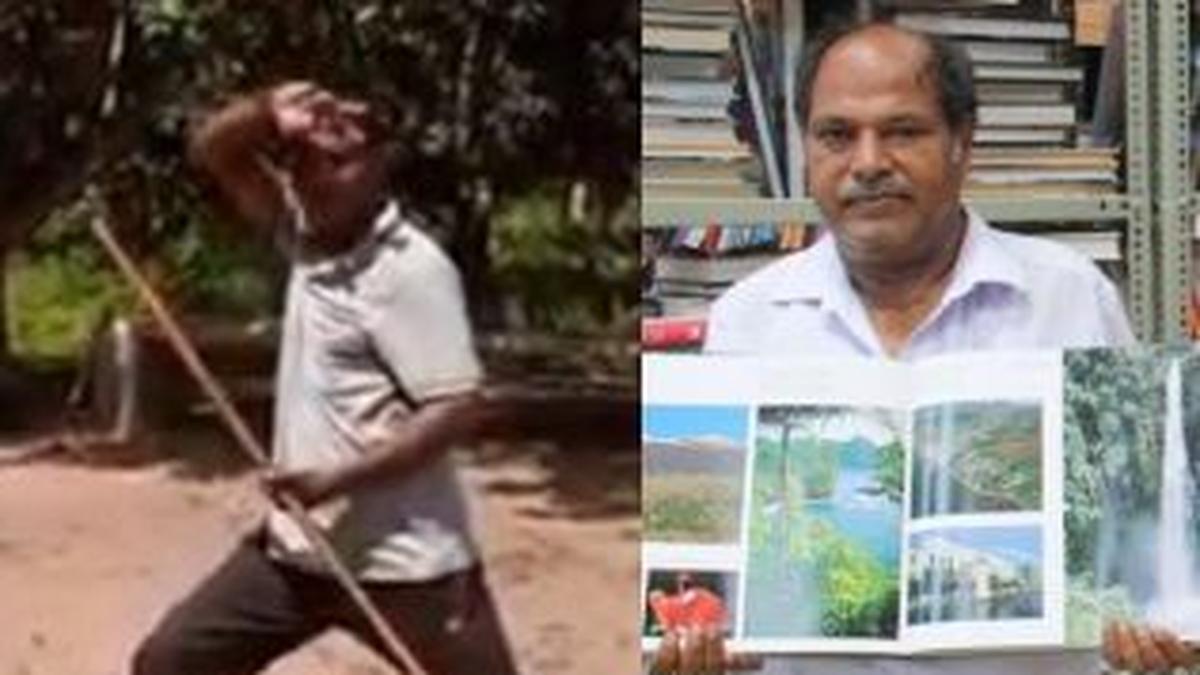
- Anke Gowda, a former bus conductor, awarded for establishing ‘Pustak Mane,’ the world’s largest free-access library with over two million books.
- Armida Fernandes, a Mumbai-based pediatrician, recognized for establishing Asia’s first human milk bank.
- Bhagwandas Raikwar, a Bundeli war art trainer from Madhya Pradesh, honored for preserving this art form.
- Bhiklya Ladakya Dhinda, a 90-year-old tribal Tarpa player from Maharashtra, awarded for his musical contributions.
- K. Pajanivel from Puducherry, awarded for nurturing Silambam, an ancient Tamil martial art.
- The awards recognize individuals from marginalized communities, remote terrains, and those serving the disabled, women, children, Dalits, and tribals.
Key Takeaways:
- The Padma Shri awards in 2026 demonstrate India’s commitment to recognizing grassroots contributions and celebrating ordinary citizens who have made significant impacts on society.
- The awards highlight the diversity of India’s cultural heritage and the importance of preserving traditional arts, languages, and practices.
- The focus on “unsung heroes” underscores the value of selfless service and dedication to improving the lives of others, particularly within marginalized communities.
Impact Analysis:
The recognition of these “unsung heroes” has several important long-term implications:
- Inspiration and Role Models: The stories of these awardees serve as inspiration for others to engage in community service and contribute to national development.
- Preservation of Culture: By recognizing individuals dedicated to preserving indigenous arts and practices, the government is helping to ensure the survival of India’s rich cultural heritage.
- Social Inclusion: The focus on marginalized communities promotes social inclusion and acknowledges the contributions of those who have often been overlooked.
- Policy Influence: This consistent recognition could influence future government policy toward supporting grassroots initiatives and empowering local communities.
 First Piper