
Sun Jan 25 05:05:22 UTC 2026: ### Headline: Albanese Condemns Trump’s Afghanistan Remarks as “Unacceptable,” Appoints New U.S. Ambassador
The Story:
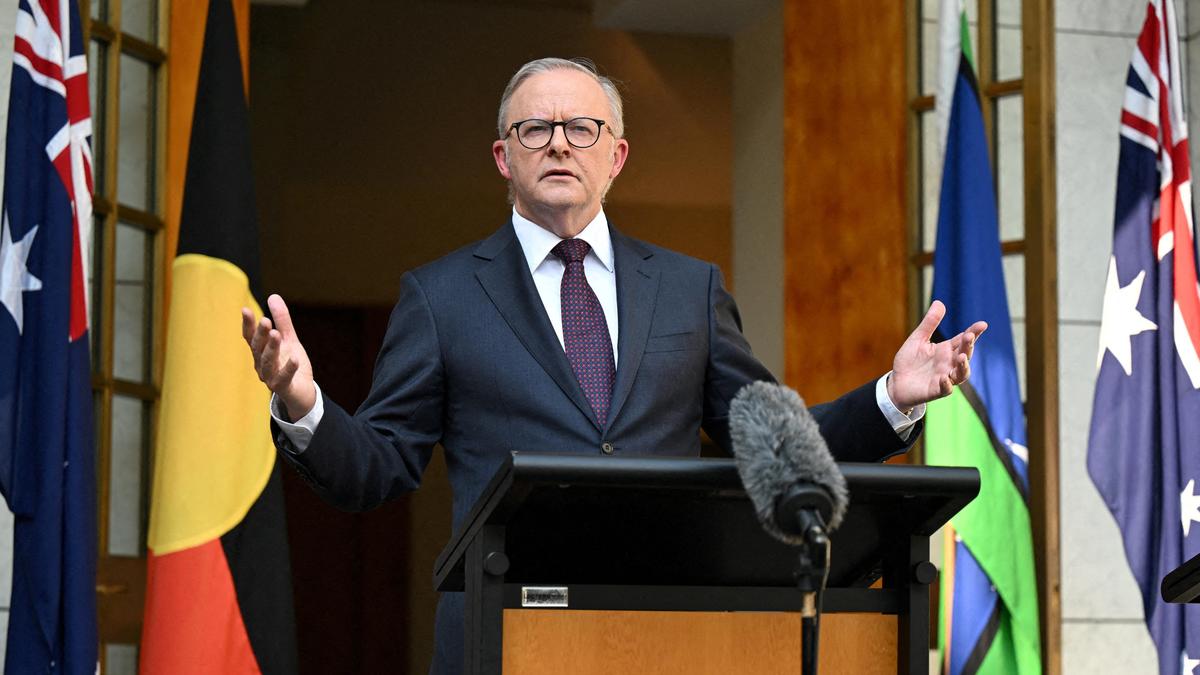
Australian Prime Minister Anthony Albanese has publicly criticized comments made by U.S. President Donald Trump regarding the contributions of non-U.S. troops in Afghanistan. Trump, in a Fox News interview, downplayed the role of NATO forces, a statement that drew immediate condemnation from both the U.K. and Australia. Albanese stated that Trump’s initial remarks were “completely unacceptable” and would cause pain to the families of Australian soldiers who served and died in Afghanistan. While Trump later clarified his position, particularly concerning British troops, Albanese maintained his disapproval of the initial statements. The announcement coincided with the appointment of Greg Moriarty as the new Australian Ambassador to the United States, succeeding Kevin Rudd, whose tenure was reportedly strained due to Trump’s personal dislike.
Key Points:
- January 25, 2026: Australian Prime Minister Anthony Albanese criticizes Donald Trump’s comments on non-US troops in Afghanistan.
- Trump initially stated that NATO troops “stayed a little back” in Afghanistan, sparking outrage.
- Albanese emphasizes the bravery and sacrifices of the 40,000 Australians who served in Afghanistan, noting that 47 families of fallen soldiers would be hurt by Trump’s remarks.
- Trump partially walked back his comments, praising British troops on his Truth Social platform.
- Greg Moriarty is appointed as the new Australian Ambassador to the United States, succeeding Kevin Rudd.
- Kevin Rudd’s departure was influenced by Trump’s open disdain for him during his tenure.
Critical Analysis:
The situation highlights the continued volatility and potential for diplomatic friction inherent in Donald Trump’s communication style. Despite attempts at damage control, the initial comments reveal a tendency to disregard or undervalue the contributions of allied forces, a pattern seen during his previous presidency. The appointment of a new ambassador amid this controversy suggests an attempt by the Australian government to stabilize relations and navigate the complexities of dealing with a potentially unpredictable U.S. administration.
Key Takeaways:
- Trump’s rhetoric remains a potential source of diplomatic tension, even with long-standing allies.
- Australia is actively managing its relationship with the U.S. through strategic diplomatic appointments.
- Public apologies and clarifications from Trump do not necessarily erase the initial impact of his remarks.
- The incident underscores the importance of recognizing and respecting the sacrifices made by all allied forces in international conflicts.
- The incident demonstrates the challenges of maintaining strong diplomatic ties when leaders have differing communication styles and values.
Impact Analysis:
The immediate impact of this event is likely a strain on U.S.-Australian relations. However, the appointment of a new ambassador signals a forward-looking approach aimed at mitigating long-term damage. The incident serves as a reminder to other U.S. allies of the potential for similar controversies and the need for proactive diplomatic strategies to navigate such challenges. Future impacts may include a reevaluation of alliance dynamics and a greater emphasis on clear communication and mutual respect in international partnerships. The situation may also lead to a more cautious approach from allied nations when engaging with the U.S. under a Trump administration.
 First Piper