
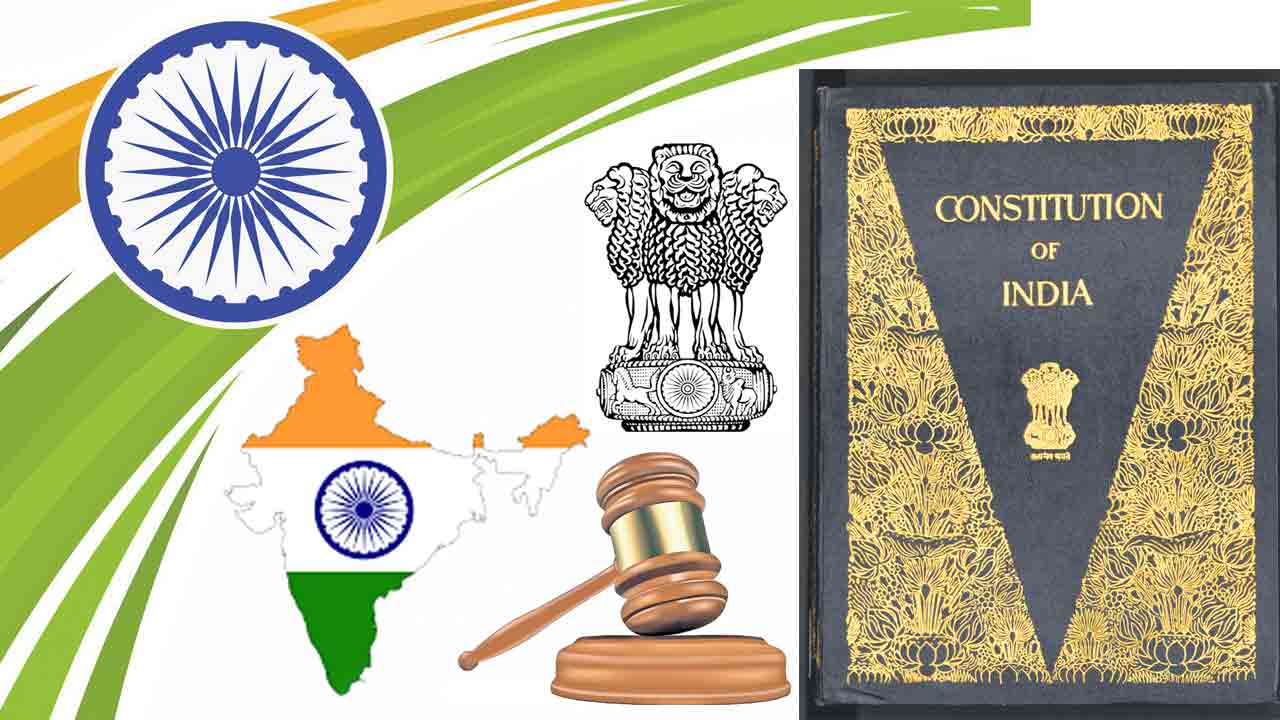
Sun Jan 25 13:00:00 UTC 2026: # India Celebrates 76th Republic Day, Reflecting on the Constitution’s Enduring Legacy
The Story:
India commemorates its 76th Republic Day on January 26th, marking the anniversary of the Indian Constitution coming into effect in 1950. The article highlights the significance of the Constitution as the fundamental law of the land, protecting the rights and welfare of its citizens. It emphasizes the historical context of its creation, acknowledging the contributions of key figures and the meticulous process undertaken by the Constituent Assembly.
Key Points:
- The Indian Constitution came into effect on January 26, 1950.
- The Constituent Assembly, formed in 1946, played a crucial role in drafting the Constitution. Dr. Babu Rajendra Prasad served as its President.
- Dr. B.R. Ambedkar chaired the Drafting Committee.
- Benegal Narsing Rao was the constitutional advisor.
- The Constitution was finalized on November 26, 1949, after 2 years, 11 months, and 18 days of deliberation.
- Initially, the Constitution comprised 395 articles, 8 schedules, and 22 parts; it now consists of over 450 articles, 12 schedules, and 25 parts.
- India follows a single citizenship model, unlike federal countries with dual citizenship.
- The Constitution grants every Indian the right to vote, irrespective of caste, gender, religion, or status. The voting age was reduced from 21 to 18 in 1989 through the 61st Constitutional Amendment.
- The Constitution guarantees fundamental rights, including the right to equality, freedom, protection against exploitation, freedom of religion, cultural and educational rights, and the right to constitutional remedies.
Key Takeaways:
- The Indian Constitution is a comprehensive document that reflects the nation’s commitment to democracy and social justice.
- The Republic Day celebration is a reminder of the values enshrined in the Constitution and the sacrifices made to uphold them.
- The evolution of the Constitution, through amendments, demonstrates its adaptability to changing societal needs and aspirations.
 First Piper