
Sat Jan 24 15:31:54 UTC 2026: # Tensions Escalate in Northern Syria as Ceasefire Deadline Approaches
The Story:
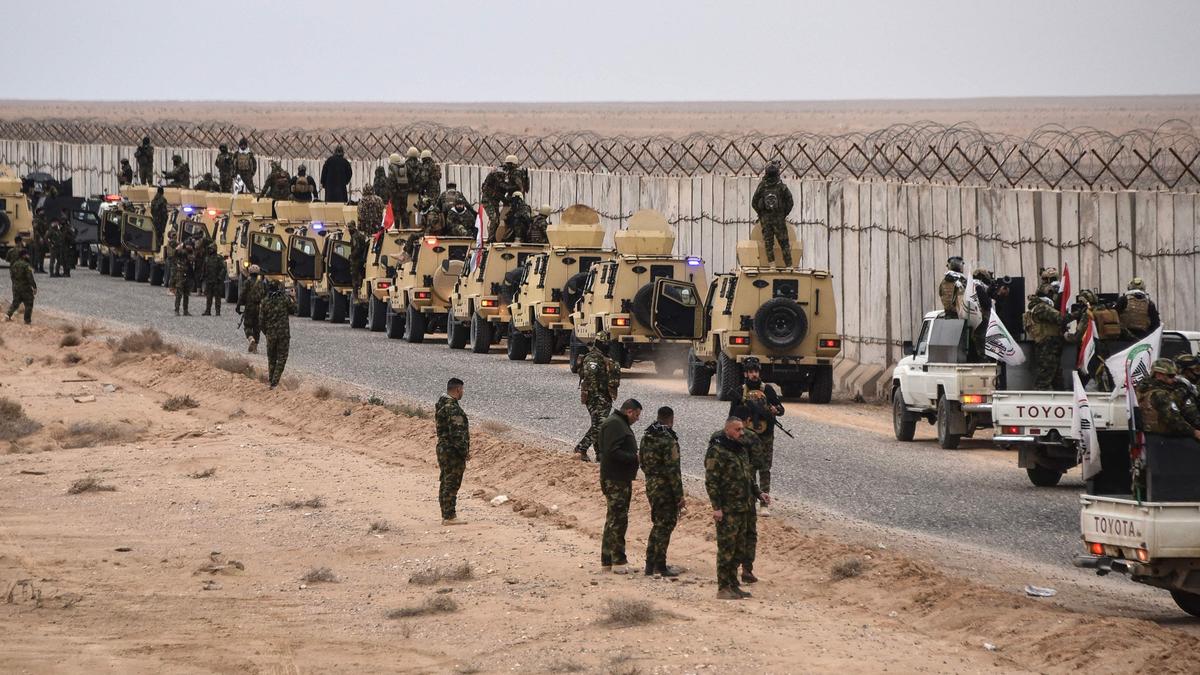
As a ceasefire deadline approached on January 24, 2026, Syrian troops and Kurdish forces remained massed on opposing sides of front lines in northern Syria, raising the specter of renewed fighting. The Syrian government, led by President Ahmed al-Sharaa, has demanded that the Kurdish-led Syrian Democratic Forces (SDF) integrate with the Syrian army. The SDF, which has controlled autonomous institutions in the region for a decade, has resisted. Neighboring Turkey, a key backer of the Syrian government, suggested the deadline might be extended.
The recent escalation follows a Syrian government offensive this month, where they seized key territories from the SDF, including oil fields and hydroelectric dams. The U.S. is engaged in shuttle diplomacy to broker a lasting ceasefire, while also facilitating the SDF’s integration into the Syrian state. Concerns are mounting over potential abuses against Kurdish civilians should fighting resume, particularly given the Syrian government’s track record of sectarian violence.
Key Points:
- Syrian troops and Kurdish forces are positioned for potential renewed conflict.
- The Syrian government has set a deadline of January 24, 2026, for the SDF to integrate into the Syrian army.
- Turkey suggests the deadline could be extended.
- The U.S. is attempting to mediate a lasting ceasefire.
- Concerns exist regarding potential abuses against Kurdish civilians.
- The U.S. is transferring Islamic State fighters from Syrian prisons to Iraq.
Key Takeaways:
- The situation in northern Syria remains highly volatile, with the potential for renewed fighting between Syrian government forces and the SDF.
- The U.S. is playing a key role in trying to de-escalate the conflict and find a political solution.
- Turkey’s involvement and stance on the SDF are significant factors in the ongoing crisis.
- The fate of Kurdish civilians hangs in the balance.
- The transfer of ISIS fighters to Iraq raises concerns about regional stability.
Impact Analysis:
The events unfolding in Northern Syria carry significant long-term implications:
- Regional Stability: Renewed fighting could destabilize the region, potentially drawing in other actors and exacerbating existing conflicts.
- Kurdish Autonomy: The future of Kurdish autonomy in Syria is at stake. Integration with the Syrian army could mean the loss of self-governance.
- US Influence: The outcome of the US-led diplomatic efforts will significantly impact US influence in the region. A successful resolution would solidify the US’s role as a mediator, while failure would diminish its standing.
- Counter-Terrorism Efforts: The transfer of ISIS fighters to Iraq could strain Iraq’s resources and potentially lead to a resurgence of the terrorist group.
- Humanitarian Crisis: Renewed fighting could lead to a humanitarian crisis, displacing civilians and causing widespread suffering.
 First Piper