
Fri Jan 23 22:43:33 UTC 2026: # Global Election Bodies Unite to Strengthen Democratic Processes
The Story:
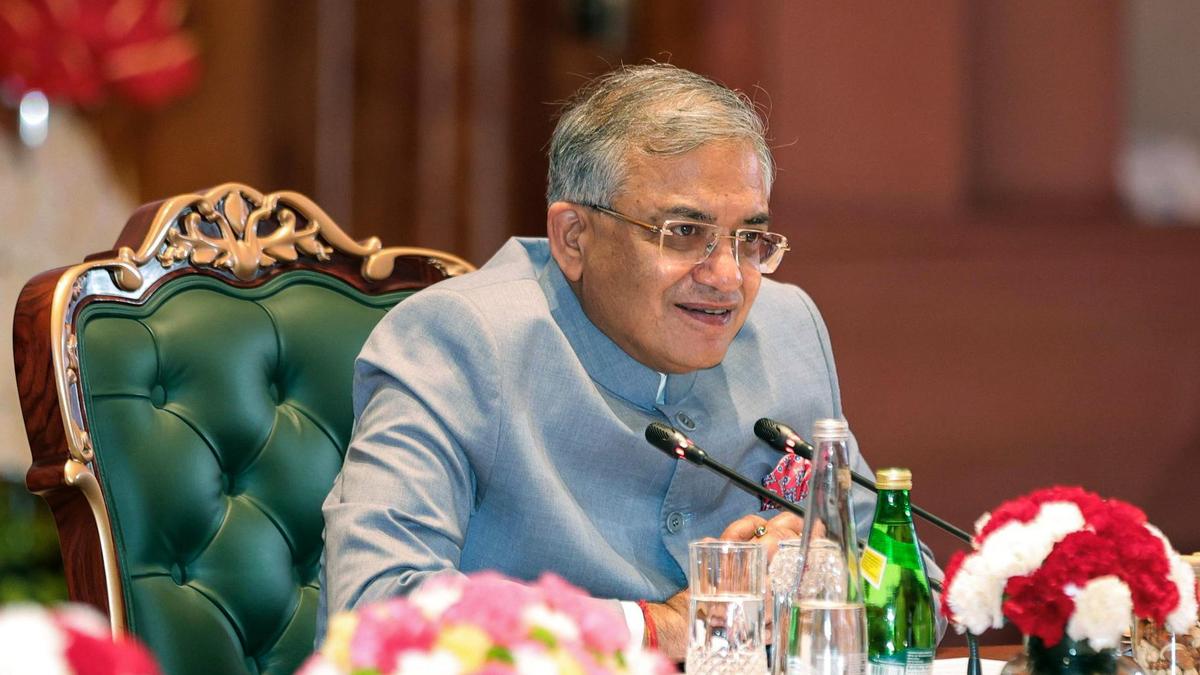
Election Management Bodies (EMBs) from 42 countries convened in New Delhi, India, on January 23, 2026, and pledged to collaborate on enhancing electoral integrity. The “Delhi Declaration,” adopted at the conclusion of the three-day International Conference on Democracy and Election Management (IICDEM) 2026, outlines a commitment to joint efforts addressing key issues such as maintaining the purity of electoral rolls, ensuring fair election conduct, and leveraging technology to improve electoral processes. The group plans to meet again from December 3-5, 2026, at the India International Institute of Democracy and Election Management (IIIDEM) in New Delhi.
The declaration also entails plans for collaborative research and publications, developing digital platforms, and the creation of an “Encyclopaedia of Democracies of the World.” India has assumed the Chairship of the Council of Member States of the International Institute for Democracy and Electoral Assistance (International IDEA) for the year 2026, focusing on “Democracy for an inclusive, peaceful, resilient and sustainable world.”
Key Points:
- EMBs from 42 countries signed the Delhi Declaration on January 23, 2026.
- The declaration focuses on five key issues: purity of electoral rolls, conduct of elections, use of technology, research/publications, and training/capacity building.
- The group will meet again from December 3-5, 2026, in New Delhi.
- India has assumed Chairship of International IDEA for 2026.
- The initiative involves developing a co-curated “Encyclopaedia of Democracies of the World” and digital platforms.
Critical Analysis:
The historical context provides limited direct insight into the unfolding of this event. The only relevant piece of information is the headline “Ballot papers, not EVMs: A major shift in Bengaluru’s civic polls?”. This suggests a domestic debate within India regarding the use of Electronic Voting Machines (EVMs). This might be a contributing factor to the emphasis on “purity of electoral rolls” and “conduct of elections” within the Delhi Declaration, as India, the host country, is potentially facing scrutiny regarding its own electoral practices. The push for digital platforms could be a way to regain trust, but also risks exacerbating distrust.
Key Takeaways:
- Global EMBs are prioritizing collaboration on electoral integrity and best practices.
- Technology plays a central role in the future of election management, with both opportunities and challenges.
- India is taking a leading role in promoting international dialogue and cooperation on democracy and election management.
- The initiative indicates a heightened awareness and concern regarding the vulnerability of electoral processes worldwide.
Impact Analysis:
This international collaboration could lead to greater standardization and transparency in electoral processes globally. The creation of shared resources, such as the “Encyclopaedia of Democracies of the World” and digital platforms, could provide valuable tools for election officials, researchers, and citizens. Furthermore, India’s leadership role in International IDEA could strengthen its position as a key player in promoting democratic values and governance on the global stage. The long-term impact will depend on the actual implementation of the Delhi Declaration and the effectiveness of the collaborative efforts in addressing the challenges facing electoral systems worldwide. The shift towards digital platforms and resources could also risk further division, as misinformation spreads more easily.
 First Piper