
Sat Jan 24 07:42:31 UTC 2026: # Andhra Pradesh Governor’s Role Under Scrutiny Amidst Center-State Tensions
The Story:
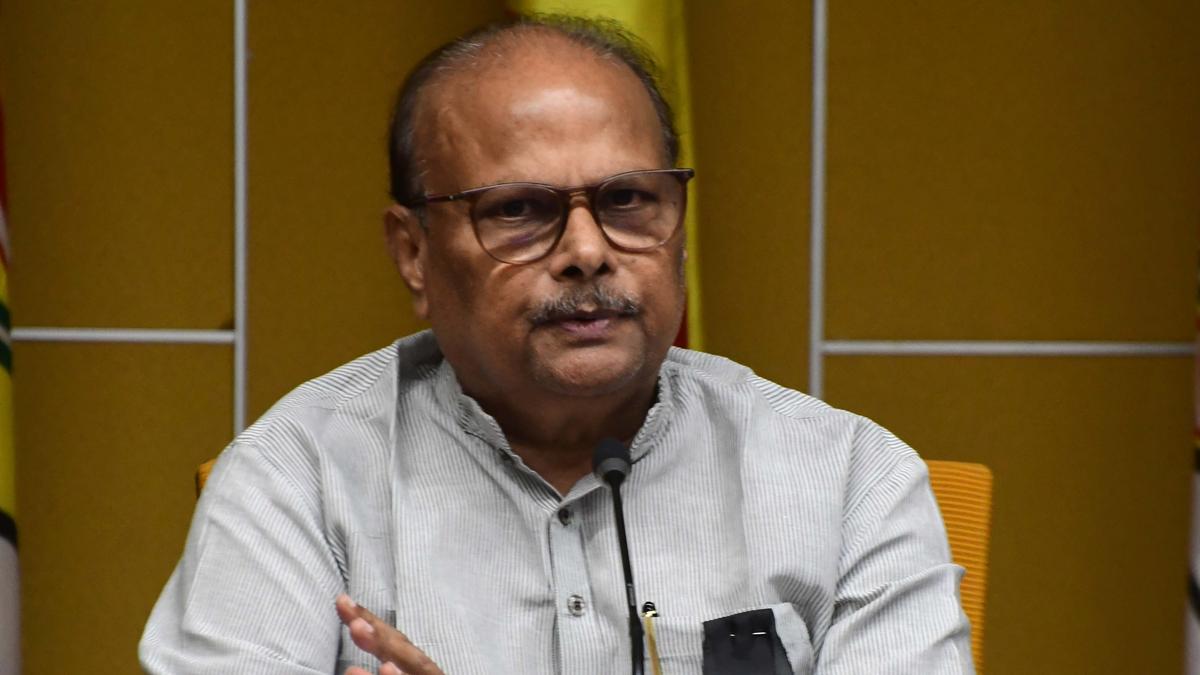
Former Speaker of the Andhra Pradesh Legislative Assembly, Yanamala Ramakrishnudu, has publicly criticized the perceived bias of Governors towards the Central Government, particularly in states not aligned with the ruling party at the center. In a press release on January 24, 2026, he stated that this practice is unwarranted and undermines the principles of federalism enshrined in the Constitution. He emphasized the Governor’s constitutional obligation to act on the aid and advice of the state government, except in matters where the Governor can act independently.
Key Points:
- Yanamala Ramakrishnudu asserts that Governors, appointed by the Central Government, often act in accordance with the Center’s wishes, potentially against the interests of the elected state governments.
- He points out that the Constitution does not permit this “undemocratic practice,” which varies from state to state.
- He emphasizes that a Governor’s address to the State Legislature should be drafted by the State Government, and the Governor should generally adhere to its content.
- Ramakrishnudu notes that Governors sometimes skip portions of their address provided by the State, deeming them contrary to the Central Government’s interests, which leads to increasing friction.
- Skipped pages of the address are still deemed to have been read and taken on record.
Critical Analysis:
The historical context suggests a broader trend of political interference across various sectors, from religion and sports to arts. Ramakrishnudu’s statement specifically highlights a central government influencing state-level governance, potentially undermining federalism.
Key Takeaways:
- The relationship between Governors and state governments is becoming increasingly contentious, fueled by perceived Central Government influence.
- The controversy touches upon fundamental issues of federalism and the balance of power between the Center and the States in India.
- The practice of Governors skipping portions of their addresses indicates a breakdown in trust and cooperation between state and central authorities.
- Ramakrishnudu’s remarks are likely to escalate the debate on the role and responsibilities of Governors in India.
- This situation could lead to further calls for constitutional reform or a re-evaluation of the Governor’s appointment process.
Impact Analysis:
The controversy surrounding the Governor’s role has long-term implications for Indian federalism. If the perception of bias persists, it could lead to increased calls for greater state autonomy and potentially fuel separatist movements. The debate over the Governor’s powers and responsibilities is likely to continue, potentially leading to constitutional amendments or judicial interventions to clarify the boundaries of their authority. Furthermore, strained relations between the Center and States could hinder policy implementation and economic development, particularly in states governed by parties opposed to the ruling party at the Center. This can lead to political instability and hinder India’s progress as a nation.
 First Piper