
Fri Jan 23 23:16:00 UTC 2026: # Kerala Tragedy: Public Shaming on Social Media Linked to Suicide Sparks National Debate
The Story:
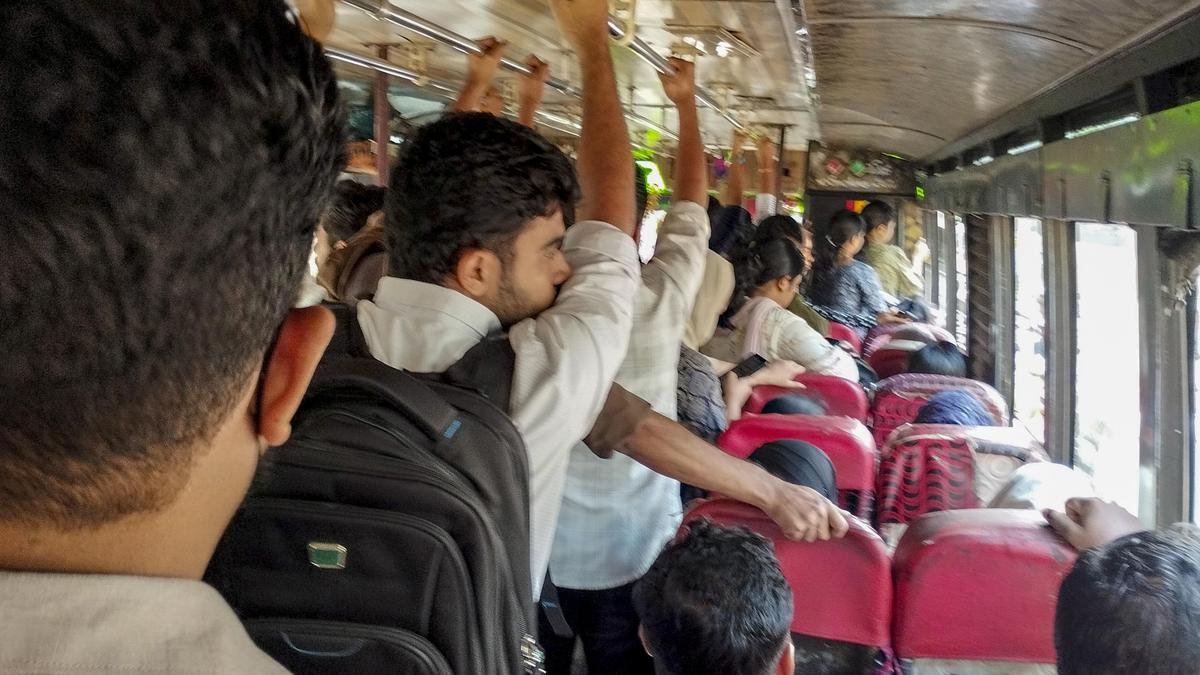
U. Deepak, a 42-year-old sales executive from Kerala, was found dead in his home on January 18, 2026, a day after being accused of sexual harassment in a social media video posted by Shimjitha Musthafa, a 35-year-old self-described “trained psychologist.” Musthafa alleged that Deepak deliberately elbowed her breast on a crowded bus. The video went viral, sparking widespread outrage and commentary. Following Deepak’s death, his family filed a complaint against Musthafa, leading to her arrest on charges of abetment to suicide. The case has ignited a national debate regarding the ethics of public shaming on social media, the potential for false allegations, and the mental health consequences of online accusations.
Key Points:
- January 17, 2026: U. Deepak allegedly harassed Shimjitha Musthafa on a bus in Kerala.
- Musthafa posted a video on social media accusing Deepak of sexual harassment. The video quickly gained over 2 million views.
- Deepak was informed about the video by a friend and expressed distress and fear of public humiliation.
- January 18, 2026: Deepak was found dead in his home. His death is suspected to be a suicide.
- Deepak’s family filed a complaint against Musthafa.
- Musthafa was arrested and remanded to judicial custody on charges of abetment to suicide under Section 109 of the Bharatiya Nyaya Sanhita, 2023.
- Police investigation, including CCTV footage and statements from bus staff, reportedly showed no evidence of harassment.
- The case has sparked a national debate on social media justice, false allegations, and women’s safety in public spaces.
- Men’s rights activists have declared January 17 as ‘Men’s Rights Day’ and started a helpline for men facing mental harassment.
- Cyber crime investigators highlight legal gray zones related to filming and posting videos of individuals without consent in public spaces.
Key Takeaways:
- The case highlights the dangers of public shaming and the potential for social media to act as judge and jury before due process.
- The events have amplified the existing tensions between women’s safety concerns and the potential for false accusations, leading to a divided public opinion.
- The incident underscores the critical need for clear legal guidelines and greater awareness regarding the use of social media in addressing allegations of harassment.
- The tragedy emphasizes the importance of mental health support for individuals facing public accusations and online harassment.
- The case reflects a broader societal struggle to balance accountability and justice in the digital age.
Impact Analysis:
The U. Deepak case is likely to have several long-term impacts:
- Legal Scrutiny of Social Media Vigilantism: The case will likely prompt a re-evaluation of laws related to online defamation, harassment, and the use of social media to report crimes. It could lead to stricter regulations on the sharing of unverified accusations and the potential liability of individuals who contribute to online shaming campaigns.
- Increased Awareness of Mental Health Consequences: The tragic suicide is likely to raise awareness about the mental health impact of online harassment and public shaming. This could lead to increased demand for mental health resources and services, particularly for those facing online accusations or reputational damage.
- Polarization of Gender Rights Discourse: The case has already deepened the divisions between women’s rights activists and men’s rights advocates. This polarization could intensify as both sides use the case to support their respective agendas, making it more difficult to find common ground on issues of gender equality and justice.
- Shift in Public Perception of Social Media Justice: The controversy surrounding Musthafa’s video and the subsequent backlash may lead to a more critical and cautious public perception of social media justice. People may become more skeptical of online accusations and more likely to demand evidence and due process before forming judgments.
- Empowerment and Increased Vigilance: The Savad Sha case might further empower women to record and upload videos to defend themselves from potential harassment. It could also lead to increased vigilance of both men and women in public spaces, leading to a decrease in public harassment in the long term.
 First Piper