
Sat Jan 24 13:48:16 UTC 2026: ### Railway Project Disrupts Irrigation, Threatening Agriculture in Kanniyakumari
The Story:
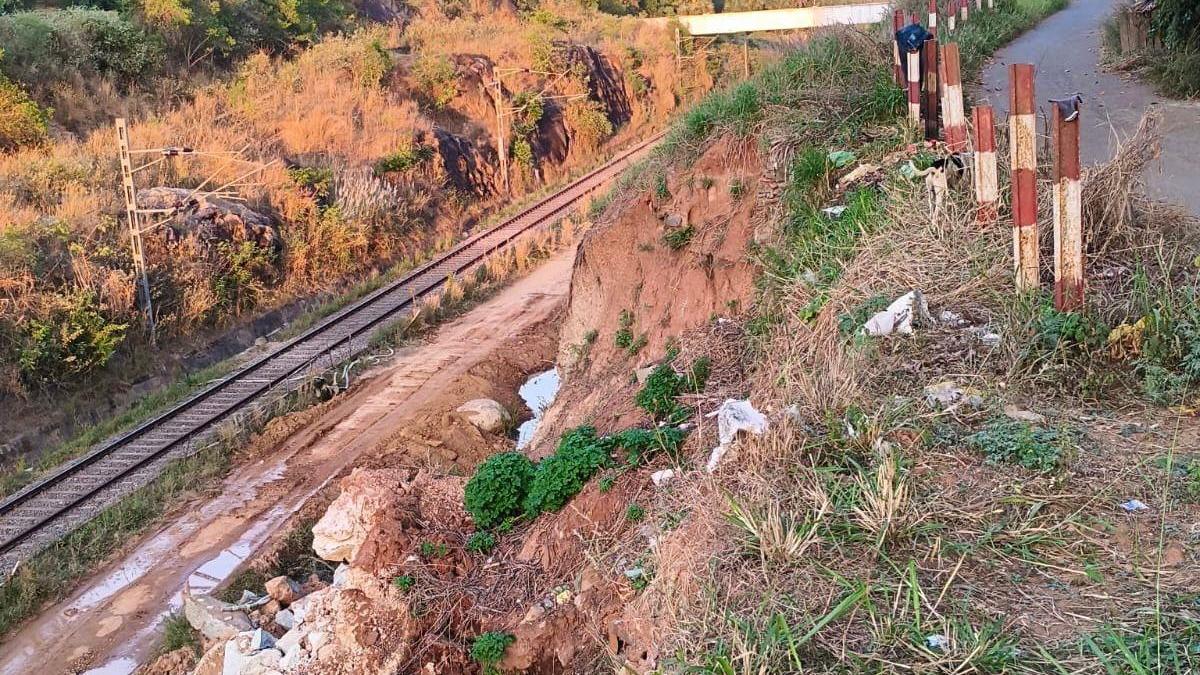
Farmers in the Kanniyakumari district are expressing growing concerns over the disruption of irrigation canals due to the ongoing track doubling work between Nagercoil and Thiruvananthapuram railway stations. The project, initially welcomed for its potential to increase train services, has led to the partial filling of ponds, closure of canals, and inadequate culvert construction, hindering water flow to agricultural lands. Farmers are calling for immediate action from railway authorities to restore the affected channels, as the disruptions have reportedly impacted hectares of farmland, potentially leading to an ecological disaster.
Key Points:
- Track doubling work between Nagercoil and Thiruvananthapuram is disrupting irrigation canals.
- Farmers allege ponds are being filled, canals are being closed, and culverts are inadequate.
- The Kandanvilai branch canal has been severed for about 200 meters.
- Around 10 ponds across several panchayats, including Nullivilai and Sadayamangalam, are not receiving water, impacting agriculture and drinking water supply.
- Southern Railway acknowledges displacement of canals and has proposed land acquisition through the Collectorate for restoration.
- Joint inspection with the Water Resource Department has been conducted, and canals and water bodies within railway limits will be restored along with the doubling work.
Critical Analysis:
The disruption of irrigation canals due to infrastructure projects, and subsequent delays in compensation, echos a broader pattern across India. As seen with the delay in farmer compensation for the Walwandwadi lake project ([Sat Jan 24 13:21:45 UTC 2026]), this highlights a recurring issue of prioritizing infrastructure development at the expense of agricultural needs and environmental concerns.
Key Takeaways:
- Infrastructure projects, while intended for progress, can have significant unintended consequences on local agriculture and water resources.
- Effective planning and collaboration between railway authorities and local water management agencies are crucial to minimize disruptions.
- The prompt restoration of irrigation systems and adequate compensation for affected farmers are essential to mitigate the negative impacts.
- Land acquisition processes for restoring canals can be slow and complicated, potentially prolonging the disruption.
- The situation underscores the need for a more holistic approach to infrastructure development, considering environmental sustainability and the livelihoods of local communities.
Impact Analysis:
The long-term impact of this situation could include decreased agricultural productivity in the Kanniyakumari district, potentially leading to economic hardship for farmers and food security concerns. The ecological damage caused by disrupted water flow could also have far-reaching consequences. The effectiveness of the proposed land acquisition and restoration efforts by Southern Railway will be critical in determining the ultimate impact and preventing similar issues in future infrastructure projects. The situation could serve as a case study for improved planning and mitigation strategies in other regions undergoing similar development.
 First Piper