
Sat Jan 24 07:48:14 UTC 2026: Headline: Lula Accuses Trump of Creating a “New U.N.” with “Board of Peace”
The Story:
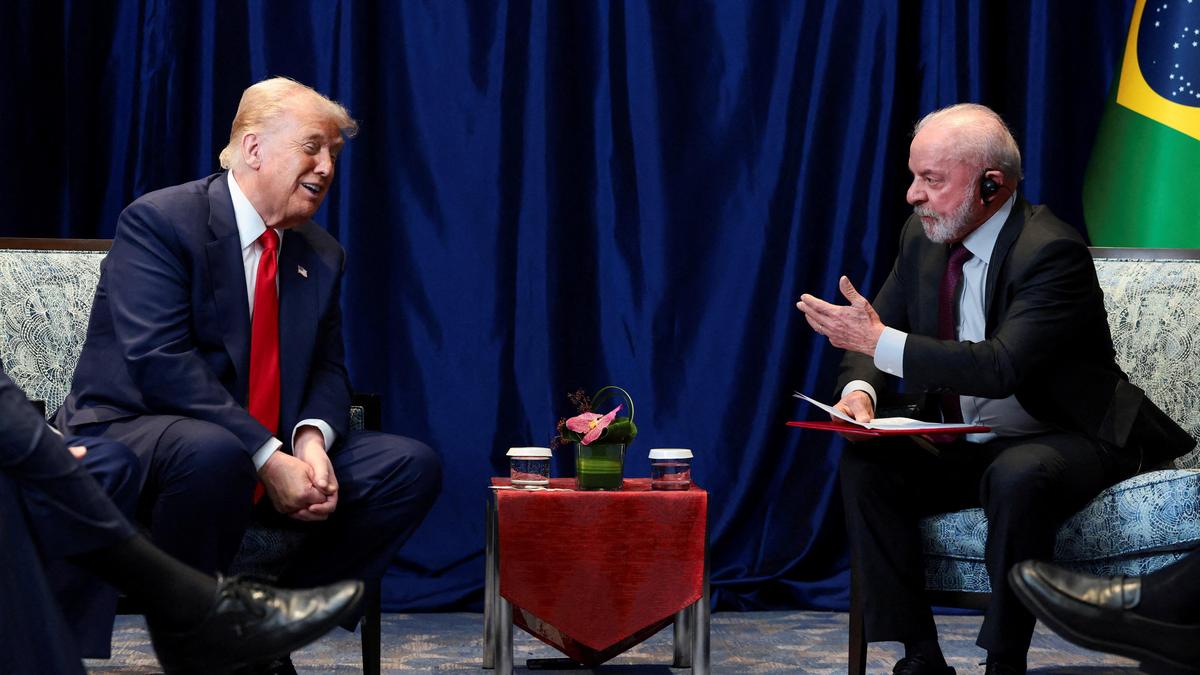
Brazilian President Luiz Inacio Lula da Silva publicly criticized Donald Trump on January 23, 2026, for his proposal to create a “Board of Peace,” characterizing it as an attempt to establish a parallel United Nations structure under Trump’s control. Lula’s remarks came a day after a phone call with Chinese leader Xi Jinping, where both leaders reaffirmed their commitment to the existing U.N. and its central role in international affairs. Several key U.S. allies, including France and Britain, have also voiced reservations about the “Board of Peace,” citing concerns about its compatibility with existing international commitments and the inclusion of Russian President Vladimir Putin.
Key Points:
* President Lula accused President Trump of attempting to create a “new U.N.” with his “Board of Peace.”
* The “Board of Peace” was unveiled at the World Economic Forum in Davos, with leaders from 19 countries signing its founding charter.
* Membership in the “Board of Peace” costs $1 billion for a permanent seat, and Trump is the chairman.
* Lula defended multilateralism through the United Nations against “the law of the jungle” in global affairs.
* China’s President Xi Jinping urged Lula to safeguard the “central role” of the United Nations.
* France and Britain have expressed doubts, with France deeming the charter “incompatible” with its U.N. commitments.
* The “Board of Peace” was initially intended to oversee Gaza’s rebuilding but appears to have a broader mandate.
Critical Analysis:
The events suggest a growing rift between the U.S. under President Trump and traditional allies. Trump’s announcement of a “Board of Peace” seems to be part of a larger pattern of undermining established international institutions in favor of those where the US has direct control. The historical context reveals a Trump administration increasingly focused on individual state security and a disinclination to work within established multilateral frameworks. This is further corroborated by previous issues raised such as the handling of NATO troops in Afghanistan.
Key Takeaways:
* President Trump’s unilateral approach to international conflict resolution is causing friction with key allies.
* The “Board of Peace” is perceived by some as a challenge to the authority and legitimacy of the United Nations.
* China and Brazil are positioning themselves as defenders of the established international order centered on the U.N.
* The inclusion of Putin in the “Board of Peace” is a major point of contention for European allies, especially given the ongoing conflict in Ukraine.
Impact Analysis:
The creation of the “Board of Peace,” if it gains traction, could lead to a fragmented international system with competing centers of power. It will likely weaken the influence of the United Nations and make coordinated global responses to crises more difficult. Furthermore, this event could accelerate the realignment of global alliances, potentially solidifying a counter-alliance focused on upholding the U.N. and challenging U.S. dominance in international affairs. This has potential to make geopolitical and military conflicts more frequent.
 First Piper