
Thu Jan 22 14:20:59 UTC 2026: # UK Refuses to Sign Trump’s “Board of Peace” Citing Concerns Over Putin’s Inclusion and Ukraine Conflict
The Story
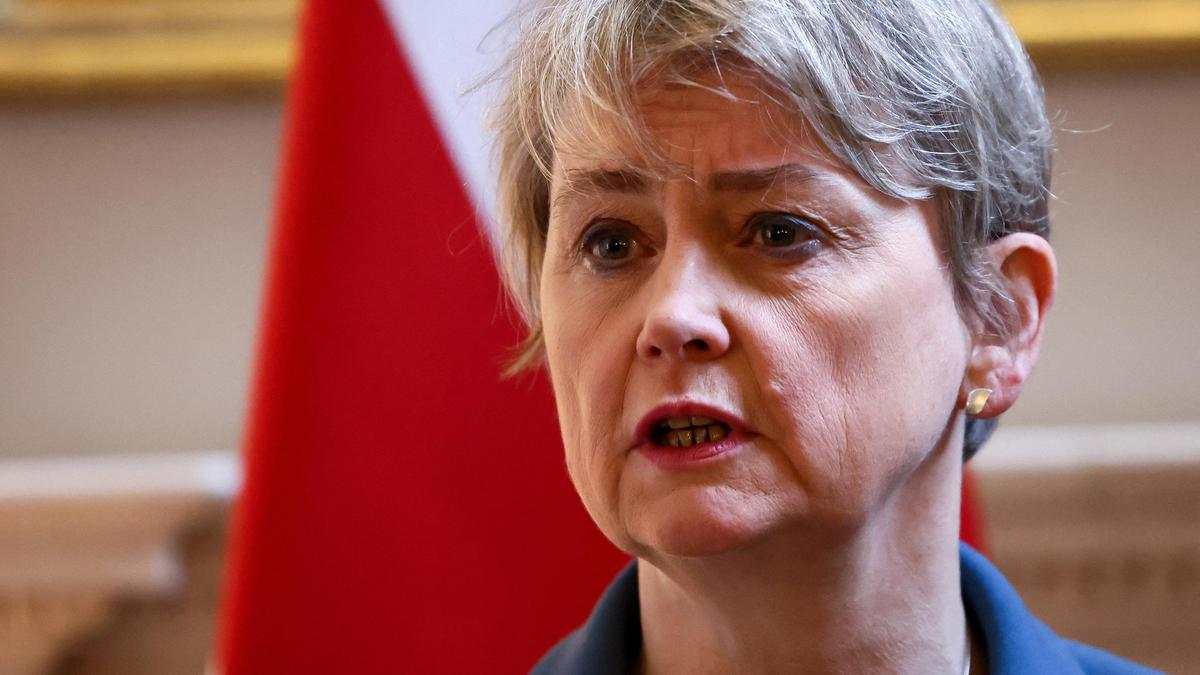
On January 22, 2026, British Foreign Secretary Yvette Cooper announced that the UK will not participate in the signing ceremony for U.S. President Donald Trump’s “Board of Peace” in Davos. Cooper cited concerns over the inclusion of Russian President Vladimir Putin, whose forces remain engaged in the conflict in Ukraine that began in 2022, as a key reason for the UK’s refusal. The “Board of Peace,” a U.S.-led initiative with a $1 billion price tag for permanent membership, aims to resolve international conflicts. The UK also expressed broader concerns about the legal treaty underpinning the board and its potential rivalry with the United Nations.
Key Points
- The UK will not sign the founding charter of U.S. President Donald Trump’s “Board of Peace” on January 22, 2026.
- Foreign Minister Yvette Cooper cited concerns over Russian President Vladimir Putin’s inclusion, given the ongoing conflict in Ukraine.
- The “Board of Peace” has a $1 billion membership fee.
- The UK has broader concerns about the legal treaty underlying the board.
- The board’s charter appears to expand its role beyond Gaza’s rebuilding and potentially compete with the United Nations, raising concerns among some U.S. allies like France.
Critical Analysis
The refusal of the UK to sign President Trump’s “Board of Peace” is part of a larger trend indicating growing international skepticism towards the initiative. The related context highlights that Spain will also not join, Canada had its invitation revoked, and India produced an editorial examining the merit of the board. The inclusion of Putin, given the still-ongoing conflict in Ukraine, appears to be a major sticking point. This resistance suggests a potential fracturing of the Western alliance and a growing divergence in approaches to international conflict resolution. The news that South Africa is dealing with questions surrounding their participation in naval drills with Iran further highlights the increasingly complex and fragmented global landscape.
Key Takeaways
- The UK’s refusal underscores deep divisions within the international community regarding the proposed “Board of Peace.”
- The inclusion of controversial figures like President Putin undermines the board’s credibility and raises concerns about its effectiveness.
- There’s growing apprehension that the board may rival or duplicate the functions of the United Nations, leading to further international instability.
- International cooperation on conflict resolution is becoming increasingly complex and fragmented.
- The Ukraine conflict continues to be a major source of international tension and a barrier to cooperation with Russia.
Impact Analysis
The UK’s decision, coupled with other nations’ reservations and Trump’s seemingly impulsive actions (revoking Canada’s invitation), could significantly undermine the “Board of Peace” and limit its influence on global affairs. If other key allies follow suit, the board risks becoming a largely symbolic entity, further exacerbating existing tensions within the transatlantic alliance. The long-term implications include a potential weakening of the existing multilateral system and a move towards more regional and bilateral approaches to conflict resolution. This could lead to a more unstable and unpredictable international environment where the United Nations is increasingly marginalized.
 First Piper