
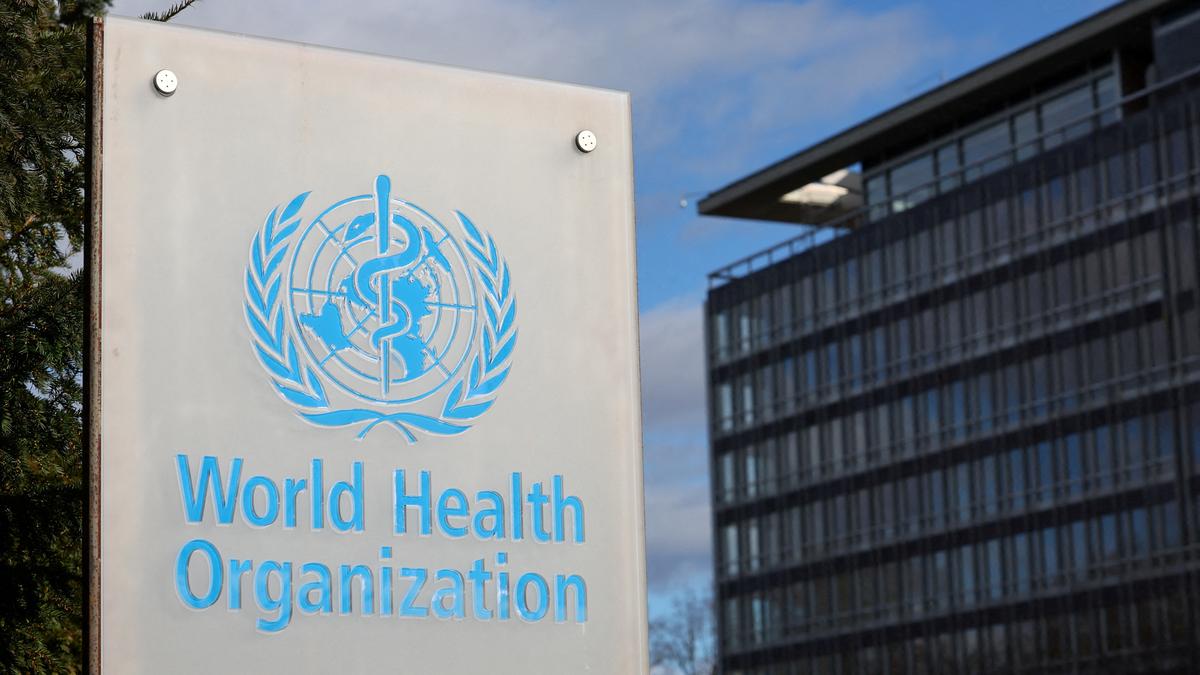
Fri Jan 23 05:21:50 UTC 2026: # US Officially Withdraws from WHO Amidst Controversy
The Story:
The United States officially finalized its withdrawal from the World Health Organization (WHO) on January 22, 2026, one year after then-President Donald Trump announced the country would end its 78-year commitment. The withdrawal is steeped in controversy, with the U.S. still owing the WHO over $130 million. The Trump administration cited the WHO’s handling of the COVID-19 pandemic, alleged lack of necessary reforms, and perceived political influence from member states as reasons for the departure. Experts warn the withdrawal will negatively impact global health initiatives and hinder U.S. scientists’ ability to respond to future health threats.
Key Points:
- The U.S. officially withdrew from the WHO on January 22, 2026.
- The U.S. owes the WHO over $130 million in outstanding dues.
- The Trump administration cited the WHO’s handling of the COVID-19 pandemic, lack of reforms, and perceived political influence as reasons for withdrawal.
- Experts warn of negative consequences for global health initiatives, including polio eradication, maternal and child health programs, and viral threat research.
- The U.S. is ceasing participation in WHO committees and information-sharing programs.
- The legality of the withdrawal is questioned, with some arguing it requires an act of Congress.
- The U.S. contributed on average $111 million annually in member dues and about $570 million more in annual voluntary contributions.
Critical Analysis:
The timing of the US official withdrawal from the WHO is noteworthy because it coincides with heightened tensions with countries like Canada. This suggests a broader pattern of the Trump administration’s foreign policy decisions that prioritize nationalist interests above multilateral cooperation. The Greenland tariff threat further highlights this administration’s willingness to use economic levers to achieve its objectives, even in contexts seemingly unrelated to healthcare or global health organizations.
Key Takeaways:
- The U.S. withdrawal from the WHO represents a significant shift in U.S. foreign policy under the Trump administration.
- The decision has potential long-term implications for global health security and international cooperation.
- The financial obligations and logistical complications associated with the withdrawal remain unresolved.
- The withdrawal raises questions about the future of U.S. leadership in global health.
- Lack of participation in information-sharing programs threatens early detection of new outbreaks.
Impact Analysis:
The U.S. withdrawal from the WHO is poised to have far-reaching and lasting consequences. The immediate impact will likely be felt by global health initiatives reliant on U.S. funding and expertise, potentially slowing down or halting progress in areas like polio eradication and maternal health. The long-term effects could include a weakening of the international health architecture, making it more difficult to respond effectively to future pandemics and health crises. The withdrawal may also encourage other nations to question their commitment to multilateral institutions, further undermining global cooperation on critical issues. Additionally, the loss of U.S. participation in information-sharing networks reduces the country’s capacity to proactively respond to new viral threats, leaving the U.S. more vulnerable.
 First Piper