
Fri Jan 23 05:06:46 UTC 2026: ### Headline: Japanese Prime Minister Takaichi Calls Snap Election Amidst Rising Tensions
The Story
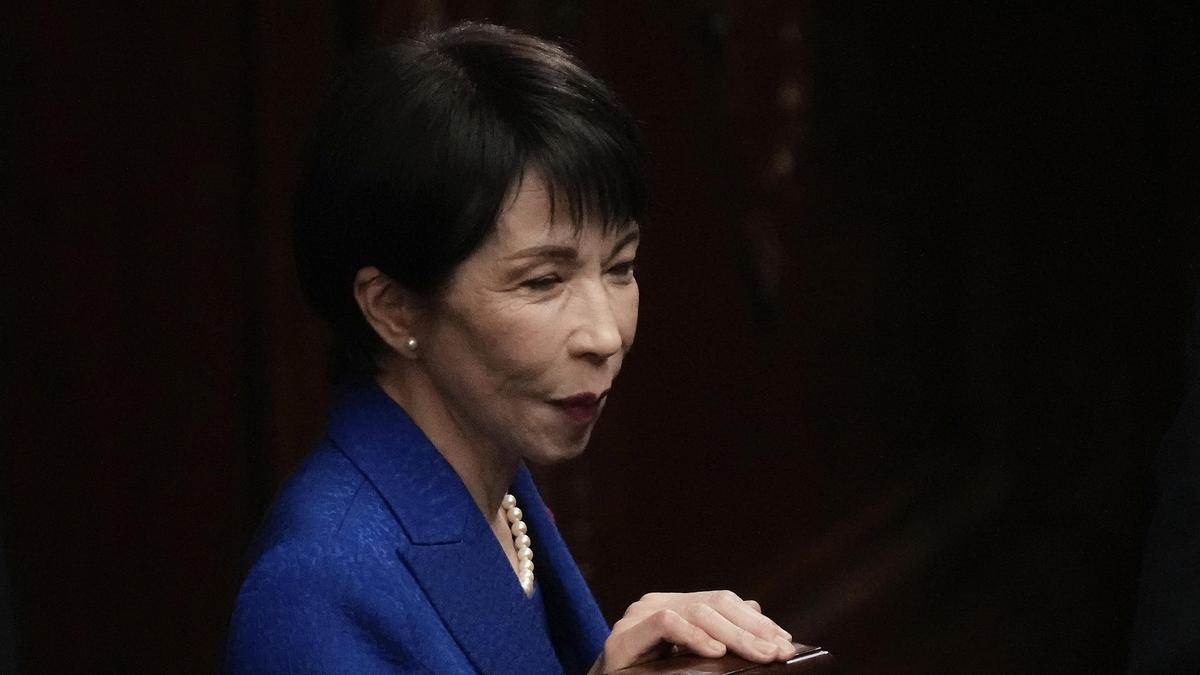
Japanese Prime Minister Sanae Takaichi dissolved the lower house of Parliament on January 23, 2026, setting the stage for a snap election scheduled for February 8, 2026. The move, intended to capitalize on her high approval ratings and solidify the governing party’s majority after recent losses, will delay a crucial budget vote aimed at addressing economic struggles and rising prices. Takaichi, Japan’s first female leader elected in October 2025, faces escalating tensions with China due to her pro-Taiwan stance and pressure from the U.S. to increase military spending.
Opposition leaders have criticized the timing of the election, arguing that it prioritizes political gain over pressing economic needs. Takaichi, however, maintains that the election is necessary to obtain a mandate for her fiscal policies, military build-up, and immigration reforms. She is explicitly differentiating herself from her predecessor, Shigeru Ishiba, a centrist.
Key Points
- Snap Election: Lower house of Parliament dissolved on January 23, 2026, with elections set for February 8, 2026.
- Prime Minister’s Popularity: Sanae Takaichi enjoys approval ratings of approximately 70%.
- Economic Concerns: Election delays a vote on a budget designed to boost the economy and combat inflation.
- Geopolitical Tensions: Rising animosity with China due to Takaichi’s pro-Taiwan remarks. U.S. President Donald Trump is pushing Japan to increase defense spending.
- Domestic Politics: The ruling LDP is recovering from a political funds scandal, with some traditional voters shifting to far-right populist parties.
Critical Analysis
The timing of the election suggests a calculated risk by Prime Minister Takaichi. While her high approval ratings offer a potential advantage, delaying the budget risks alienating voters concerned about the economy. Her hawkish stance towards China, coupled with pressure from the U.S. for increased military spending, indicates a broader shift in Japanese foreign policy towards a more assertive role in regional security. The rise of far-right populist parties underscores a growing discontent among certain segments of the electorate with the established political order. The restart of the Nuclear plant seems to be a policy aimed to improve the economy, but puts PM Takaichi at risk since there’s always the potential for accidents at facilities of that nature.
Key Takeaways
- Political Maneuvering: Takaichi is leveraging her popularity for potential political gains.
- Economic Risks: Delaying the budget could backfire if the economy does not improve.
- Geopolitical Realignment: Japan is potentially adopting a more assertive foreign policy stance, particularly concerning China and Taiwan.
- Domestic Challenges: The LDP faces challenges from emerging populist movements.
- Nuclear risk: The restart of the nuclear plant could backfire in the event of an incident and damage the PM’s credibility.
Impact Analysis
The outcome of the snap election will have significant long-term implications for Japan’s domestic and foreign policy. A strong mandate for Takaichi could lead to increased military spending, a more confrontational stance towards China, and potentially significant changes to immigration policies. Conversely, a weak showing could force the LDP to moderate its policies and seek broader coalition support. The election will also serve as a bellwether for the strength of emerging populist movements in Japan and their potential to disrupt the established political landscape. In short, the results of this election may influence regional security and global trade relations for years to come.
 First Piper