
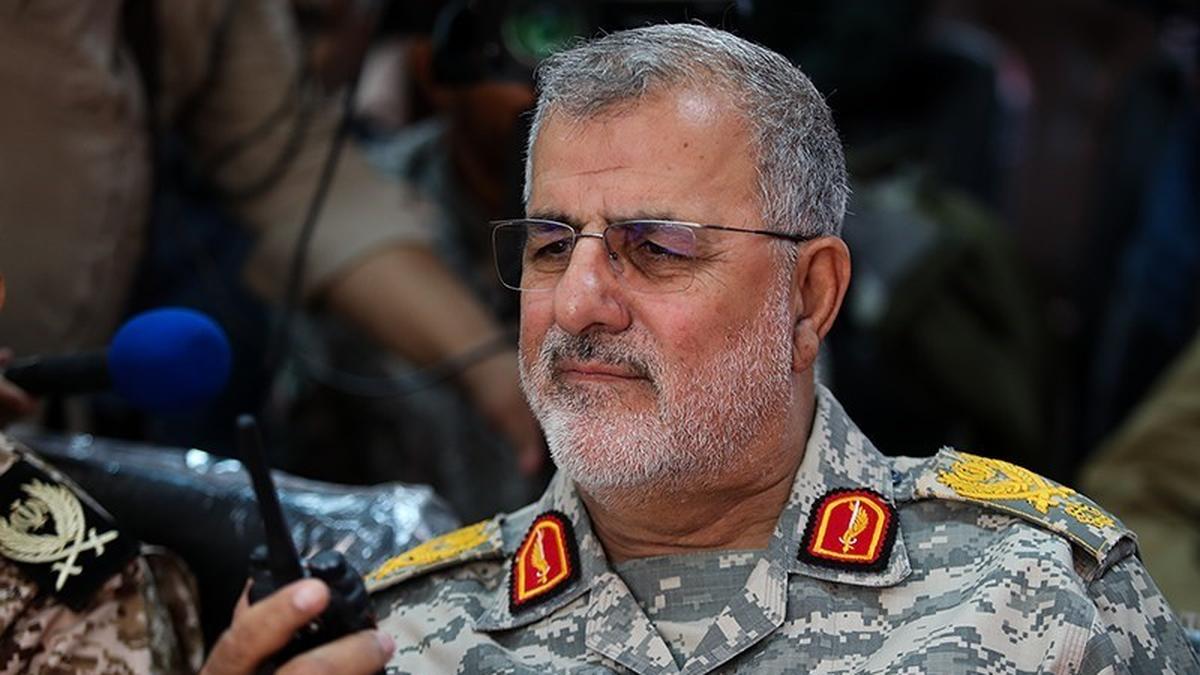
Thu Jan 22 12:08:38 UTC 2026: Headline: Iran Warns Israel and U.S. Against “Miscalculations” Amid Regional Tensions
The Story: On January 22, 2026, Iranian Revolutionary Guards Commander General Mohammad Pakpour issued a stark warning to Israel and the United States, cautioning them against any “miscalculations” following recent mass protests within Iran. This warning comes in the wake of Washington’s backing of Israel in a 12-day war in June 2025 and amidst ongoing internal unrest within Iran. General Pakpour emphasized the readiness of the Revolutionary Guards to act on the orders of Supreme Leader Ayatollah Ali Khamenei. The statement coincided with Iran’s national day celebrating the Guards, a force tasked with defending the Islamic Revolution.
Key Points:
- Commander of Iran’s Revolutionary Guards, General Mohammad Pakpour, warned Israel and the U.S. against “miscalculations.”
- This follows Washington’s backing and joining of Israel’s 12-day war in June 2025.
- Protests in Iran that started in late December 2025 were met with a crackdown.
- Iranian authorities reported 3,117 deaths from the protests, claiming 2,427 were “martyrs.”
- Rights groups estimate the actual death toll may be significantly higher, potentially exceeding 20,000.
- Israeli President Isaac Herzog, speaking at the World Economic Forum in Davos, stated that Iran needs a “regime change.”
- Hossein Salami, Pakpour’s predecessor, was killed in an Israeli strike during the 12-day war.
Critical Analysis:
The events are a continuation of escalating tensions in the Middle East, specifically between Iran, Israel, and the U.S. The killing of Hossein Salami shows the level of Israeli penetration of Iran and adds a personal component to the animosity from the Iranian side. President Herzog’s statement at Davos further highlights the external pressure on the Iranian regime and hints at potential future actions. The Iranian government is trying to suppress internal dissent by framing protestors as rioters backed by the U.S..
Key Takeaways:
- The relationship between Iran, Israel, and the U.S. remains highly volatile.
- Internal unrest in Iran provides a backdrop for potential external intervention.
- Conflicting narratives on casualties highlight the difficulty in assessing the true impact of the Iranian crackdown.
- The possibility of further military action remains a significant concern.
- The Israeli government has publicly stated it wants a regime change.
Impact Analysis:
The long-term impact of these events could be profound, potentially leading to:
- Escalated Conflict: The heightened tensions could trigger a larger regional conflict, drawing in other nations and destabilizing the Middle East further.
- Regime Instability: Continued internal unrest and external pressure may eventually lead to the collapse or significant reform of the Iranian regime.
- Increased Sanctions: The U.S. and its allies are likely to impose further sanctions on Iran, impacting its economy and international relations.
- Proxy Wars: With direct conflict a high-risk option, proxy conflicts in regions like Syria, Lebanon, and Yemen could intensify.
- Global Economic Impact: Instability in the Middle East could significantly affect global oil prices and trade routes.
 First Piper