
Thu Jan 22 22:06:53 UTC 2026: Headline: NATO Backs Permanent Arctic Presence Amid Trump’s Greenland Pursuit
The Story:
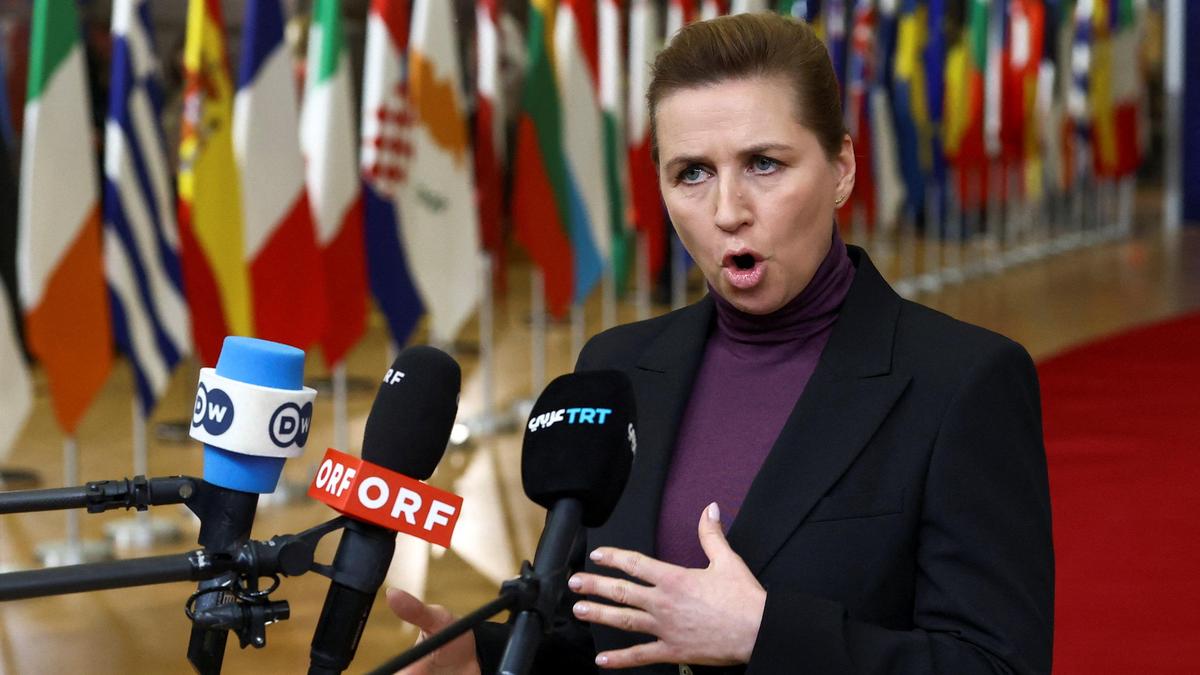
Danish Prime Minister Mette Frederiksen announced on January 22, 2026, that NATO allies support a permanent presence in the Arctic region, including around Greenland. This statement followed U.S. President Donald Trump’s earlier claims of reaching a framework deal to satisfy his demands regarding Greenland, although details remain vague. Despite initial threats of tariffs and potential use of force, Trump has apparently backed down from a takeover attempt of the autonomous Arctic territory, but the situation underscores ongoing tensions and strategic maneuvering in the Arctic region. Discussions about Denmark’s sovereignty over Greenland are firmly off the table, according to Frederiksen.
Key Points:
- Mette Frederiksen stated NATO allies support a permanent presence in the Arctic.
- This follows President Trump’s prior demands regarding Greenland.
- Trump seemingly backed down from using force or tariffs to acquire Greenland.
- Denmark asserts its sovereignty over Greenland is non-negotiable.
- NATO will ramp up security in the Arctic, citing threats from Russia and China, which Trump used to justify his desire for Greenland.
- The U.S. and Denmark will look to renegotiate a 1951 defense pact regarding American troop deployments on Greenland.
Critical Analysis:
The historical context reveals a growing tension between Trump’s ambitious and often unconventional foreign policy objectives and the established norms of international alliances like NATO. The context also includes opinion suggesting that Trump’s Greenland fixation exposes NATO’s fault lines.
Key Takeaways:
- The Arctic is emerging as a key strategic region for NATO, driven by perceived threats from Russia and China.
- Trump’s approach to Greenland has caused friction with a NATO ally, Denmark, highlighting potential strains within the alliance.
- The renegotiation of the 1951 defense pact indicates a willingness to update existing agreements to reflect contemporary security concerns in the Arctic.
- Denmark is firmly asserting its sovereignty over Greenland despite pressure from the U.S.
- NATO’s increased presence in the Arctic is likely to escalate geopolitical competition in the region.
Impact Analysis:
The events signal a long-term shift towards greater militarization and strategic competition in the Arctic. Increased NATO presence will likely be met with counter-measures from Russia and potentially China, further solidifying the Arctic as a potential flashpoint. The renegotiated defense pact between the U.S. and Denmark could grant the U.S. greater operational flexibility in the region, but also potentially strain relations if not handled delicately. The long-term impact will be a more complex and contested Arctic landscape, requiring careful diplomacy and strategic foresight from all involved parties.
 First Piper