
Fri Jan 23 06:19:21 UTC 2026: # China and Brazil Strengthen Ties Amid Global South Concerns, U.S. Actions
The Story:
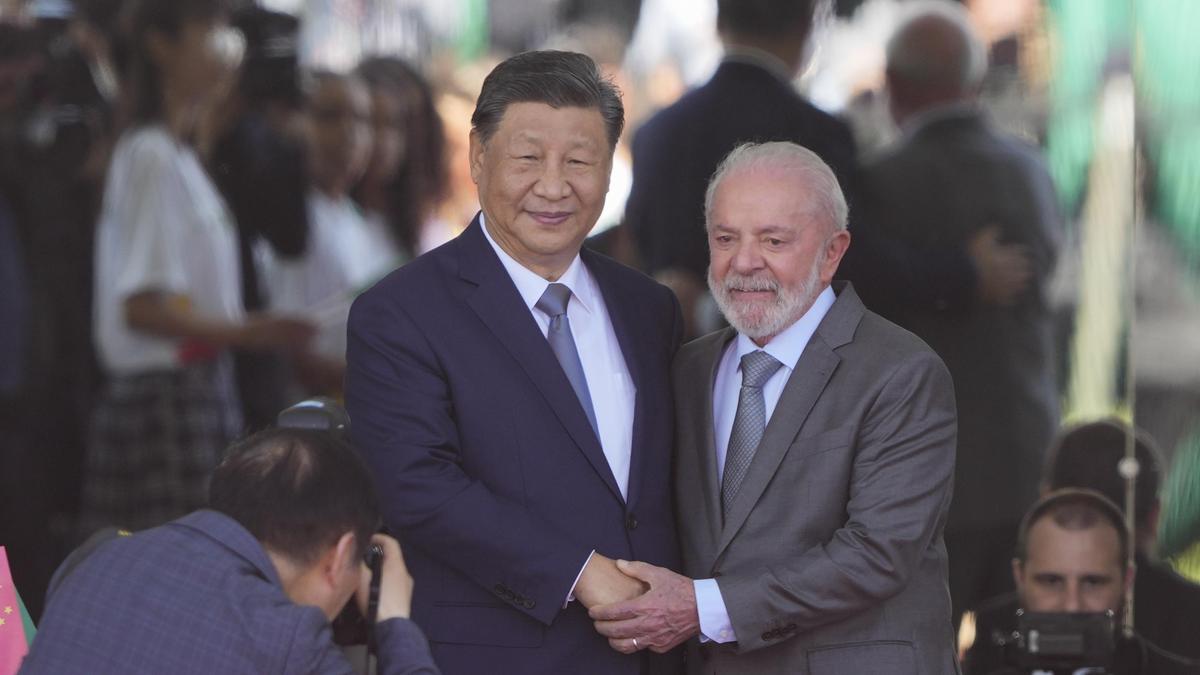
Chinese President Xi Jinping and Brazilian President Luiz Inacio Lula da Silva spoke on Friday, January 23, 2026, reaffirming their commitment to safeguarding the interests of the Global South and upholding the central role of the United Nations. The call emphasized the importance of the China-Brazil strategic partnership established in 2024, aligning China’s Belt and Road Initiative (BRI) with Brazil’s development plans, especially in farming, infrastructure, and energy transition.
The discussion occurred in the context of growing unease among Latin American and Caribbean nations following the Trump administration’s recent seizure of Venezuelan President Nicolas Maduro, leading to condemnation from the United Nations and raising concerns about potential violations of international law and regional sovereignty.
Key Points:
- Xi Jinping and Luiz Inacio Lula da Silva discussed strengthening China-Brazil cooperation within the Global South framework.
- Xi reiterated China’s commitment to being a supportive partner to Latin American and Caribbean countries, aiming to build a community with a shared future.
- The 2024 strategic partnership, linking BRI to Brazil’s development plans, was highlighted as a key example of Global South solidarity.
- The conversation took place after the Trump administration seized Venezuelan President Nicolas Maduro, creating political instability and regional concerns.
- The United Nations criticized the U.S. action as a violation of international law.
Critical Analysis:
The timing of this call, immediately following the U.S. action in Venezuela, suggests a calculated move by China to position itself as a reliable alternative to the U.S. in the region. By emphasizing the UN’s role and criticizing unilateral actions, China is likely appealing to nations wary of U.S. interventionism and seeking alternative partnerships for development and security.
Key Takeaways:
- China is actively leveraging concerns about U.S. foreign policy to strengthen its relationships within the Global South.
- The China-Brazil partnership serves as a model for China’s broader engagement with Latin America and the Caribbean.
- The Belt and Road Initiative is a key tool for fostering economic cooperation and political alignment.
- The UN’s criticism of the Maduro seizure underscores the growing international disapproval of unilateral actions by major powers.
- The mention of a confirmed China trip by Trump in April 2026, and a reciprocal visit by Xi to the US towards the end of 2026, signals a need for de-escalation between the two countries amidst conflicting geopolitical issues.
Impact Analysis:
This event signifies a potential shift in the geopolitical landscape of Latin America and the Caribbean. China’s proactive engagement and criticism of U.S. actions could lead to:
- Increased Chinese influence in the region: Latin American nations, seeking economic development and political autonomy, may increasingly turn to China as an alternative partner.
- Weakening of U.S. hegemony: The U.S.’s credibility and influence in the region could be eroded if its actions are perceived as violating international law and undermining regional stability.
- Strengthening of Global South cooperation: The China-Brazil partnership could encourage other nations in the Global South to forge closer ties and advocate for a more multipolar world order.
- Increased demand for alternatives to the US Dollar: As developing nations explore alternatives to the US-dominated financial system, it will increase the demand for BRICS currency, and potentially destabilize the current global economic structure.
 First Piper