
Fri Jan 23 06:52:05 UTC 2026: ### Headline: Singaporean Cargo Ship Capsizes Near Disputed Scarborough Shoal; Rescue Operation Underway
The Story:
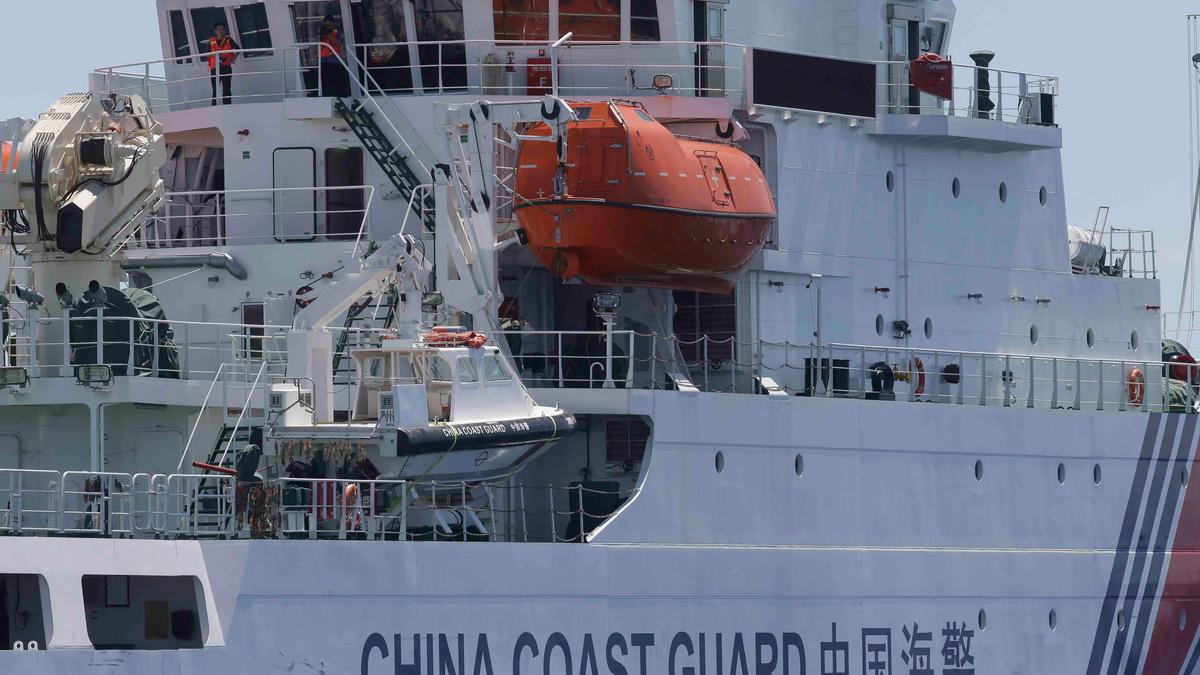
On January 23, 2026, a Singapore-flagged cargo ship with 21 Filipino crew members capsized in the South China Sea, approximately 100 kilometers northwest of the disputed Scarborough Shoal. Chinese authorities, including the Coast Guard and the People’s Liberation Army’s (PLA) Southern Theatre Command, initiated a rescue operation. As of the latest reports, 15 crew members have been rescued, with 14 reported to be in stable condition. Tragically, two people are confirmed dead, and four remain missing.
The ship, en route to Guangdong province in China, lost contact on January 22, 2026. The Philippine Coast Guard has dispatched vessels and aircraft to assist in the ongoing rescue efforts. The incident occurred in an area known for frequent confrontations between Chinese and Philippine ships due to overlapping territorial claims.
Key Points:
- A Singapore-flagged cargo ship capsized near Scarborough Shoal on January 23, 2026.
- 21 Filipino crew members were aboard.
- Chinese Coast Guard and PLA rescued 15 crew members; two confirmed dead, four missing.
- The Philippine Coast Guard is assisting in the rescue operation.
- The incident occurred in a contested area of the South China Sea, near Scarborough Shoal.
- A Chinese navy ship collided with a Chinese Coast Guard ship in August while trying to block a Philippine Coast Guard vessel near Scarborough Shoal.
Critical Analysis:
The event series reveals increasing tensions and dangerous conditions within the South China Sea. The August collision between Chinese naval and coast guard vessels suggests a lack of coordination and potentially heightened aggression in enforcing territorial claims. This environment increases the risk of accidents, as demonstrated by the cargo ship capsizing. The location of the capsizing near Scarborough Shoal, a focal point of contention, underscores the perilous nature of maritime activities in the region.
Key Takeaways:
- Territorial disputes in the South China Sea are escalating, leading to increased maritime risks.
- The presence of multiple countries’ naval and coast guard forces increases the likelihood of accidents.
- The incident highlights the need for improved communication and de-escalation strategies among claimant nations.
- The accident may prompt renewed calls for a binding Code of Conduct for the South China Sea.
- The incident raises questions about maritime safety standards and enforcement in the region.
Impact Analysis:
This incident is likely to further exacerbate tensions between China and the Philippines, as well as other nations with claims in the South China Sea. The loss of life will likely fuel nationalist sentiments and could lead to increased military presence and assertive actions in the region. Diplomatically, the event could spur renewed efforts to establish a more robust framework for managing maritime disputes and ensuring safety, potentially accelerating negotiations on a Code of Conduct for the South China Sea. However, it could also harden positions, making a resolution more difficult to achieve. The long-term impact will depend on the responses of the involved nations and the international community.
 First Piper