
Fri Jan 23 08:44:26 UTC 2026: # Deadly Explosion at Chhattisgarh Steel Plant Exposes Safety Lapses
The Story:
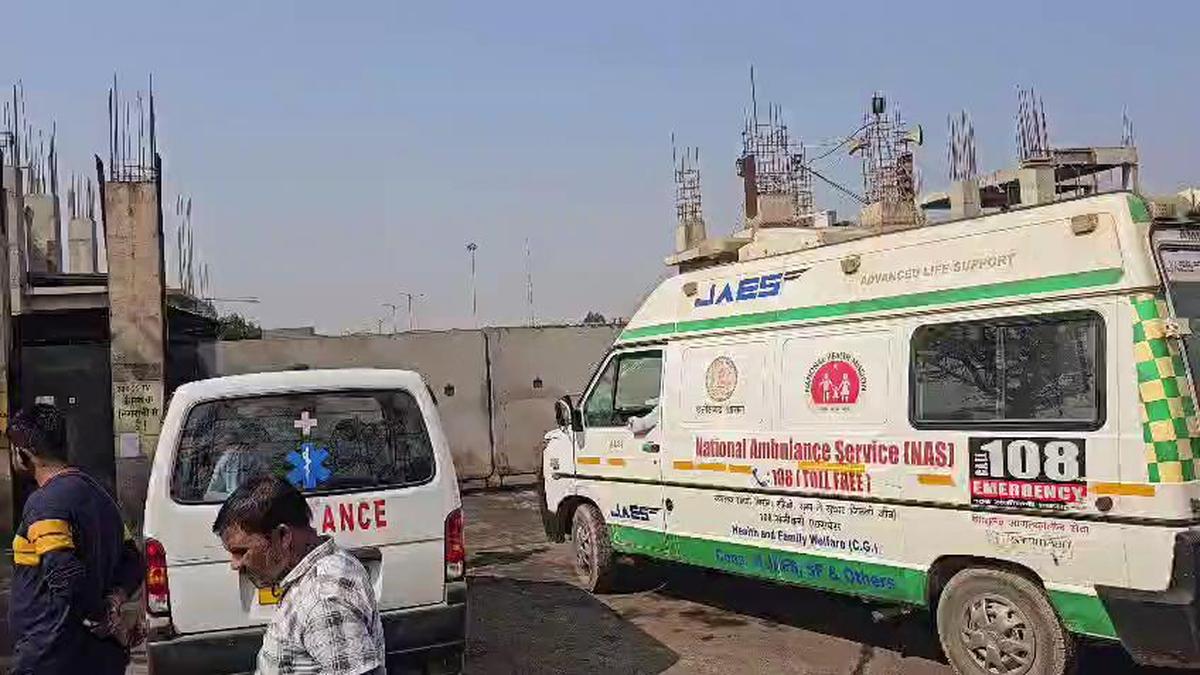
A deadly explosion at Real Ispat and Power Ltd. in Bakulahi village, Balodabazar-Bhatapara district, Chhattisgarh on January 22, 2026, claimed the lives of six workers and seriously injured five others. The Chhattisgarh government has sealed kiln no. 1 at the steel plant following a preliminary investigation that revealed serious violations of safety norms. The workers, primarily from Bihar and Jharkhand, were reportedly performing maintenance on the dust-settling chamber when the blast occurred, followed by a shower of extremely hot ash.
Key Points:
- Six workers died, and five were seriously injured in an explosion at Real Ispat and Power Ltd. on January 22, 2026.
- The explosion occurred during maintenance work on the dust-settling chamber of kiln no. 1.
- A preliminary probe revealed serious violations in safety norms, including failure to shut down the kiln during high-risk operations, improper work permits, lack of regular maintenance, and inadequate safety gear and training.
- The Chhattisgarh government has sealed kiln no. 1 under the Factories Act, 1948, prohibiting all operations and maintenance until safety measures are enforced and certified compliance documents are submitted.
- The factory management has announced compensation of Rs 20 lakh each to the families of the deceased and ₹5 lakh each to the injured. Additional compensation will be provided through the Employees’ Compensation Fund and Employees’ State Insurance Corporation (ESIC).
- The deceased workers were identified as residents of Gotibandh village in Bihar. Injured workers are from Gotibandh village in Bihar, and Rajhara village in Jharkhand.
Critical Analysis:
The historical context includes a report of Maoists surrendering in Chhattisgarh. This provides a possible backdrop for an atmosphere of neglect for safety, as the focus may be on other issues such as regional political conflicts.
Key Takeaways:
- The incident highlights the ongoing problem of inadequate safety standards and enforcement in Indian industrial plants, particularly those employing migrant labor.
- Government intervention, while swift, underscores the need for proactive safety inspections and stricter penalties for violations.
- The reliance on post-accident compensation, while providing some relief, does not address the systemic issues that led to the tragedy.
- The victims are primarily migrant workers, suggesting that the labor force is especially vulnerable.
Impact Analysis:
This incident is likely to prompt increased scrutiny of safety protocols in similar industrial plants across Chhattisgarh and other states with significant industrial sectors. There may be increased pressure on the government to strengthen enforcement mechanisms and on companies to invest in better safety training and equipment. It may also encourage labor rights organizations to become more active in advocating for worker safety in the region.
 First Piper