
Tue Jan 20 06:44:30 UTC 2026: Headline: Trump’s Tariff Threats Over Greenland Spark Transatlantic Crisis at Davos
The Story:
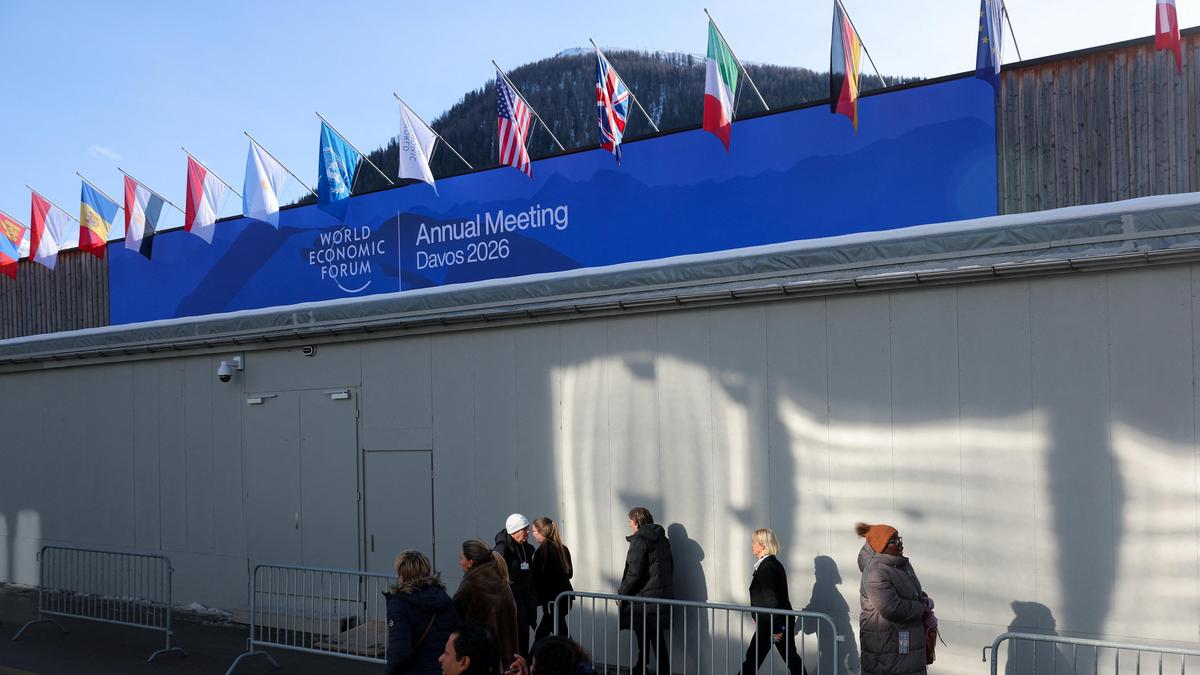
Tensions are escalating at the World Economic Forum (WEF) in Davos, January 20, 2026, as U.S. President Donald Trump threatens to impose tariffs on eight European countries over the Greenland standoff. This move has prompted European leaders, including European Union chief Ursula von der Leyen and French President Emmanuel Macron, to address the forum with their own concerns and potential countermeasures. The crisis threatens the stability of transatlantic relations, with an emergency summit planned in Brussels to address the situation.
Key Points:
* Donald Trump is threatening tariffs on eight European countries over the Greenland issue.
* Ursula von der Leyen met with a U.S. congressional delegation to discuss Greenland’s sovereignty.
* Emmanuel Macron will leave Davos without meeting Trump.
* German Chancellor Friedrich Merz intends to meet with Trump to avoid escalation.
* An emergency EU summit is scheduled in Brussels to address the transatlantic crisis.
* Finland’s President Alexander Stubb called the tariff threats “unacceptable”.
* Denmark proposed NATO surveillance in Greenland due to security concerns.
* Canadian Prime Minister Mark Carney has secured a preliminary trade agreement with China.
* The U.S. has sent a large delegation to Davos to assert its presence.
Critical Analysis:
The news article describes a scenario where Trump is leveraging economic pressure (tariffs) to assert US interests in Greenland, which in turn has caused political instability in the US’s relationship with Europe. This comes parallel to Canada reducing its reliance on the US by creating trade agreements with China, signifying a shift in the landscape of trade economics.
Key Takeaways:
* Transatlantic relations are under severe strain due to the Greenland dispute and tariff threats.
* Economic nationalism under Trump’s administration is disrupting the established global order.
* European nations are considering countermeasures, potentially leading to a trade war.
* Other countries are capitalizing on strained US relationships, Canada’s securing of a trade agreement with China is a prime example.
* The crisis underscores the growing geopolitical tensions and the potential for further fragmentation of international alliances.
Impact Analysis:
The Greenland standoff and the US tariff threats have significant long-term implications:
- Weakened Alliances: The crisis could erode trust and cooperation within traditional alliances like NATO, potentially leading to a realignment of global power.
- Trade Wars: Retaliatory tariffs could trigger a broader trade war, harming economies worldwide.
- Geopolitical Instability: Increased tensions create opportunities for other global actors to expand their influence, further destabilizing the international landscape.
- Increased Scrutiny of US Foreign Policy: The events will likely lead to increased scrutiny of the US’s unilateral foreign policy decisions and their impact on global stability.
 First Piper