
Tue Jan 20 14:48:43 UTC 2026: # UAE Joins Trump’s Controversial “Board of Peace” for Gaza Reconstruction
The Story
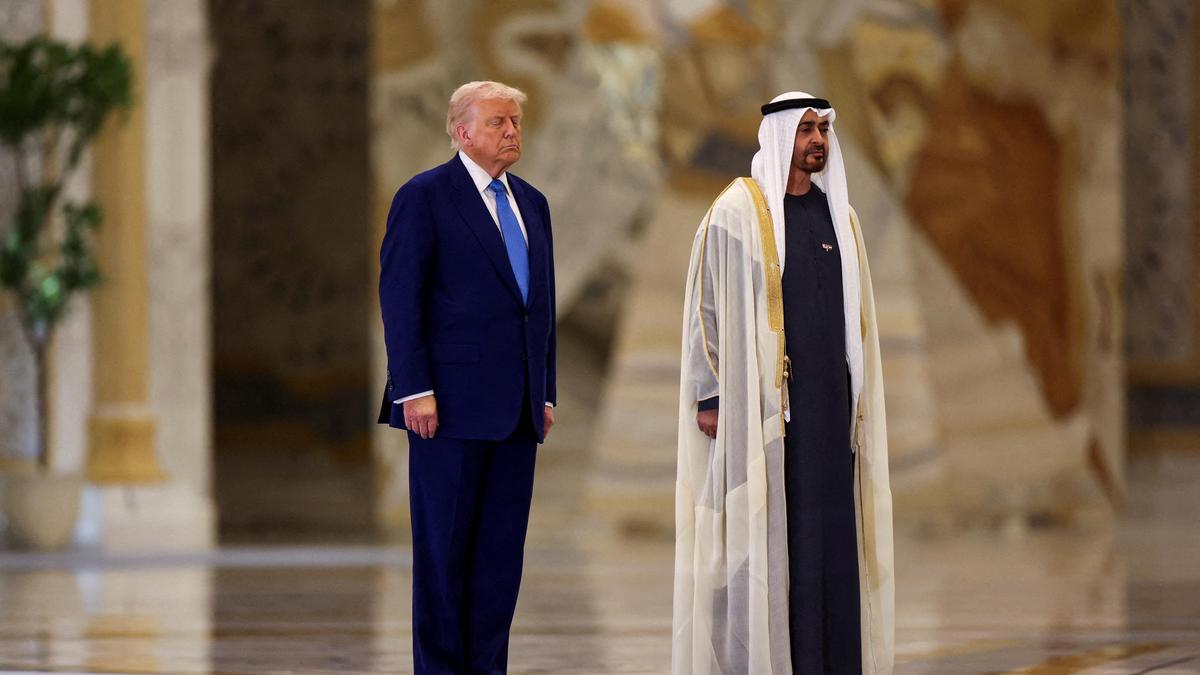
The United Arab Emirates (UAE) has accepted an invitation from U.S. President Donald Trump to join his “Board of Peace,” a body intended to oversee post-war reconstruction in Gaza. The decision comes amid controversy surrounding the board, which requires a $1 billion contribution for a permanent seat and whose charter seemingly aims to rival the United Nations. Despite potential tensions with its regional ally, Saudi Arabia, and backlash over its ties with Israel, the UAE’s Foreign Ministry stated that the move reflects the importance of implementing President Trump’s 20-point peace plan for Gaza.
Key Points
- The UAE’s President Sheikh Mohamed bin Zayed Al Nahyan accepted the invitation.
- The “Board of Peace” is chaired by Donald Trump and is designed to oversee post-war reconstruction in Gaza.
- Permanent seats on the board cost $1 billion.
- The board’s charter seemingly extends its role beyond Gaza, potentially rivaling the United Nations.
- The move occurs amidst tensions between the UAE and Saudi Arabia, both vying for influence with the Trump administration.
- The UAE has faced criticism in the Arab world for its ties with Israel established through the 2020 Abraham Accords.
- Emirati Foreign Minister Abdullah bin Zayed stated that the decision reflects the importance of implementing Donald J. Trump’s 20-point peace plan for Gaza.
- The board is a key phase two element of a U.S.-backed peace plan to end the war in Gaza, which came into force on October 10, 2025.
- The membership duration is three years, subject to renewal, unless a country contributes more than USD $1,000,000,000 within the first year, making them exempt from the three-year restriction.
Critical Analysis
The UAE’s decision to join Trump’s “Board of Peace” can be seen as a calculated move to maintain influence in the region, even amidst potential diplomatic fallout. Given the tension between the UAE and Saudi Arabia, both vying for influence with the Trump administration, this move could signal a proactive approach by the UAE to solidify its position as a key U.S. ally. The hefty price tag for a permanent seat suggests that President Trump is attempting to leverage economic power to achieve his foreign policy goals.
Key Takeaways
- The UAE seeks to play a significant role in the post-war reconstruction of Gaza and influence peace negotiations.
- The U.S. under President Trump is employing unconventional methods, including financial incentives, to advance its foreign policy agenda in the Middle East.
- The “Board of Peace” represents a potential challenge to the established international order, particularly the United Nations.
- The UAE’s commitment to the peace plan highlights its continued commitment to its relationship with the US despite potential backlash.
- The high cost of participation suggests the ‘Board of Peace’ might be more about leveraging economic influence than genuine multilateral cooperation.
Impact Analysis
The UAE’s participation in the “Board of Peace” could have several long-term implications:
- Regional Power Dynamics: The move could further strain relations between the UAE and Saudi Arabia, potentially leading to increased competition for regional influence.
- US-Arab Relations: The success or failure of the “Board of Peace” will significantly impact U.S. relations with Arab nations, particularly those with close ties to either the UAE or Saudi Arabia.
- Palestinian Authority: The “Board of Peace” could potentially marginalize or undermine the role of the Palestinian Authority in Gaza’s reconstruction, potentially leading to further instability.
- Future of Multilateralism: The board’s establishment raises questions about the future of multilateralism and the role of established international organizations like the UN. Its success or failure will set a precedent for future U.S.-led initiatives.
- Trump’s Legacy: Depending on the board’s effectiveness, it could serve as a significant part of Donald Trump’s foreign policy legacy, for better or worse.
 First Piper