
Mon Jan 19 22:50:00 UTC 2026: Headline: Colorado River Faces Dire Threat as Climate Change and Energy Demands Intensify
The Story: A confluence of environmental challenges and policy decisions is placing unprecedented strain on the Colorado River. A primary article by Robert Marcos highlights instances of the river drying up completely due to diversions for hydroelectric power and irrigation, endangering native fish species. This situation is exacerbated by record-breaking temperatures in the Western U.S., as reported by KUER, which fuel evaporation and disrupt traditional snowpack-based water management. Simultaneously, a piece from The Land Desk indicates that despite a declared “energy emergency” by the Trump administration, oil and gas production isn’t maximizing existing resources, raising questions about the true priorities of energy policy. These pressures occur against the backdrop of global debates on transitioning away from fossil fuels, as discussed in a The Conversation article, where the U.S. is portrayed as resisting this shift.
Key Points:
- Sections of the Colorado River are drying up due to water diversions for the Shoshone Hydroelectric Generating Station and irrigation for Grand Valley farms.
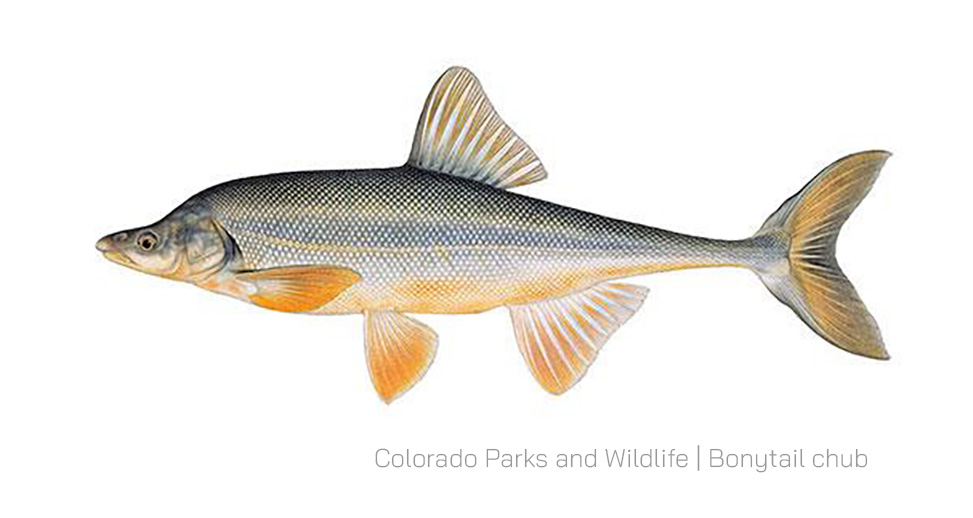
- Four native fish species—Bonytail, Colorado Pikeminnow, Razorback Sucker, and Humpback Chub—are critically endangered due to habitat loss.
- Salt Lake City set a new record for its warmest year in 2025, impacting the snowpack and increasing evaporation.
- The Trump administration declared an “energy emergency” but isn’t fully utilizing existing oil wells.
- The Belém Climate Conference (COP30) saw resistance to a global roadmap for transitioning away from fossil fuels.
Critical Analysis:
The events reveal a complex interplay of factors driving the crisis on the Colorado River. The reliance on hydroelectric power and irrigation, coupled with the escalating effects of climate change, creates a zero-sum game where ecological health is sacrificed for energy production and agriculture. The Trump administration’s policies, prioritizing fossil fuel production over sustainability and efficient resource use, appear to exacerbate the environmental damage, aligning with a broader global resistance to transitioning away from fossil fuels. This suggests a strategic prioritization of short-term economic gains over long-term environmental stability.
Key Takeaways:
- The Colorado River’s ecological health is severely compromised by water diversions and climate change.
- Climate change is not just about rising temperatures but also about disrupting established water cycles.
- Energy policies prioritizing fossil fuels may undermine efforts to mitigate climate change and ensure water security.
- Global efforts to transition away from fossil fuels are facing strong resistance from vested interests.
- A more holistic approach is needed to balance water resource management, energy production, and environmental conservation.
Impact Analysis:
The situation on the Colorado River has significant long-term implications for the Western U.S. Continued drying of the river could lead to:
- Ecological Collapse: Extinction of native species and disruption of aquatic ecosystems.
- Economic Instability: Reduced agricultural yields and increased water scarcity, impacting local economies.
- Social Conflict: Heightened competition for dwindling water resources, leading to disputes among states and stakeholders.
- Policy Shifts: Potential for stricter environmental regulations and increased investment in renewable energy and water conservation technologies.
- Geopolitical Ramifications: Increased global scrutiny of the U.S.’s commitment to addressing climate change and transitioning to sustainable energy practices, potentially affecting international relations and trade.
 First Piper