
Mon Jan 19 19:31:05 UTC 2026: # Supreme Court Addresses Plea for Quota and Fare Concessions for Acid Attack Victims
The Story:
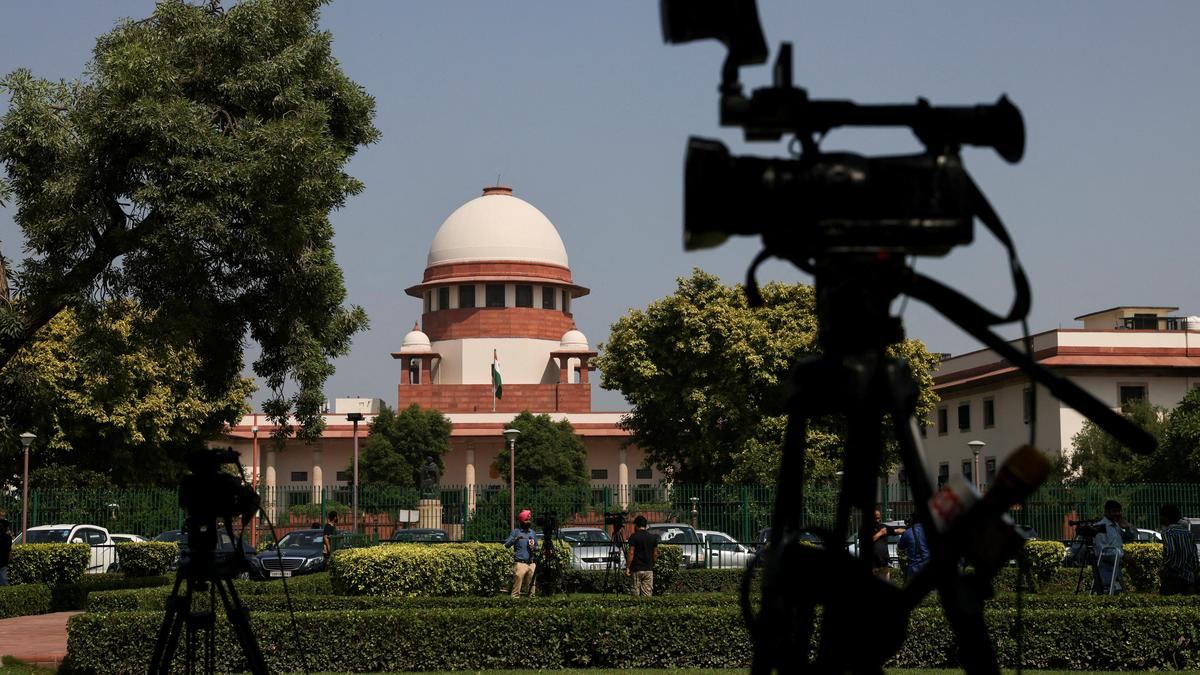
On January 19, 2026, the Supreme Court of India, headed by Chief Justice Surya Kant, responded to a petition filed by the NGO Atijeevan Society, seeking earmarked quotas and concessional train fares for acid attack victims (AAVs). The court issued a notice to the central government, requesting a response to the plea which argues that AAVs face significant financial burdens due to frequent travel for essential medical treatment and reconstructive surgeries. The petition highlights that AAVs, often from economically weaker sections, cannot afford frequent travel in air-conditioned train coaches, which is necessary due to the nature of their injuries.
Key Points:
- The Supreme Court is considering a plea for quota and fare concessions for acid attack victims (AAVs).
- The petition was filed by NGO Atijeevan Society.
- AAVs require frequent travel for life-saving and reconstructive treatment, often to metropolitan cities.
- The petition argues that the cost of air-conditioned train tickets is unaffordable for AAVs from economically weaker sections.
- AAVs are recognized as persons with specified disability under the Rights of Persons with Disabilities Act, 2016 (RPwD Act), but are excluded from railway fare concessions available to other PwDs.
- The petition argues that this exclusion violates Article 14 of the Constitution, which guarantees equality before the law.
Key Takeaways:
- The Supreme Court is actively addressing issues of social justice and accessibility for marginalized groups.
- The case highlights the financial hardships faced by acid attack victims in accessing necessary medical care.
- The legal challenge questions the fairness and constitutionality of existing railway fare concession policies for persons with disabilities.
- The outcome of this case could set a precedent for the rights and entitlements of AAVs in India.
- This case shows a developing awareness of the diverse needs of people with disabilities, beyond traditional categories.
 First Piper