
Mon Jan 19 11:35:36 UTC 2026: # Putin Invited to Trump’s “Board of Peace” Amidst Shifting Geopolitical Landscape
The Story
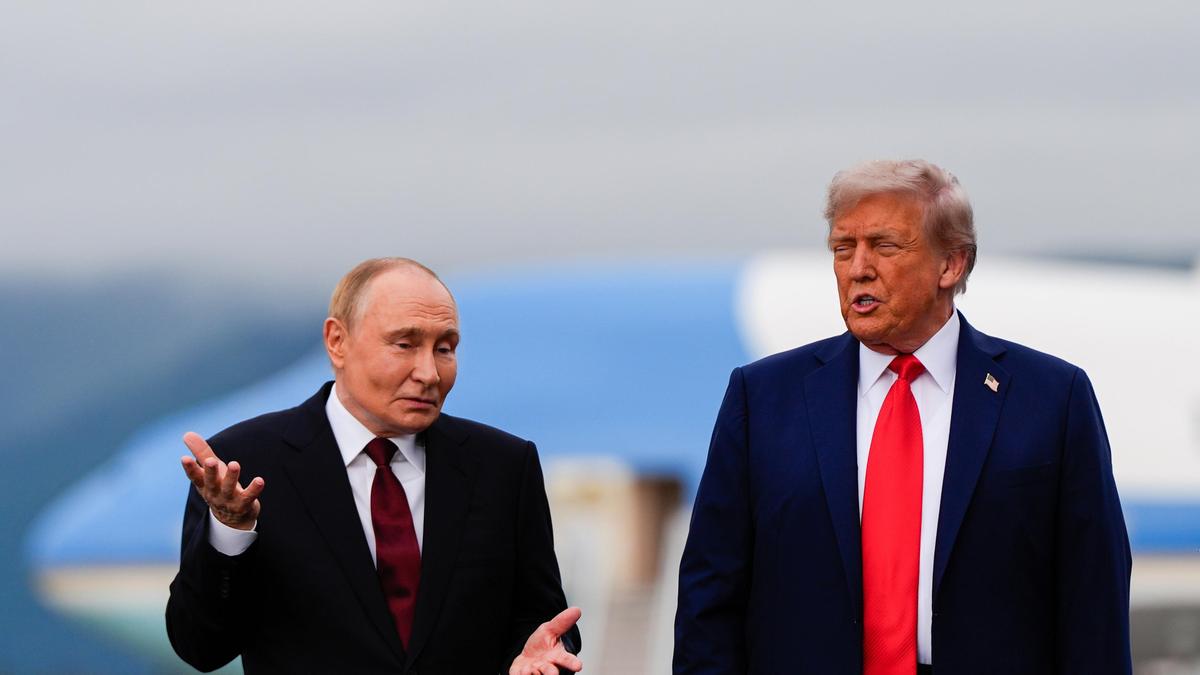
Russian President Vladimir Putin has been invited to join U.S. President Donald Trump’s “Board of Peace,” an initiative aimed at resolving global conflicts and overseeing governance and reconstruction in Gaza, according to Kremlin spokesman Dmitry Peskov on January 19, 2026. The invitation comes as Russia’s relationships with key players in the Middle East, particularly Israel, have shifted following the Israel-Hamas war and Russia’s ongoing assault on Ukraine. Moscow is seeking clarification on the details of the offer.
Key Points
- Putin has been invited to join Trump’s “Board of Peace,” which focuses on conflict resolution and Gaza reconstruction.
- Russia seeks clarification on the details of the invitation.
- Russia’s relations with Israel have strained due to the conflict in Ukraine and the Israel-Hamas war.
- Moscow has been strengthening ties with Iran and Gulf states amidst growing Western isolation.
- Putin previously praised Trump’s efforts in resolving complex crises.
Critical Analysis
The invitation to Putin to join the “Board of Peace” should be viewed in the context of Trump ramping up pressure on allies and seemingly aligning with geopolitical adversaries. The overtures toward Russia, coupled with reported mockery of NATO allies and the strange Greenland annexation comments, suggest a strategy that prioritizes individual deal-making over traditional alliances. The repeated allusions to Greenland and the EU show a pattern of mocking established alliances and norms.
Key Takeaways
- Trump’s foreign policy appears to be centered around unconventional alliances and a willingness to engage with countries often at odds with Western interests.
- The invitation highlights a significant shift in U.S.-Russia relations under a second Trump presidency, potentially at the expense of established alliances.
- The initiative aims to re-shape the dynamics in the Middle East.
- The “Board of Peace” initiative’s success hinges on the cooperation of actors with conflicting interests and agendas.
- The invitation signals a potential departure from traditional approaches to international diplomacy and conflict resolution.
Impact Analysis
The formation of this “Board of Peace” has the potential to dramatically alter the geopolitical landscape. If successful, it could lead to unprecedented levels of cooperation on critical issues like the Israeli-Palestinian conflict. However, the inclusion of Putin, given Russia’s ongoing actions in Ukraine and its shifting alliances in the Middle East, raises serious concerns about the board’s neutrality and potential for furthering Russia’s strategic interests. The strained relations with traditional allies due to Trump’s approach might further weaken the West’s influence on the world stage. The long-term impact will depend on the board’s actions and whether it can achieve tangible progress on conflict resolution, or it becomes a vehicle for advancing the interests of specific nations at the expense of global stability.
 First Piper