
Tue Jan 20 07:37:11 UTC 2026: Headline: Kerala Governor and Chief Minister Clash Over Policy Address, Sparking Constitutional Debate
The Story:
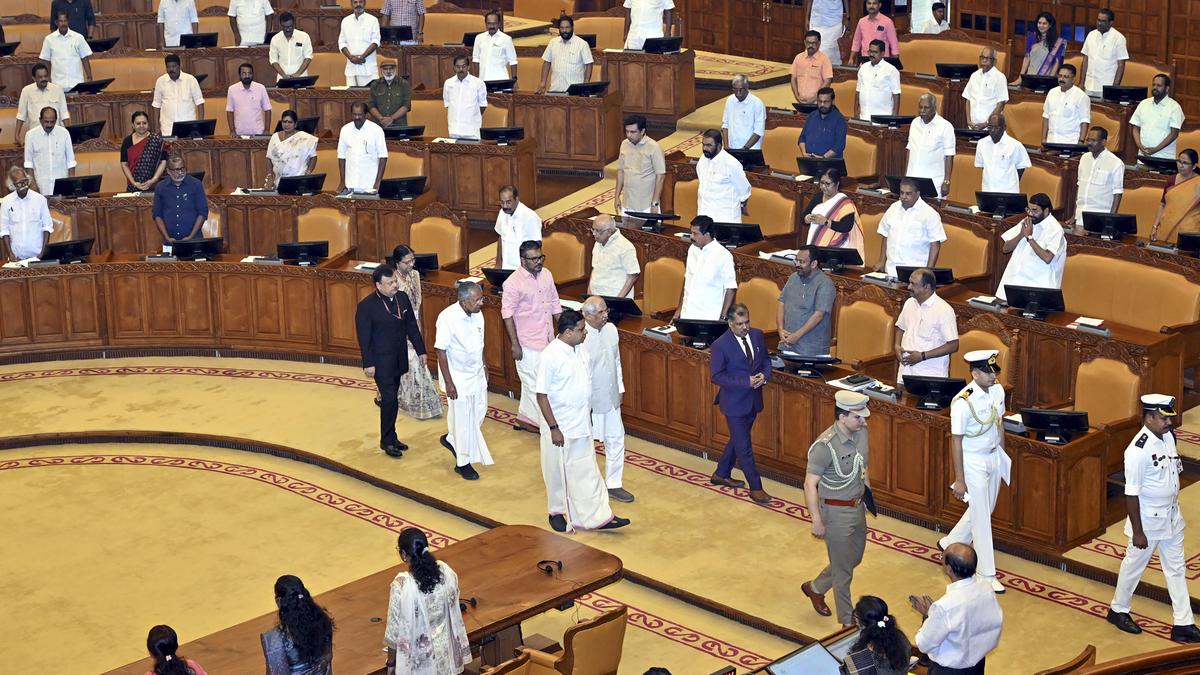
The Kerala Legislative Assembly experienced an unprecedented situation on January 20, 2026, as Chief Minister Pinarayi Vijayan publicly corrected the policy address delivered by Governor Rajendra Vishwanath Arlekar. This occurred immediately after the Governor’s departure, with Vijayan citing alterations made by Arlekar to paragraphs 12, 15, and 16 of the approved policy speech. These changes involved omissions and additions related to Kerala’s fiscal stress, pending state bills, and the state’s constitutional entitlements.
Vijayan asserted that the speech approved by the Cabinet would prevail, referencing constitutional precedents and the Governor’s role in presenting the state government’s policies. He emphasized that the distributed copies of the policy address would reflect the Cabinet-approved version. This incident highlights the strained relationship between the CPI(M)-led government and the Governor’s office, particularly concerning financial autonomy and legislative assent.
Key Points:
- On January 20, 2026, Kerala CM Vijayan corrected Governor Arlekar’s policy address after the Governor departed the Assembly.
- The Governor altered paragraphs 12, 15, and 16 of the approved speech, concerning fiscal stress, pending bills, and state entitlements.
- Vijayan declared the Cabinet-approved version of the speech would prevail, citing constitutional principles.
- The distributed copies of the policy address reflected the Cabinet-approved version.
- Relations between the Kerala government and the Governor have been strained in recent years, exemplified by previous incidents involving Governor Arif Mohammed Khan and delays in assent for bills.
- 14 Bills are currently awaiting assent by the Governor.
- This incident occurs during the first session of 2026, the final session of the 15th Kerala Assembly, with elections due later this year.
Critical Analysis:
The events in Kerala are part of a larger pattern of friction between state governments and Governors, particularly in states governed by parties different from the ruling party at the Union level. The related news items highlight similar issues in Tamil Nadu, including the Governor walking out of the Assembly and legal battles over the Enforcement Directorate. The core issue revolves around the interpretation of federalism, with state governments accusing Governors of overstepping their bounds and undermining state autonomy, particularly in fiscal matters and legislative processes. These instances indicate a deepening struggle for power and influence between the states and the Union government, often played out through the office of the Governor.
Key Takeaways:
- Constitutional interpretations of federalism are a growing point of contention between state governments and Governors.
- The Kerala incident underscores the ongoing power struggle between state and Union governments, especially concerning fiscal autonomy and legislative assent.
- The Governor’s role in state governance is becoming increasingly politicized, leading to constitutional impasses.
- The timing of this event, occurring during the Budget session and ahead of state elections, adds another layer of political significance.
Impact Analysis:
The Kerala situation, mirrored by similar events in other states, has the potential for significant long-term impact.
- Judicial Review: Increased likelihood of legal challenges reaching the Supreme Court, seeking clarification on the powers and limitations of Governors, potentially reshaping the contours of Indian federalism.
- Erosion of Trust: The ongoing conflict could erode public trust in constitutional offices and democratic institutions, leading to political instability.
- Legislative Gridlock: Continued delays in assent to bills could stall crucial development projects and welfare schemes, impacting the overall progress of the state.
- Political Polarization: These events will likely exacerbate political polarization, with states and the Union government taking increasingly entrenched positions, hindering cooperative governance.
 First Piper