
Tue Jan 20 16:20:55 UTC 2026: # Forced Evacuations Resume in Gaza Despite Ceasefire
The Story:
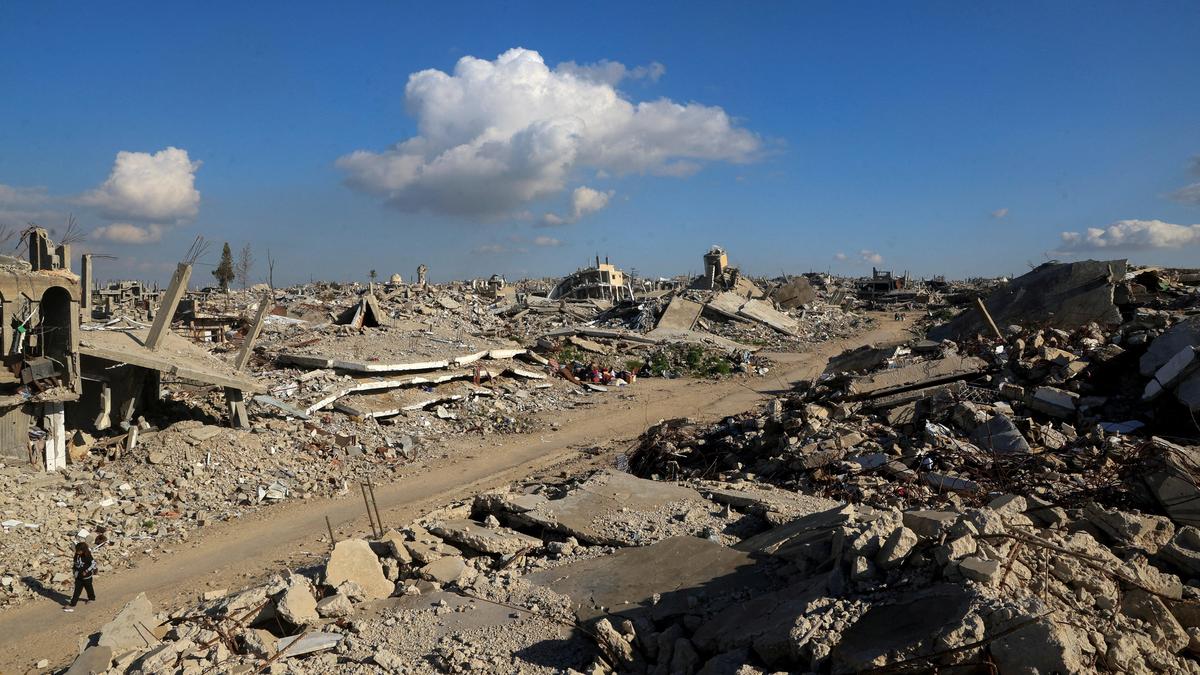
Israeli forces have initiated forced evacuations in the southern Gaza Strip, specifically in the Bani Suhaila area east of Khan Younis, marking the first such action since the October 2025 ceasefire. Residents received leaflets in Arabic, Hebrew, and English, ordering them to immediately evacuate due to the area being under IDF control. The move has displaced dozens of Palestinian families already living in precarious conditions in tent encampments and partially damaged homes.
The evacuations are viewed by residents and Hamas as a violation of the ceasefire agreement. According to Hamas officials, the Israeli military has expanded its controlled area within Gaza multiple times since the ceasefire, leading to the displacement of thousands. This action has exacerbated the already dire humanitarian situation in the region, where the majority of Gaza’s population is confined to a limited area with limited resources.
Key Points:
- Israeli forces ordered the evacuation of Palestinian families in Bani Suhaila, east of Khan Younis on January 19, 2026.
- Leaflets dropped by the IDF cited that the area was under IDF control as the reason for the evacuation.
- This is the first forced evacuation since the October 2025 ceasefire.
- Hamas officials claim Israel has expanded its controlled area five times since the ceasefire, displacing approximately 9,000 people.
- The evacuation order impacts at least 70 families, or about 3,000 people, according to Hamas.
- More than 460 Palestinians and three Israeli soldiers have been killed since the ceasefire began.
- Israel’s operations in Gaza began in response to an attack by Hamas in October 2023 which killed 1,200 Israelis. The assault has killed 71,000 Palestinians, according to Gaza health authorities.
- The U.S.-brokered ceasefire has only progressed through its first phase, with major disagreements hindering further progress.
- U.S. President Donald Trump’s plan includes Hamas disarming, Israel pulling out further, and an internationally backed administration rebuilding Gaza.
Critical Analysis:
The historical context provided earlier on January 20, 2026, “Israel bulldozes UNRWA buildings in occupied East Jerusalem”, suggests a pattern of Israeli actions that undermine Palestinian infrastructure and housing, even after the ceasefire. The evacuations, combined with the demolition of UNRWA buildings, indicate a continued effort to assert control over territory and displace the Palestinian population, potentially hindering the long-term stability of the region and further complicating the already fragile ceasefire agreement. This action is likely to increase resentment and distrust, making future negotiations even more challenging.
Key Takeaways:
- The forced evacuations represent a significant setback to the ceasefire agreement between Israel and Hamas.
- The expansion of Israeli-controlled territory within Gaza exacerbates the humanitarian crisis and increases internal displacement.
- Accusations of ceasefire violations by both sides highlight the fragility of the current agreement.
- The resumption of evacuations will likely further strain relations between Israel and Palestine, impacting future negotiations.
- The lack of progress beyond the initial phase of the ceasefire underscores the deep-seated challenges in achieving a lasting resolution.
Impact Analysis:
The resumption of forced evacuations threatens the viability of the already tenuous ceasefire. This action undermines the possibility of further negotiations outlined in the U.S. President Donald Trump’s plan. Increased displacement, further strained relations, and the potential for renewed violence pose significant risks to long-term stability. The international community faces the challenge of addressing the immediate humanitarian crisis and working toward a sustainable solution that addresses the underlying issues driving the conflict. The ongoing displacements further entrench the cycle of conflict and resentment, making a lasting peace more difficult to achieve.
 First Piper