
Tue Jan 20 08:00:00 UTC 2026: ### India and Poland Clash Over Regional Security and Energy Policies
The Story:
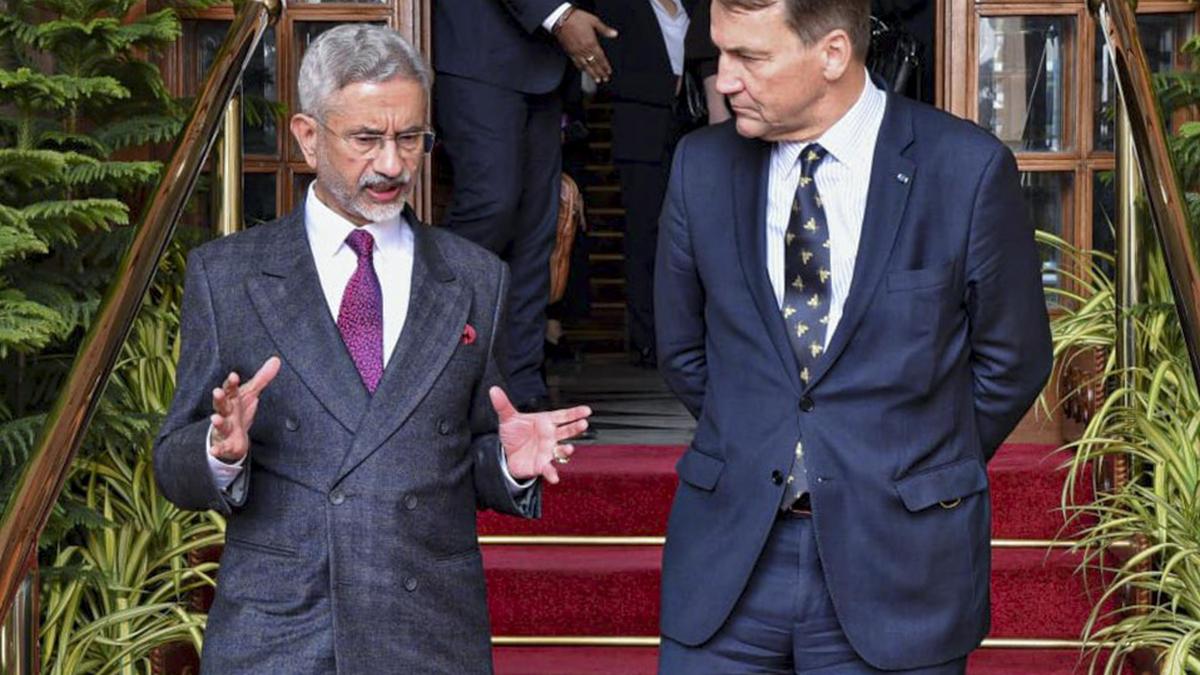
During a meeting in New Delhi on January 19, 2026, Indian External Affairs Minister S. Jaishankar and Polish Foreign Minister and Deputy Prime Minister Radoslaw Sikorski publicly aired their disagreements regarding Pakistan and Russia. Jaishankar voiced India’s concerns over Poland’s renewed ties with Pakistan, cautioning against actions that could “fuel” terrorism. He also criticized the European Union’s “selective targeting” of India concerning trade and oil imports from Russia. Sikorski, in turn, expressed concerns about India’s participation in the Zapad-2025 military exercises with Russia and Belarus, viewing them as “threatening.”
Despite a recent warming of relations, the exchange highlighted significant divergences in foreign policy perspectives. The spat occurred ahead of a major EU-India trade agreement expected the following week and amidst a series of visits by high-level European leaders to India.
Key Points:
- Jaishankar criticized Sikorski’s visit to Pakistan in October 2025, following the India-Pakistan conflict in May, expressing concerns about Poland’s potential support for terrorism.
- Sikorski raised concerns about India’s participation in Zapad-2025 military exercises with Russia and Belarus.
- Jaishankar accused the EU of “selective targeting” of India, referencing sanctions against Nayara Energy, a partially Russian-owned refinery in India, and other Indian companies.
- Sikorski publicly stated his satisfaction with India’s reduction of Russian oil imports.
- Trade between India and Poland has increased by 200% in the past decade to $7 billion.
Critical Analysis:
The clash reveals deeper strategic divergences despite growing economic ties. Poland, deeply concerned about Russian aggression in Eastern Europe, sees India’s continued engagement with Russia, including military exercises and energy imports, as problematic. India, on the other hand, prioritizes its own security concerns in its neighborhood, particularly regarding Pakistan-sponsored terrorism, and resists external pressure on its energy policy.
Key Takeaways:
- India is increasingly assertive in defending its strategic autonomy and resisting perceived double standards from Western nations regarding relations with both Russia and Pakistan.
- Poland’s foreign policy is heavily influenced by its threat perception of Russia, impacting its relationships with countries like India that have different threat assessments.
- The incident underscores the complexities of navigating international relations in a multi-polar world where shared economic interests do not necessarily translate into aligned geopolitical strategies.
- The public airing of these disagreements suggests a deliberate signaling of each country’s red lines, potentially impacting future diplomatic engagements.
- Despite the tension, both sides appear committed to maintaining dialogue, evident in their emphasis on shared concerns about terrorism and ongoing efforts to enhance trade and technological cooperation.
Impact Analysis:
The India-Poland spat could have several long-term implications:
- EU-India Trade Negotiations: The EU may need to soften their stance on sanctions against Indian entities to avoid derailing the EU-India trade agreement.
- Geopolitical Alignment: India may need to rethink its alignment with Russia to prevent a clash with EU allies in the future.
- Regional Security: Poland may try to enhance the regional security around India, which might not sit well with India’s existing foreign policy.
 First Piper