
Sun Jan 18 15:42:19 UTC 2026: # Poland Courts India Amidst Shifting Global Alliances
The Story:
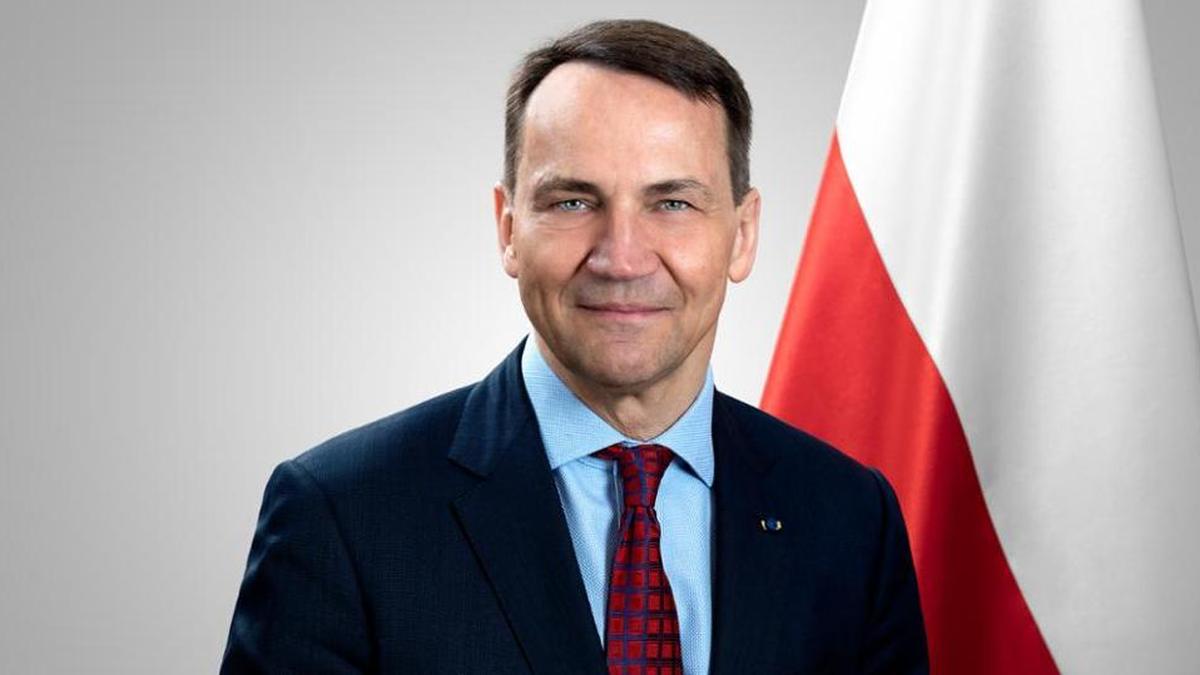
Deputy Prime Minister and Foreign Minister of Poland, Radoslaw Sikorski, engaged with The Hindu at the Jaipur Literature Festival on January 18, 2026, emphasizing the importance of India-Poland relations amidst the backdrop of the Russia-Ukraine war. Sikorski expressed Poland’s satisfaction with India’s reduced dependence on Russian oil and advocated for a closer understanding between the two nations concerning the ongoing conflict. He also indicated optimism regarding the EU-India Free Trade Agreement (FTA), hoping for its signing at the upcoming EU-India summit on January 27.
Sikorski’s visit is one of many high-level visits from Europe to India this month. His commentary touched on sensitive topics, including India’s historical relationship with Russia, the Gaza conflict, and internal dynamics within NATO, aiming to bridge differing perspectives on international law and geopolitical strategies. He also avoided commenting on Pakistan’s cross-border terrorism when prompted by NDTV during his India visit.
Key Points:
- Radoslaw Sikorski highlighted the need for borders to be determined by negotiation, not force, implicitly referencing the Russia-Ukraine war.
- Poland is “pleased” that India has begun reducing its dependence on Russian oil, which Sikorski hopes is a permanent shift.
- Sikorski acknowledged India’s historical ties with Russia, including investments in Russian military equipment, but pointed out the ineffectiveness of said equipment.
- The Polish Foreign Minister expressed disagreement with the interpretation that Europe values lives in the West more than those in the non-Western world. He attempted to justify perceived inconsistencies in responses to conflicts such as the Russia-Ukraine war versus the Israeli war in Gaza by citing Hamas’s initial attacks.
- Sikorski hopes the EU-India FTA will be signed at the EU-India summit on January 27.
- Poland supports creative solutions to the Gaza conflict and provides humanitarian assistance and student grants to Palestinians.
Critical Analysis:
The timing of Sikorski’s visit and statements highlights a strategic effort by Poland, and likely the broader EU, to solidify relationships with India amidst evolving geopolitical dynamics. The context of the U.S. push for tariffs and internal divisions within NATO, as hinted at by Sikorski, suggests that European nations are actively seeking alternative alliances and trade partnerships to mitigate potential economic and security risks. The focus on India’s shift away from Russian oil is significant, underscoring the importance of diversifying energy sources and reducing reliance on Russia in the face of ongoing sanctions. Finally, the walk-away response to a direct question about Pakistan’s cross-border terrorism by NDTV, points to a strategic alignment with India that does not allow for open criticism of its bordering countries.
Key Takeaways:
- Poland is actively courting India as a strategic partner in the context of the Russia-Ukraine war and shifting global alliances.
- The EU-India FTA is a priority, spurred by concerns over U.S. trade policies and a desire for greater economic independence.
- Poland seeks to influence India’s stance on Russia, while acknowledging the complexities of their historical relationship.
- Perceptions of double standards in international law, particularly concerning conflicts in non-Western regions, remain a point of contention.
- NATO faces internal challenges related to trade and security, prompting European nations to seek diversified partnerships.
Impact Analysis:
The strengthening of ties between Poland (and the EU) and India has long-term implications for global trade, security, and diplomatic alignments. A successful EU-India FTA could reshape trade flows and reduce dependence on other major economies. Increased cooperation between India and European nations could also provide a counterweight to Russian and Chinese influence in certain regions. The shifting dynamics within NATO, coupled with the growing importance of the Indo-Pacific region, signal a potential realignment of global power structures. Further partnerships with India could be beneficial to the EU in keeping with its foreign policy goals of strengthening alliances globally.
 First Piper