
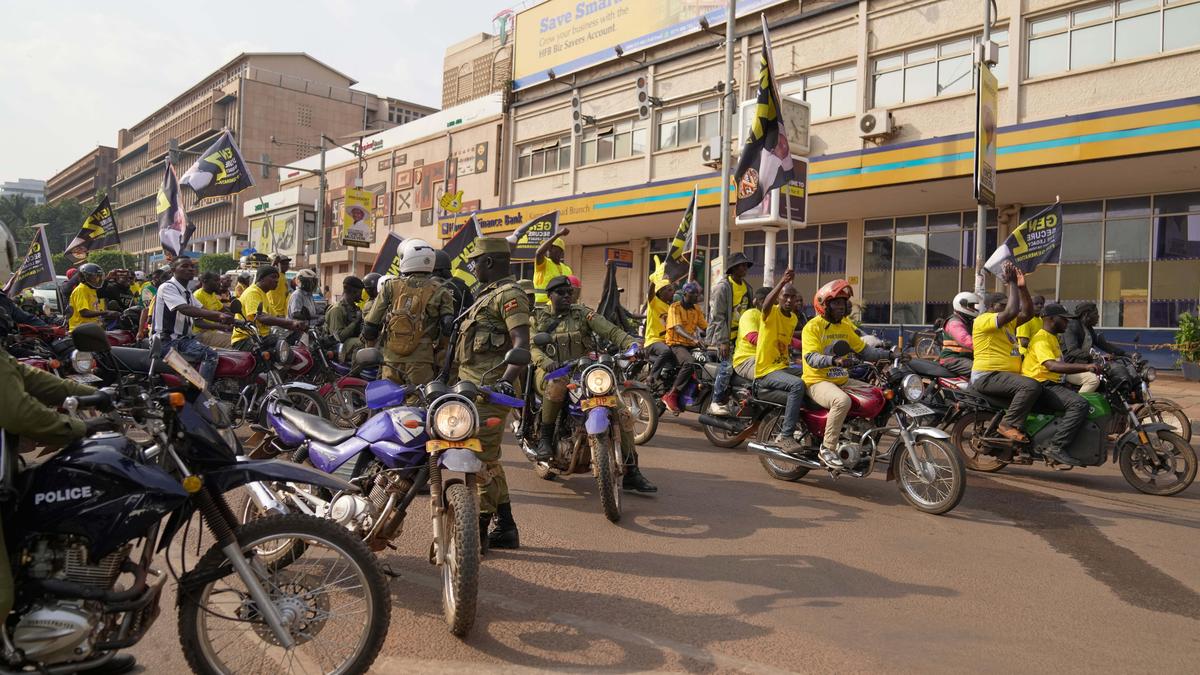
Sun Jan 18 13:59:22 UTC 2026: # Uganda Maintains Social Media Ban Despite Lifting Internet Block After Contested Election
The Story:
Uganda has partially lifted a nationwide internet blackout imposed two days before the January 15, 2026, presidential election, but continues to restrict access to social media platforms. This decision comes as longtime President Yoweri Museveni was declared the winner, a result disputed by the opposition. The government justifies the ongoing social media ban by citing the need to prevent the spread of misinformation and maintain public order. The move draws criticism from the United Nations, which calls the initial internet shutdown “deeply worrying.”
Key Points:
- Uganda blocked the internet two days before the January 15, 2026, presidential election.
- President Yoweri Museveni was declared the winner of the election.
- The government lifted the internet block but maintains a ban on social media platforms.
- The government claims the social media ban is to prevent misinformation and maintain public order.
- The United Nations criticized the initial internet shutdown as “deeply worrying.”
- Small-scale protests were reported in Kampala after the election results.
- George Nyombi Thembo, executive director of Uganda Communications Commission (UCC), confirmed the ongoing social media restriction.
Critical Analysis:
The timing of the internet and social media shutdowns, immediately preceding and following the election, strongly suggests an attempt by the Museveni government to control the narrative and suppress dissent. This aligns with the analysts’ view that the Ugandan election is a formality controlled by Mr. Museveni. The claim of preventing “misinformation” appears to be a pretext for censorship, particularly in light of Mr. Museveni labeling the opposition as “terrorists” in his victory speech. The comparison drawn to the security deployments in Tanzania’s recent election highlights a regional trend of governments employing restrictive measures to stifle opposition and manage public perception during elections.
Key Takeaways:
- The Ugandan government is actively using internet and social media restrictions as a tool to manage political discourse during elections.
- The actions taken by the government raise serious concerns about freedom of expression and democratic processes in Uganda.
- International scrutiny and condemnation of these actions have had limited impact on the government’s policy.
- The event shows how social media has become an instrumental part of political discourse in modern African societies.
- The government’s control over the media and communications infrastructure has allowed Mr. Museveni to continue exerting complete control over the elections.
Impact Analysis:
The ongoing social media ban will likely have several long-term implications. Firstly, it sets a precedent for future elections in Uganda and potentially other countries in the region. Secondly, it damages Uganda’s reputation internationally and may affect its relationships with donor countries and international organizations. Thirdly, it will likely drive citizens to adopt alternative communication methods, potentially including encrypted messaging apps and VPNs, making government surveillance more difficult in the long run. Finally, it is likely to further radicalize opposition groups who see little avenue for legitimate political expression. The long-term consequences for Ugandan society and its political stability remain uncertain but are undoubtedly negative.
 First Piper