
Mon Jan 19 18:01:30 UTC 2026: # India Focuses on Youth, Women, Poor, and Farmers for “Viksit Bharat” Vision
The Story
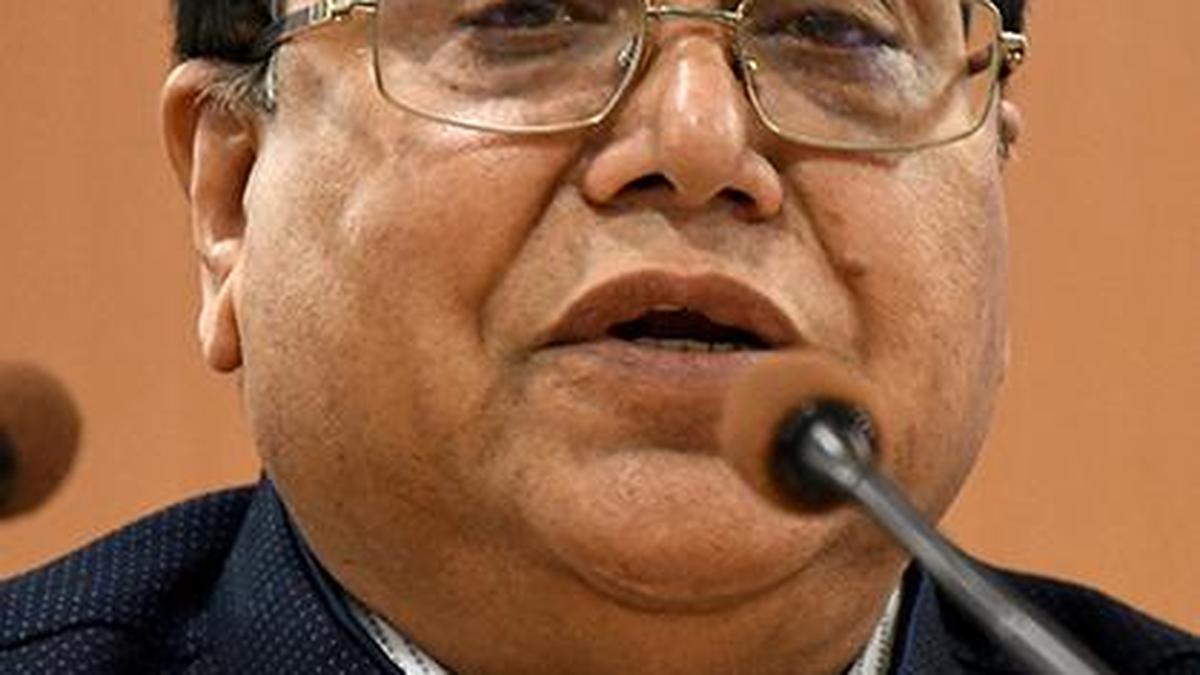
On January 19, 2026, V.K. Saraswat, a noted scientist and member of NITI Aayog, delivered a convocation address at Chanakya University, outlining the foundational pillars of India’s vision for a “Viksit Bharat” (Developed India). He emphasized the critical role of youth, women, the poor, and farmers in achieving this goal. Saraswat highlighted the need for innovation, ethical leadership, and the integration of traditional wisdom with modern science to drive progress across these key demographics.
Saraswat asserted that knowledge, innovation, and technology must be strategically directed to expand opportunities, enhance productivity, and secure dignity for these core constituents. He pointed to India’s unique position, leveraging its demographic advantage with a large youth population to transform its potential into global leadership. He cautioned the graduating students that the choices they make now will determine whether India’s rise is merely transactional or truly transformational.
Key Points
- V.K. Saraswat identified youth, women, the poor, and farmers as the foundational pillars of India’s vision.
- He stressed the importance of innovation, ethical leadership, and harmonizing traditional wisdom with modern science.
- Knowledge applied to agriculture can improve productivity, empowering women multiplies socio-economic outcomes, and uplifting the poor converts welfare into wealth creation.
- India aims not only to achieve Viksit Bharat by 2047 but also to shape global agendas and define technological standards.
- India has a cohort of over 356 million young people.
Critical Analysis
The historical context provided, particularly the focus on women’s rights and empowerment, reinforces Saraswat’s emphasis on women as a key pillar. The news items about enhanced assistance to women, campaigns to empower women, and debates around women’s rights in live-in relationships suggest a sustained national focus on addressing gender inequality and promoting women’s advancement. This context makes Saraswat’s statement less of a standalone declaration and more of a continuation of ongoing policy discussions and initiatives. The timing of the speech further emphasizes the current focus on women’s issues within India.
Key Takeaways
- India’s vision for “Viksit Bharat” hinges on the progress and empowerment of its youth, women, poor, and farmers.
- The strategy involves leveraging knowledge, innovation, and technology to drive productivity and secure dignity for these groups.
- India aims to transition from a follower to a leader in shaping global agendas and technological standards.
- The emphasis on ethical leadership suggests a concern for inclusive and sustainable development.
- India’s large youth population is seen as a key asset in achieving its developmental goals.
Impact Analysis
The emphasis on these four pillars (youth, women, poor, and farmers) signals a potential shift in policy priorities and resource allocation towards these demographics. This could lead to increased investment in education, healthcare, skill development, and agricultural innovation. Long-term, a successful execution of this vision could result in a more equitable society, a stronger economy, and a more influential role for India on the global stage. The focus on sustainable and inclusive development suggests an awareness of the environmental and social challenges associated with rapid economic growth.
 First Piper