
Mon Jan 19 07:19:29 UTC 2026: ### Japan’s Nuclear Restart Stalls Amidst Safety Concerns
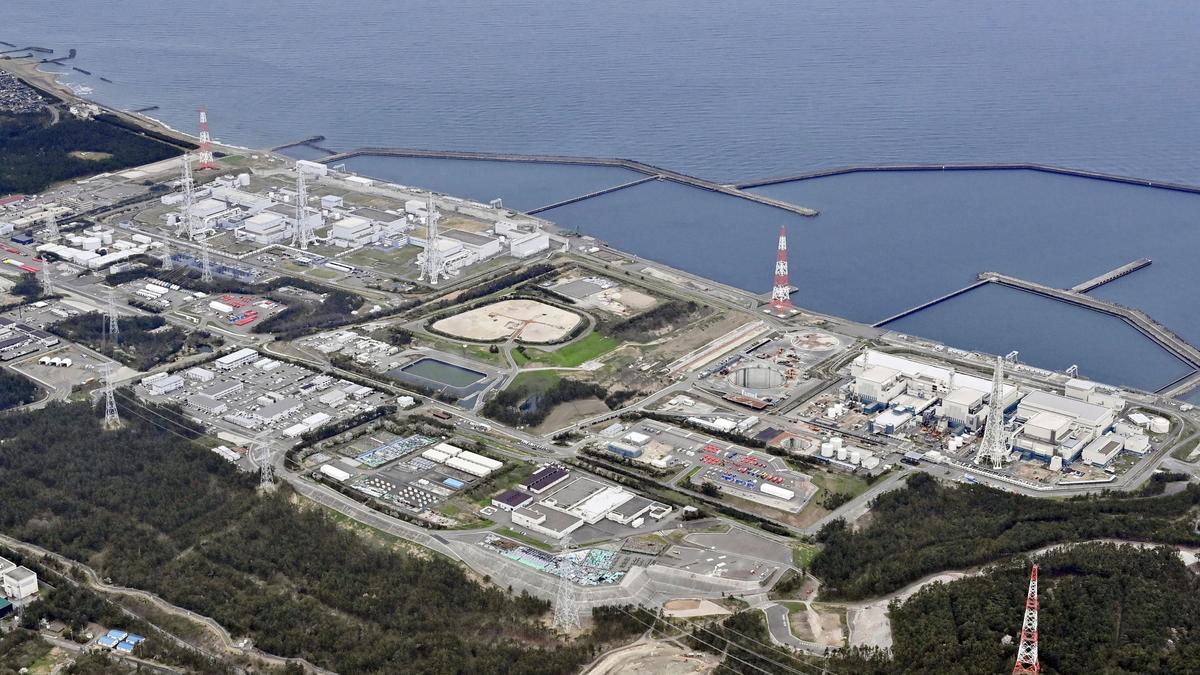
The Story: Tokyo Electric Power (TEPCO) has announced a delay in the planned restart of its Kashiwazaki-Kariwa nuclear power plant, initially scheduled for Tuesday, January 20, 2026. This setback, reported by NHK on Monday, January 19, 2026, is attributed to an alarm malfunction during equipment testing. The Kashiwazaki-Kariwa plant, the world’s largest nuclear power plant with a total capacity of 8.2 gigawatts, has been offline since the 2011 Fukushima Daiichi disaster.
The restart of Unit No. 6, with a capacity of 1.36 GW, was slated for February 26, 2026, as part of Japan’s broader effort to enhance energy security and reduce reliance on fossil fuel imports. Prime Minister Sanae Takaichi has been advocating for new reactor construction, including exploring public funding mechanisms.
Key Points:
- TEPCO delays Kashiwazaki-Kariwa nuclear power plant restart due to an alarm malfunction.
- Unit No. 6 restart was initially scheduled for January 20, 2026, and commercial operations were to resume on February 26, 2026.
- Kashiwazaki-Kariwa is the world’s largest nuclear power plant, with a total capacity of 8.2 gigawatts.
- The restart is viewed as a crucial test for TEPCO and Japan’s nuclear power industry.
- Prime Minister Takaichi is pushing for new reactor build-ups to bolster energy security.
- Japan shut down all reactors after the 2011 Fukushima meltdown and has restarted 14 of 33 operable reactors.
- Japan’s nuclear watchdog ordered Chubu Electric Power to submit a report on falsified seismic data.
Critical Analysis:
The delay in restarting Kashiwazaki-Kariwa reflects the deep-seated public anxiety and heightened regulatory scrutiny surrounding nuclear power in Japan following the Fukushima disaster. The concurrent incident involving Chubu Electric Power and falsified seismic data further underscores the sensitivity of safety concerns within the nuclear industry. These events are happening because there is immense political pressure to bring nuclear power plants back online to meet growing energy demands and lessen reliance on fossil fuels. At the same time, every misstep or safety concern amplifies the public’s post-Fukushima skepticism.
Key Takeaways:
- Public trust remains a significant hurdle for the Japanese nuclear power industry.
- Safety and transparency are paramount for gaining public and regulatory approval for nuclear restarts.
- Japan’s energy security goals are intertwined with the successful and safe operation of its nuclear power plants.
- Any incident, even seemingly minor, can have significant repercussions on restart timelines and public confidence.
- The political will to promote nuclear energy faces considerable challenges due to safety and public apprehension.
Impact Analysis:
The delayed restart of Kashiwazaki-Kariwa has several potential impacts. Firstly, it could prolong Japan’s reliance on imported fossil fuels, impacting the nation’s energy security and potentially increasing energy costs. Secondly, it casts doubt on TEPCO’s ability to manage nuclear operations effectively, potentially affecting future restart approvals for other reactors. Thirdly, it provides ammunition for opponents of nuclear power, who argue that the risks outweigh the benefits. Furthermore, the Prime Minister’s push for new reactor construction and public funding mechanisms faces even greater scrutiny, potentially stalling further nuclear expansion plans. This entire scenario has serious implications for the Japanese economy and its carbon footprint, as well as investor confidence in the country’s energy sector.
 First Piper