
Sun Jan 18 19:06:40 UTC 2026: # Trump’s Gaza Peace Initiative: India and Pakistan Invited to Board of Peace
The Story:
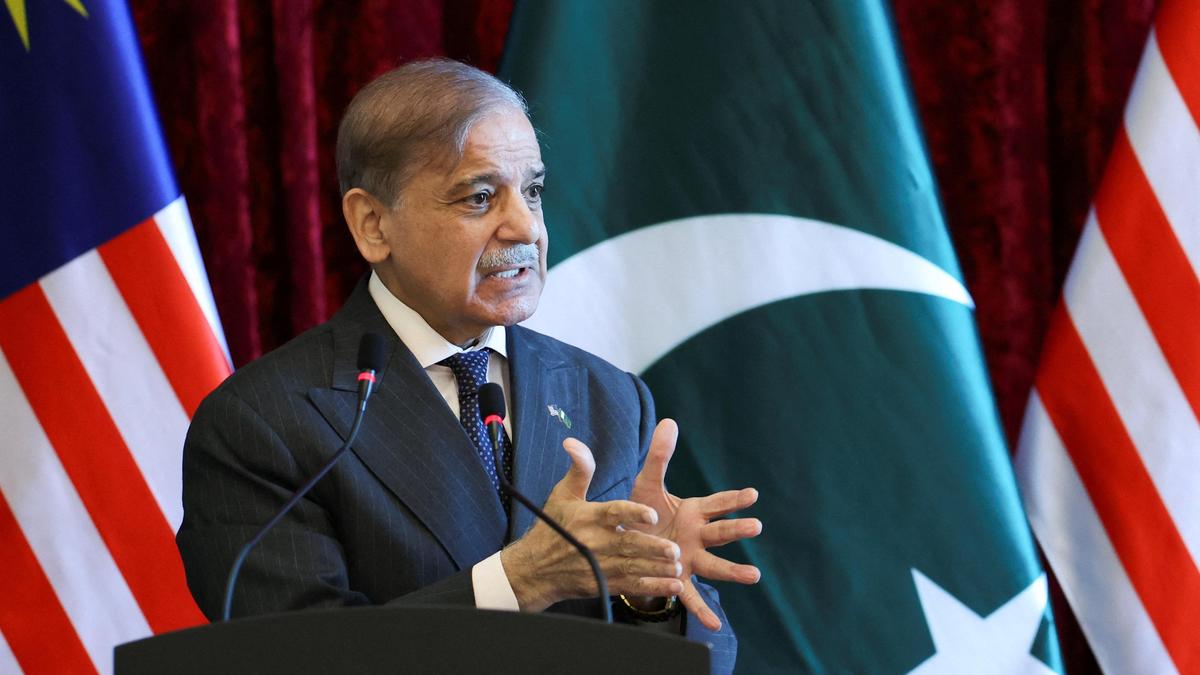
On January 18, 2026, Pakistan confirmed that Prime Minister Shehbaz Sharif received an invitation from U.S. President Donald Trump to join the “Board of Peace for Gaza.” Sources in New Delhi also indicated that India has received a similar invitation. The announcement comes as the U.S. moves into the second phase of President Trump’s 20-point peace plan for Gaza. The Board will comprise leaders with experience in diplomacy, development, infrastructure, and economic strategy.
The White House has invited heads of approximately 60 states to join the peace body, including Turkiye, Egypt, Argentina, Indonesia, Italy, Morocco, the U.K., Germany, Canada, and Australia. President Trump will chair the board, which also includes prominent figures such as U.S. Secretary of State Marco Rubio, former British Prime Minister Tony Blair, World Bank President Ajay Banga, and Trump’s senior negotiators Jared Kushner and Steve Witkoff.
Key Points:
- Pakistan confirms Prime Minister Shehbaz Sharif’s invitation to the Board of Peace for Gaza on January 18, 2026.
- India has also been invited to join the Board.
- At least four other countries – Hungary, Jordan, Greece, and Cyprus – also received invitations.
- President Trump has declared himself the chair of the Board.
- The Board comprises leaders with experience in diplomacy, development, infrastructure, and economic strategy.
- The invitation is extended to approximately 60 states, including major global powers.
Key Takeaways:
- The inclusion of both India and Pakistan on the Board of Peace for Gaza suggests a strategic effort to involve key regional stakeholders in resolving the Israel-Palestine conflict.
- President Trump’s active role as chair indicates a high level of U.S. commitment to the initiative.
- The diverse composition of the Board, including figures from various sectors and nations, signals a comprehensive approach to peace-building.
Impact Analysis:
The formation of the Board of Peace for Gaza, spearheaded by the U.S. and involving a broad coalition of international actors, could significantly impact the trajectory of the Israel-Palestine conflict. If the Board can effectively leverage its diverse expertise and influence, it may foster dialogue, facilitate development, and contribute to a lasting solution. However, the success of the initiative will depend on the willingness of all parties to engage constructively and address the underlying issues fueling the conflict. The inclusion of India and Pakistan, despite their historical tensions, presents both an opportunity and a challenge, as their cooperation could be crucial to regional stability and the overall success of the peace process.
 First Piper