
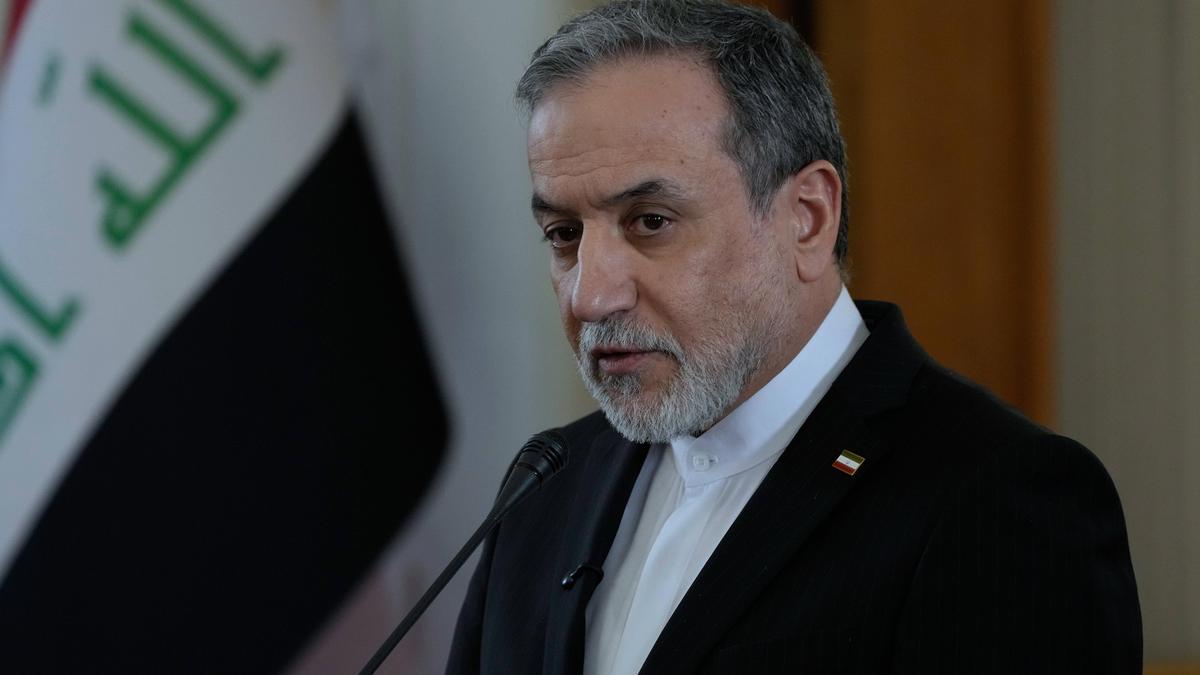
Mon Jan 19 13:25:15 UTC 2026: ### Iran’s Foreign Minister Barred from Davos Amidst Crackdown Condemnation
The Story:
Iran’s Foreign Minister, Abbas Araghchi, will not attend the World Economic Forum (WEF) in Davos, Switzerland, this week. Organizers announced the decision on January 19, 2026, citing the recent deadly crackdown on protesters in Iran. Araghchi had been scheduled to speak on January 20. Activists had pressured the WEF to disinvite him in response to what they called a “massacre” of demonstrators.
Demonstrations, which began in late December 2025, were fueled by economic hardship and are considered one of the most significant challenges to the Iranian leadership in recent years. The rallies reportedly subsided after a government crackdown initiated around January 8, 2026, accompanied by a communications blackout. The Norway-based Iran Human Rights group claims to have verified 3,428 protester deaths at the hands of security forces, a figure the media cannot independently confirm.
Key Points:
- The World Economic Forum (WEF) disinvited Iranian Foreign Minister Abbas Araghchi from the 2026 Davos summit.
- The decision was attributed to the “tragic loss of lives of civilians in Iran” during recent protests.
- Protests in Iran were sparked by economic hardship and began in late December 2025.
- Iran Human Rights claims that security forces killed 3,428 protesters.
- The Iranian government has not provided an exact death toll.
Critical Analysis:
The decision to disinvite the Iranian Foreign Minister underscores the increasing international scrutiny of Iran’s human rights record. The timing of the decision, immediately following reports of a severe crackdown on protesters, suggests a direct link between the Iranian government’s actions and its standing on the global stage. The pressure from activists and human rights organizations likely played a significant role in influencing the WEF’s decision.
Key Takeaways:
- The international community is increasingly willing to take tangible actions in response to human rights violations within Iran.
- Civil society and human rights organizations are playing a key role in shaping international responses to domestic events in Iran.
- Iran’s domestic policies directly impact its ability to engage with international forums and organizations like the World Economic Forum.
- The WEF’s decision reflects a broader trend of holding governments accountable for their treatment of their own citizens.
Impact Analysis:
This event is significant because it demonstrates the increasing interconnectedness of domestic and foreign policy. Iran’s actions at home have clear ramifications for its international relationships. This signals a potential shift in how global elites engage with nations accused of human rights abuses. The decision may further isolate Iran diplomatically and economically, potentially exacerbating existing tensions. The long-term impact will depend on whether this isolated incident becomes part of a broader pattern of international pressure and whether it leads to any changes in Iran’s domestic policies.
 First Piper