
Mon Jan 19 07:07:10 UTC 2026: ### Headline: Madras High Court Orders Surprise Inspections to Enforce Priority Seating for Senior Citizens and PwDs on Chennai Metro
The Story
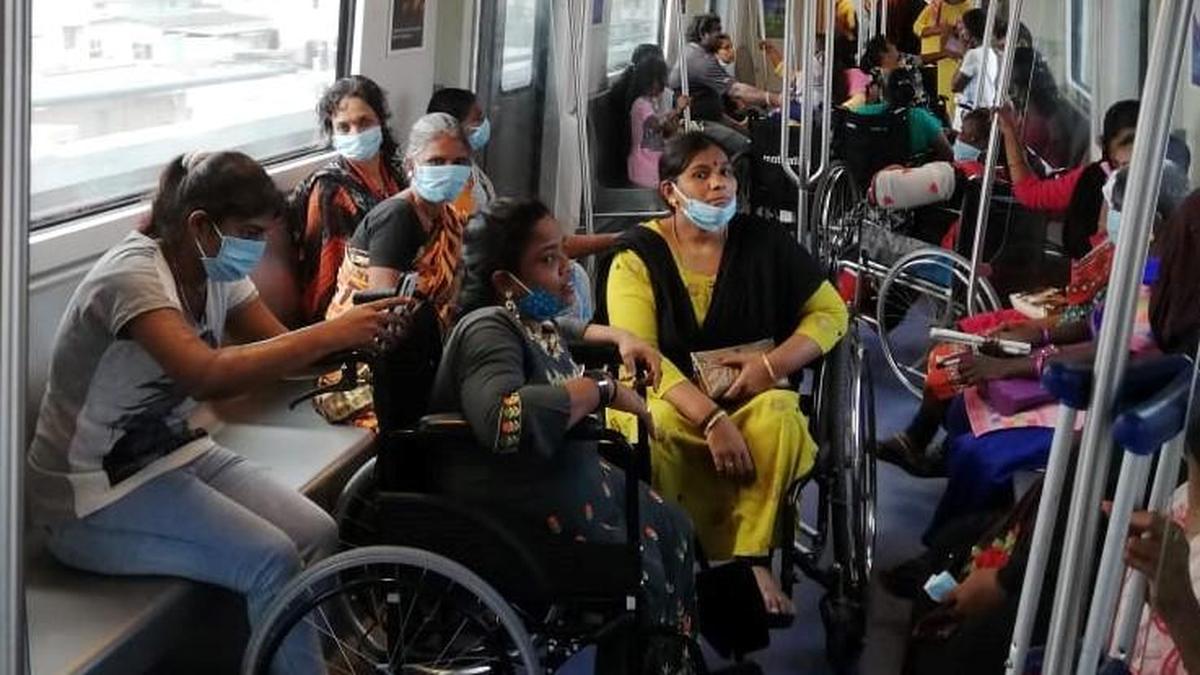
On January 19, 2026, the Madras High Court instructed Chennai Metro Rail Limited (CMRL) to conduct surprise inspections on Metro trains to ensure senior citizens and persons with disabilities (PwDs) are afforded priority seating. The directive came in response to a public interest litigation (PIL) filed by advocate V.B.R. Menon, who argued that the current system of priority seating, marked only by stickers, is ineffective as able-bodied men often occupy these seats and fail to yield them to those in need.
The court, comprising Chief Justice Manindra Mohan Shrivastava and Justice G. Arul Murugan, acknowledged the petitioner’s concerns. While not immediately mandating reserved seating similar to women-only coaches, the court emphasized the importance of enforcing the existing priority seating policy through proactive monitoring and action against violators. State Government Pleader A. Edwin Prabakar stated that CMRL has initiated oral announcements regarding priority seating and that passengers could lodge complaints via intercom.
Key Points
- The Madras High Court ordered CMRL to conduct surprise inspections to enforce priority seating for senior citizens and PwDs.
- The order resulted from a PIL filed by advocate V.B.R. Menon.
- The petitioner argued the current “priority seating” system, using stickers, is ineffective.
- The court stopped short of mandating fully reserved seating for senior citizens and PwDs.
- CMRL claims to have implemented oral announcements regarding priority seating and has a complaint mechanism via intercom.
Key Takeaways
- The ruling highlights ongoing challenges in ensuring accessibility and inclusivity in public transportation, even with established policies.
- The court’s emphasis on surprise inspections suggests a lack of confidence in CMRL’s current enforcement mechanisms.
- The case underscores the importance of active citizen engagement (through PILs) in holding public services accountable.
- While reserved seating was not mandated, the court left the door open for CMRL to consider it, suggesting possible future changes in policy.
- The incident demonstrates that simply having policies in place is not enough; enforcement and public awareness are equally crucial.
 First Piper