
Sat Jan 17 19:35:00 UTC 2026: ### Iran Faces Brutal Crackdown Amidst Economic Protests and External Interference
The Story:
Iran is reeling from widespread protests ignited by a collapsing currency and economic distress, exacerbated by Western sanctions and the June 2025 war with Israel and the U.S. The protests, which began in late December 2025, gained momentum after U.S. President Donald Trump threatened Iran following a meeting with Israeli Prime Minister Benjamin Netanyahu. A brutal crackdown ensued, resulting in thousands of deaths. The situation is further complicated by alleged external interference from Israel and the U.S., with accusations of Mossad agents instigating violence and supporting opposition figures like Reza Pahlavi, the son of the deposed Shah. While the protests have subsided, the underlying economic and political tensions remain unresolved, leaving Iran vulnerable to future instability and external pressures.
Key Points:
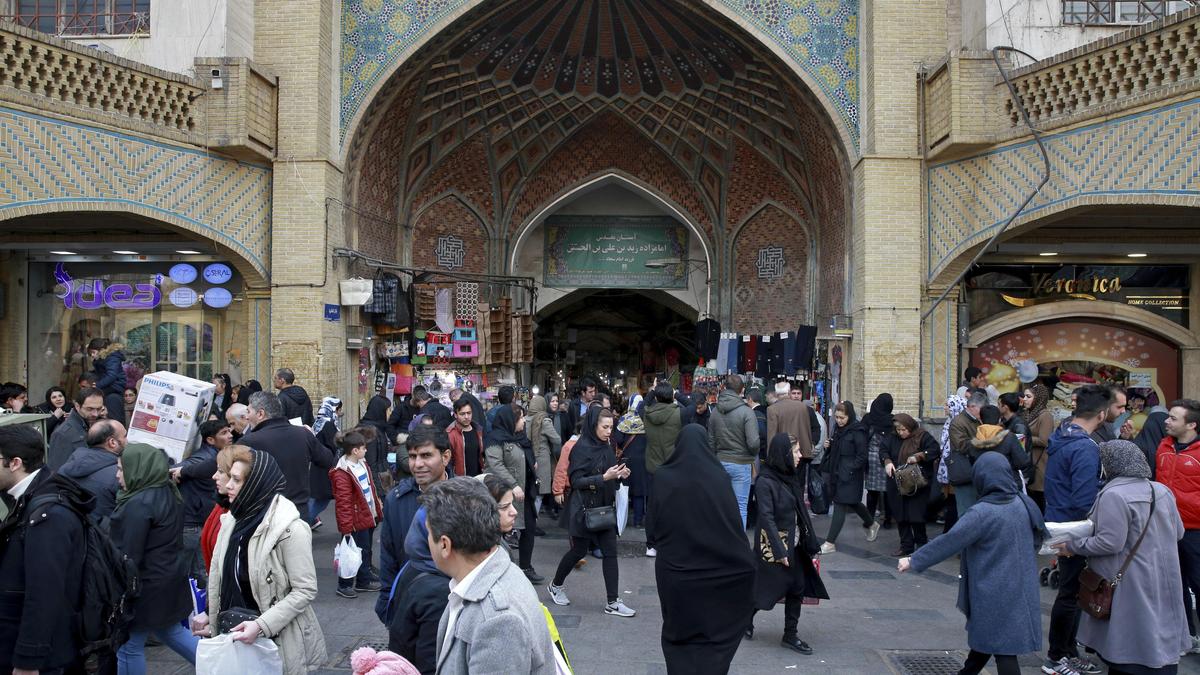
- Protests erupted in December 2025 in Tehran’s Grand Bazaar due to the collapsing rial and economic grievances.
- The U.S. and Israel are accused of fueling the unrest, with claims of Mossad involvement and support for Reza Pahlavi.
- A brutal crackdown by Iranian security forces on January 10, 2026, reportedly resulted in at least 3,000 deaths.
- The Iranian government imposed a nationwide Internet shutdown during the protests.
- Economic sanctions imposed by the U.S. and Europe have significantly weakened Iran’s economy.
- President Masoud Pezeshkian, a reformist elected in 2024, admitted his government was “stuck” in addressing Iran’s structural problems.
Critical Analysis:
The article highlights a confluence of internal and external factors contributing to Iran’s instability. The government’s economic struggles, exacerbated by international sanctions and regional conflicts, created a fertile ground for popular discontent. The protests were then allegedly exploited by external actors, particularly Israel and the U.S., to further destabilize the regime and potentially install a more favorable government. This suggests a deliberate strategy to weaken Iran through economic pressure, internal dissent, and external intervention, aiming for regime change or significant policy shifts.
Key Takeaways:
- Economic sanctions have a significant impact on internal stability in Iran, creating conditions ripe for protest.
- External actors are actively involved in influencing internal Iranian affairs, leveraging existing grievances.
- The Iranian government faces a difficult balancing act between suppressing dissent and addressing economic concerns.
- The legacy of the 2015 nuclear deal (JCPOA) and its subsequent abandonment by the U.S. continue to fuel tensions.
- The situation in Iran remains highly volatile, with the potential for further unrest and external intervention.
Impact Analysis:
The events described have far-reaching implications for the region and international relations. A weakened and unstable Iran could lead to increased regional conflicts, particularly with Israel and its allies. The failure of the JCPOA and the imposition of sanctions could further incentivize Iran to pursue nuclear weapons. Domestically, the brutal crackdown could radicalize elements of the population and lead to further cycles of protests and repression. The article suggests that without significant structural reforms and a resolution to the external pressures, Iran faces a precarious future marked by instability and uncertainty. The potential for a new, pro-Western regime in Iran could fundamentally alter the geopolitical landscape of West Asia, potentially reshaping alliances and power dynamics.
 First Piper