
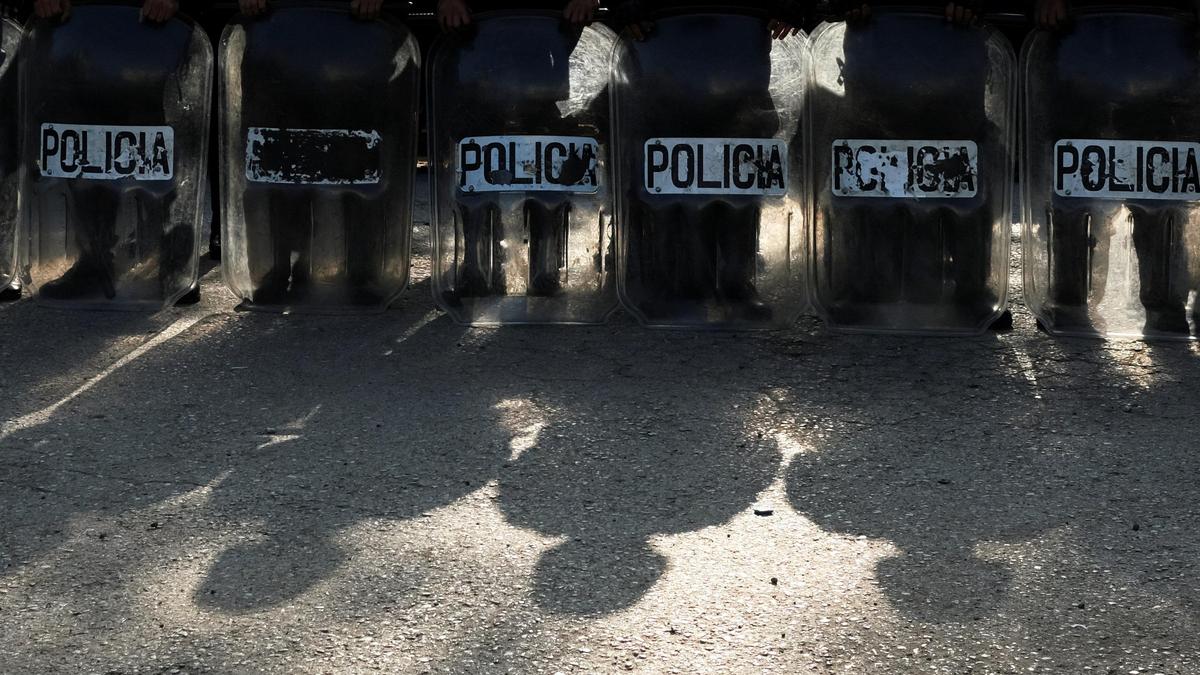
Mon Jan 19 01:12:59 UTC 2026: # Guatemala Gripped by Gang Violence Following Prison Riots; Police Officers Killed
The Story:
Guatemala is facing a severe escalation of gang violence following coordinated prison riots on Sunday, January 18, 2026. Inmates in three maximum-security prisons took 46 guards hostage to protest the stripping of privileges from incarcerated gang leaders. As security forces intervened at Renovacion prison in Escuintla, gang members outside the prison walls launched retaliatory attacks, resulting in the deaths of seven national police officers in Guatemala City. The government has suspended classes nationwide on Monday, January 19, 2026, to ensure the safety of students and teachers.
Key Points:
- Prison riots erupted in three maximum-security prisons in Guatemala on January 18, 2026.
- Inmates took 46 guards hostage to protest the removal of privileges for gang leaders.
- Seven police officers were killed in retaliatory attacks by gang members in Guatemala City.
- One gang member was killed during the clashes, and seven have been arrested.
- Classes were suspended nationwide on January 19, 2026, due to the escalating violence.
- Interior Minister Marco Antonio Villeda stated the government would not negotiate with criminals.
Critical Analysis:
The events of January 18, 2026, are a direct result of the government’s intensifying crackdown on organized crime within the prison system. The coordinated nature of the prison riots and the simultaneous attacks on police suggest a high degree of organization and communication among gang members both inside and outside the prisons. This indicates a resilient and capable criminal network that can effectively mobilize in response to perceived threats to its leadership and operational capacity.
Key Takeaways:
- Guatemalan gangs possess significant operational reach beyond prison walls.
- The government’s crackdown on gangs is triggering violent retaliatory actions.
- The coordinated nature of the riots suggests strong internal gang communication and organization.
- The government’s hard-line stance of non-negotiation could further escalate the conflict.
Impact Analysis:
The current wave of violence has the potential for long-term destabilizing effects on Guatemala. The suspension of classes indicates a significant disruption to daily life and raises concerns about the long-term impact on education and the potential for further social unrest. The government’s response will likely shape the future trajectory of gang activity and the overall security situation in the country. A failure to address the underlying causes of gang violence, such as poverty, corruption, and lack of opportunities, could lead to a protracted conflict and further erosion of public trust in state institutions. The increased military presence may cause the gangs to change their tactics or relocate, potentially destabilizing other regions of Guatemala.
 First Piper