
Mon Jan 19 03:59:18 UTC 2026: # Former CJI Chandrachud Advocates for Bail as a Right, Raises Concerns Over National Security Exceptions
The Story
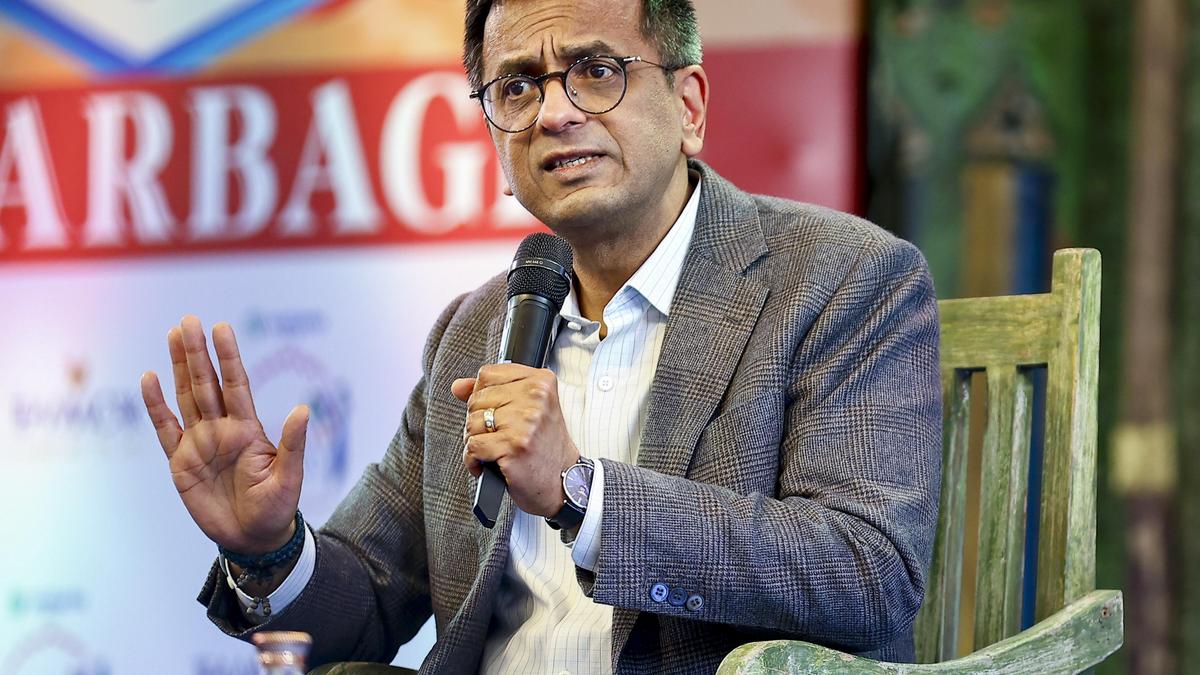
Former Chief Justice of India D.Y. Chandrachud, speaking at the Jaipur Literature Festival on January 18, 2026, asserted that bail before conviction should be a fundamental right, while acknowledging the court’s responsibility to thoroughly examine cases involving national security before granting such relief. His remarks came in response to a question about the Supreme Court’s denial of bail to activist Umar Khalid, incarcerated since 2020 in connection with the Delhi riots conspiracy case. Justice Chandrachud (retired) expressed concern over the delays in the Indian criminal justice system and the potential for prolonged incarceration without conviction.
Key Points
- Bail as a Right: Justice Chandrachud stated that bail before conviction should be a matter of right, based on the presumption of innocence.
- National Security Exception: He acknowledged that in cases involving national security, courts have a duty to examine the case in depth before granting bail.
- Umar Khalid Case: The remarks were prompted by a question regarding the denial of bail to activist Umar Khalid in the 2020 Delhi riots case.
- Judicial Concerns: Justice Chandrachud expressed concern that lower court judges fear their integrity might be questioned when granting bail, leading to more cases reaching the Supreme Court.
- Speedy Trial: He emphasized the importance of speedy trials and stated that delays entitle the accused to bail.
- Collegium Reform: The former CJI suggested including eminent persons from civil society in the collegium for judicial appointments.
- Marital Rape: He expressed regret over the continued lack of criminalization of marital rape in India.
Key Takeaways
- Justice Chandrachud’s advocacy for bail as a right underscores the ongoing debate about individual liberties versus national security concerns in the Indian legal system.
- His comments highlight the potential for prolonged pre-trial detention to infringe upon individual rights, particularly in cases where the accused is ultimately found innocent.
- The call for collegium reform suggests a desire to enhance transparency and public trust in judicial appointments.
- The mention of marital rape emphasizes the need for continued legal reforms to address gender inequality and protect women’s rights.
- His concern over judges fearing questioning of integrity points to the need for a more robust and independent judiciary.
 First Piper