
Sat Jan 17 21:46:00 UTC 2026: ### Headline: ISRO Faces Second PSLV Failure in Under a Year, Raising Concerns Over Transparency
The Story
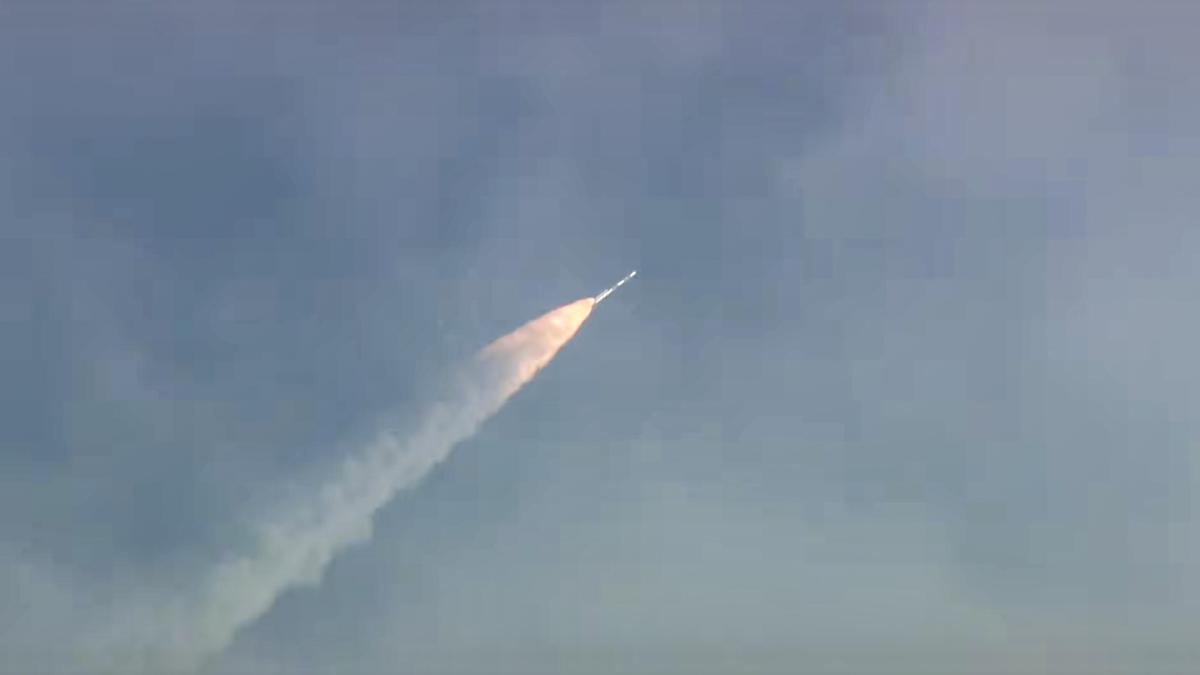
On January 12, 2026, the Indian Space Research Organisation’s (ISRO) PSLV-C62 mission, carrying the EOS-N1 satellite and 15 co-passenger satellites, encountered a critical anomaly during the third stage (PS3), resulting in mission failure. This follows a similar incident on May 18, 2025, with the PSLV-C61 mission, which also experienced a failure in the third stage. The C62 failure involved a “roll rate disturbance,” preventing satellite deployment, while the C61 failure was attributed to a drop in chamber pressure. Both missions experienced nominal ascents up until the PS3 stage malfunctioned.
The incident has raised concerns regarding ISRO’s transparency, as the Failure Analysis Committee (FAC) report for the PSLV-C61 mission has not been publicly released, and it is unclear if an FAC has been formed for the C62 mission. This lack of transparency contrasts with past practices where ISRO released detailed summaries of FAC findings even without releasing the full report. The failed mission carried satellites from multiple international entities, including Thailand, the U.K., Nepal, France, Spain, and Brazil, along with several Indian enterprises.
Key Points
- January 12, 2026: PSLV-C62 mission fails due to an anomaly in the PS3 stage, exhibiting a “roll rate disturbance.”
- Payload included the EOS-N1 surveillance satellite for the Defence Research and Development Organisation (DRDO) and 15 co-passenger satellites from various international and Indian entities.
- May 18, 2025: PSLV-C61 mission failed due to a pressure drop in the PS3 stage motor casing.
- The FAC report for the PSLV-C61 mission remains unpublished, leading to concerns about transparency.
- GISTDA, Thailand’s space agency, confirmed its THEOS-2A satellite was lost and insured. Indian private sector payloads were reportedly uninsured.
- Vikram Sarabhai Space Centre director attributed the loss of the PSLV-C61 mission to a “slight manufacturing error” on November 15, 2025.
Key Takeaways
- ISRO faces a significant setback with the consecutive failures of PSLV missions, impacting its reputation for reliability.
- The lack of transparency regarding the causes of the failures erodes public trust and hinders effective corrective action.
- The financial burden of uninsured payloads falls directly on the developers, posing a risk to private sector participation in space endeavors.
- The failure of PSLV-C62 marks the first time a PSLV mission has failed while carrying customer satellites provided by Indian and foreign entities, potentially impacting future commercial partnerships.
- The incident highlights the importance of robust failure analysis and transparent communication to maintain confidence in space programs.
Impact Analysis
The repeated failures of the PSLV, a workhorse launch vehicle for ISRO, could have significant long-term implications for India’s space program and its commercial space ventures. The lack of transparency surrounding the causes of these failures may deter international partners and investors, potentially impacting future collaborations and funding opportunities. The financial losses incurred by uninsured payloads could also discourage private sector participation. To mitigate these risks, ISRO needs to prioritize thorough investigations, transparent communication, and robust quality control measures to restore confidence in its launch capabilities. Moreover, the agency might need to re-evaluate its risk assessment and insurance strategies for commercial payloads, particularly those from the private sector.
 First Piper