
Sun Jan 18 11:30:00 UTC 2026: ### Weather Drones Take Flight: A New Era in Forecasting Begins
The Story:
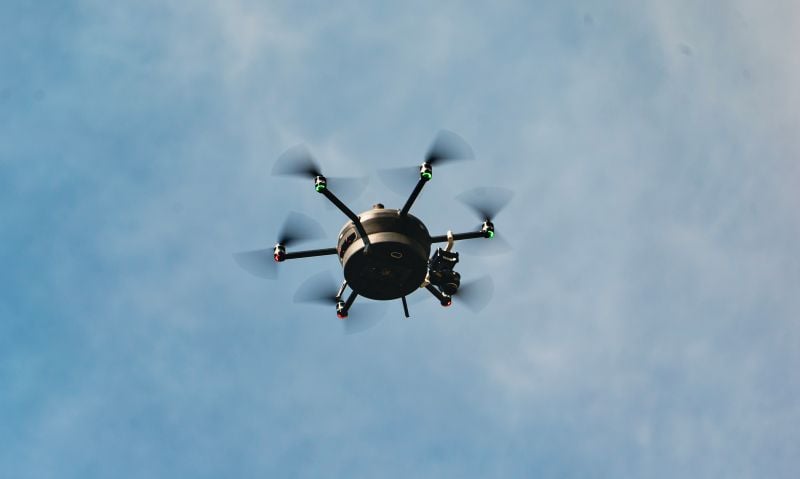
The Aviation Week Network reports that weather drones are moving from testing phases into operational use, feeding data directly to the National Oceanic and Atmospheric Administration (NOAA) for the first time. This marks a significant step in integrating advanced air mobility technology into weather forecasting, promising more accurate and timely predictions. The initial focus appears to be on supporting regions vulnerable to severe weather events.
Key Points:
- Weather drone data is now being used in NOAA forecasts.
- The move signifies a transition from testing to operational deployment of weather drones.
- The Aviation Week Intelligence Network (AWIN) is covering these developments.
Critical Analysis:
The progression from testing (reported on January 18, 2026, at 11:30 UTC) to operational use within the same day strongly suggests a planned and coordinated effort. The context of winter weather alerts being issued simultaneously in Winston-Salem and Central Georgia (January 18, 2026, at 11:40 UTC and 11:10 UTC, respectively) indicates a strategic deployment of these drones to gather critical data during active weather events. The simultaneous announcement suggests a national-level initiative, not just isolated tests.
Key Takeaways:
- Weather forecasting is becoming increasingly reliant on advanced drone technology.
- The speed of deployment indicates a high level of readiness and confidence in the technology.
- Initial deployment is focused on supporting areas facing imminent weather threats.
- NOAA is actively integrating this new data source into its forecasting models.
Impact Analysis:
The use of weather drones to feed data into the National Weather Service has significant long-term implications. The enhanced data collection capabilities can lead to improved forecast accuracy, particularly in regions prone to rapid weather changes. This can result in more effective warnings, allowing communities and businesses to prepare better for severe weather events, mitigating potential damage and saving lives. The increased accuracy might also optimize resource allocation for emergency response. This could also lead to a proliferation of weather drone service providers.
 First Piper