
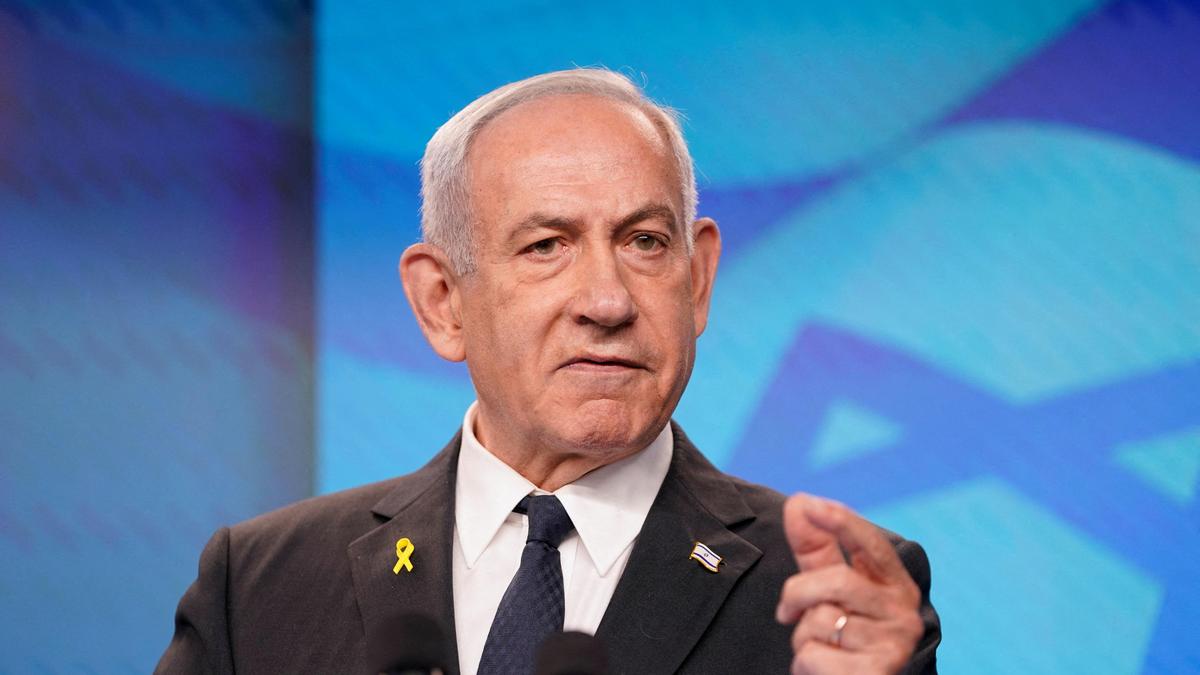
Sat Jan 17 23:21:46 UTC 2026: ### Headline: Netanyahu Rejects Trump’s Gaza Executive Committee, Citing Lack of Coordination
The Story
The Israeli government, led by Prime Minister Benjamin Netanyahu, has publicly objected to the White House’s announcement of the executive committee tasked with overseeing the next steps in Gaza. This rare criticism of the United States, a close ally, states that the committee’s formation “was not coordinated with Israel and is contrary to its policy.” The committee, announced on January 16, 2026, includes an Israeli businessman, Yakir Gabay, but no official Israeli government representatives. The announcement has also drawn dissatisfaction from Palestinian Islamic Jihad, Gaza’s second-largest militant group, who claim it reflects Israeli “specifications.”
The committee is intended to carry out the vision of a Trump-led “Board of Peace” and will oversee a new Palestinian committee managing Gaza’s day-to-day affairs. Members include prominent figures such as U.S. Secretary of State Marco Rubio, Jared Kushner, former British Prime Minister Tony Blair, and representatives from Qatar, Egypt, United Arab Emirates, and Turkiye. This move comes as the U.S.-drafted ceasefire plan for Gaza enters its second phase, focusing on the deployment of an international security force, disarmament of Hamas, and reconstruction.
Key Points
- Israeli government objects: Prime Minister Netanyahu criticizes the White House’s Gaza executive committee for lacking coordination with Israel.
- Committee composition: The executive committee includes an Israeli businessman but no official Israeli government representation, along with figures from the U.S., Britain, and Middle Eastern nations.
- Ceasefire phase two: The announcement follows the implementation of a U.S.-drafted ceasefire plan, now entering its second phase focused on security and reconstruction.
- Palestinian dissatisfaction: Palestinian Islamic Jihad also expresses discontent with the committee’s makeup.
- Internal Israeli divisions: National Security Minister Itamar Ben-Gvir urges Netanyahu to prepare the military to return to war.
Critical Analysis
The historical context reveals a potential pattern of friction between the Israeli government and international efforts to address the Gaza situation. The prior news items show that the US is unveiling a key Gaza panel with prominent roles given to Israel critics Qatar, Turkey and that Netanyahu is saying Trump’s Gaza Board is Against Israel’s Policy. These events suggest that the Trump administration is seeking to exert influence in the region, potentially at the expense of aligning completely with Israeli policy, and that this is causing significant tension.
Key Takeaways
- The relationship between the U.S. and Israel is facing a rare public disagreement over the management of Gaza’s future.
- The composition of the executive committee reflects a broader international effort to address the conflict, potentially diluting Israeli influence.
- Internal divisions within the Israeli government are widening, with calls for a return to military action.
- The inclusion of Qatar and Turkey, often seen as critics of Israel, signals a shift in the dynamics of the peace process.
- The future of Gaza remains uncertain, with multiple actors expressing dissatisfaction with the current arrangements.
Impact Analysis
The public disagreement between Netanyahu and the Trump administration has significant long-term implications. It could:
- Strain US-Israeli relations: Undermine the traditionally strong alliance between the two nations, potentially impacting future cooperation on regional security matters.
- Empower regional actors: Provide greater influence to countries like Qatar, Egypt, UAE, and Turkiye in shaping the future of Gaza.
- Hinder the peace process: Obstruct progress towards a lasting resolution to the Israeli-Palestinian conflict due to a lack of consensus.
- Escalate violence: Increase the risk of renewed conflict in Gaza if hardliners on both sides feel marginalized by the peace process.
- Influence future elections: The controversy may shift the political landscape within Israel, affecting voter sentiment and coalition dynamics in future elections.
 First Piper