
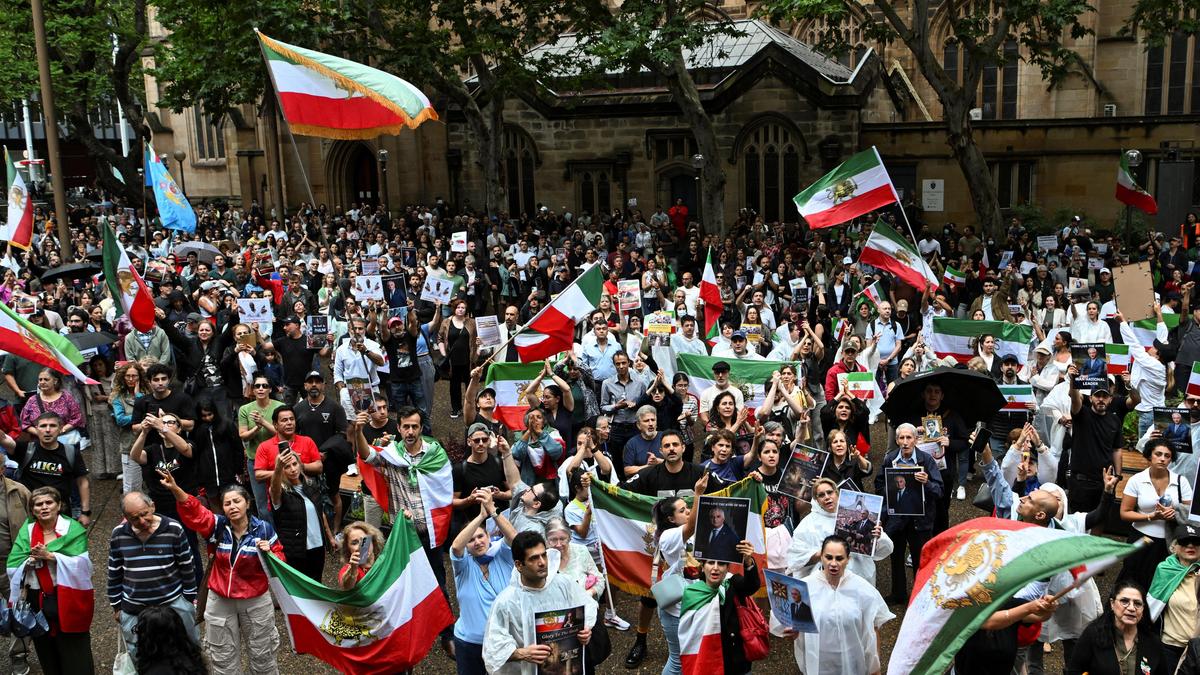
Sun Jan 18 11:30:13 UTC 2026: ### Iran Gradually Restores Internet Access Amidst Ongoing Protests and Controversy Over Death Toll
The Story:
Iranian authorities have begun to “gradually” restore internet access across the country after a sweeping communications blackout lasting over a week. This shutdown was imposed amidst escalating anti-government protests, initially sparked by economic hardship and fueled by the 2022 death of Mahsa Amini. While internet access remains limited, outgoing international calls and text messaging have been partially restored. The government is also promoting the use of domestic intranet services and local messaging applications.
The move comes as the government faces increasing scrutiny and conflicting reports regarding the death toll from the protests. While Iranian officials claim the demonstrations devolved into riots instigated by foreign influence, specifically the United States and Israel, rights groups and opposition channels allege significantly higher death tolls than officially acknowledged.
Key Points:
- Iranian authorities are “gradually” restoring internet access after a week-long nationwide shutdown.
- The communications blackout coincided with widespread anti-government protests linked to economic issues and the Mahsa Amini case.
- Local messaging applications and the domestic intranet have been promoted as alternatives.
- Conflicting reports persist regarding the death toll from the protests, with figures ranging from official denials to claims of over 12,000 deaths by opposition channels.
- Supreme Leader Ayatollah Ali Khamenei blamed the unrest on “agents” of the United States and Israel.
Critical Analysis:
The staged and incomplete restoration of internet access suggests a calculated move by the Iranian government. The timing indicates the government may be attempting to gauge public sentiment and control the flow of information. The promotion of domestic applications serves as a mechanism for surveillance and further control over communications within the country.
Key Takeaways:
- The Iranian government continues to employ strict control over information access in response to internal dissent.
- Discrepancies in reported death tolls highlight the challenges of verifying information in authoritarian regimes.
- The government’s blaming of foreign entities demonstrates a pattern of deflection and externalization of internal issues.
- The protests, even if subsided, represent a significant challenge to the Iranian leadership’s legitimacy and stability.
- The situation is compounded by the prior blocking of popular social media platforms like Instagram, Facebook, X, Telegram, and YouTube indicating a consistent effort to control the flow of information and restrict freedom of expression.
Impact Analysis:
The Iranian government’s actions are likely to further isolate the country internationally and damage its credibility. The continued suppression of information and the failure to address the underlying grievances fueling the protests may lead to further unrest in the future. The use of domestic communication platforms could set a precedent for other authoritarian regimes seeking to control online activity within their borders. The international community’s response, or lack thereof, will likely shape the future trajectory of the Iranian political landscape.
 First Piper