
Sun Jan 18 06:44:20 UTC 2026: # “Yellow Line” Ceasefire in Gaza Proves Deadly as Israeli Military Actions Raise Concerns
The Story:
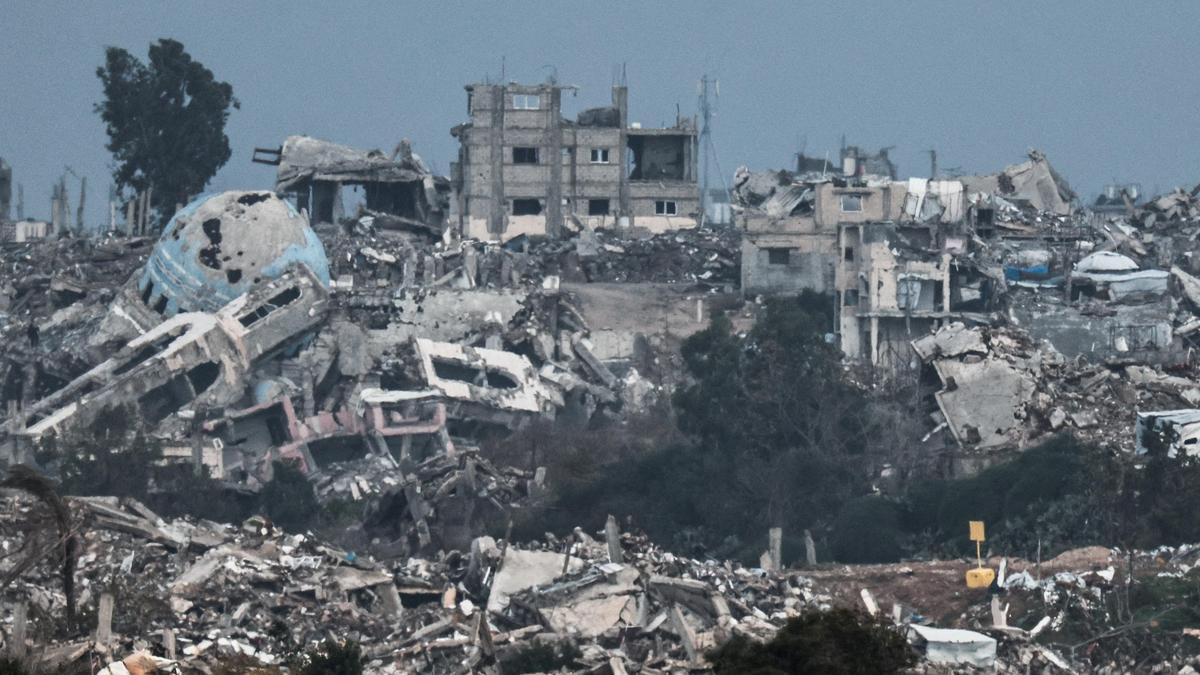
Despite a ceasefire agreement establishing a “yellow line” buffer zone in Gaza, numerous Palestinians have been killed or wounded by Israeli fire for approaching or crossing the line. This is according to a report published on January 18, 2026. The ambiguous demarcation of the line, discrepancies between official maps and the line’s actual placement on the ground, and the Israeli military’s definition of the area, have created a dangerous situation for Palestinian civilians returning to their homes. The report details instances of civilians, including children, being shot, shelled, or even run over by bulldozers for being near the line. While the Israeli military claims to be targeting militants and providing warnings, the number of civilian casualties and the contested location of the line raise serious questions about the effectiveness and adherence to the ceasefire terms.
Key Points:
- At least 77 Palestinians have been killed by Israeli gunfire near the “yellow line” since the ceasefire took effect, 62 of whom had crossed it, according to the Gaza Health Ministry up to January 13, 2026.
- The “yellow line,” intended to be a buffer zone after the Israeli military’s withdrawal, is reportedly unmarked in some areas or placed up to 0.5 kilometers deeper into Gaza than agreed.
- The Israeli military acknowledges killing 57 people around the line, claiming most were militants.
- Civilians, including children like 3-year-old Ahed al-Bayouk and teenager Zaher Shamia, have been killed near the line under disputed circumstances.
- Geolocation specialists have found discrepancies between official maps of the “yellow line” and its actual placement by the Israeli military.
- Israeli demolitions have encroached beyond the official “yellow line” in some areas.
- Israel’s defence minister described the “yellow line” in December as “a new border line — serving as a forward defensive line for our communities and a line of operational activity.”
Critical Analysis:
The reported discrepancies in the “yellow line’s” location, coupled with the high number of Palestinian casualties, suggest a deliberate strategy by the Israeli military to expand its control within Gaza, despite the stated ceasefire agreement. The defense minister’s description of the line as a “new border line” further supports this interpretation. The fact that the U.S. president posted an image of the location of the border to Truth Social suggests a lack of standardized procedures. The context entry “[Sun Jan 18 11:50:12 UTC 2026] Israeli attacks wound civilians across Gaza in latest ceasefire violations” further indicates that these incidents are not isolated events.
Key Takeaways:
- The “yellow line” ceasefire agreement is failing to protect Palestinian civilians in Gaza.
- Ambiguity and discrepancies surrounding the “yellow line’s” location are contributing to the violence.
- The Israeli military’s actions raise concerns about potential land encroachment and a permanent shift in control.
- The high number of civilian casualties warrants further investigation and accountability.
- International oversight is needed to ensure adherence to the ceasefire terms and the protection of civilians.
Impact Analysis:
The continued violence and uncertainty surrounding the “yellow line” threaten to undermine the ceasefire agreement entirely. This event series could lead to renewed conflict between Israel and Palestinian militant groups, further destabilizing the region. The loss of land and homes for Palestinians, combined with the ongoing destruction, will exacerbate the humanitarian crisis in Gaza and deepen resentment toward Israel. The international community will likely face increased pressure to intervene and address the root causes of the conflict.
 First Piper