
Sat Jan 17 20:03:19 UTC 2026: # Delhi’s Air Quality Plummets as Construction Dust Chokes Neighborhoods
The Story:
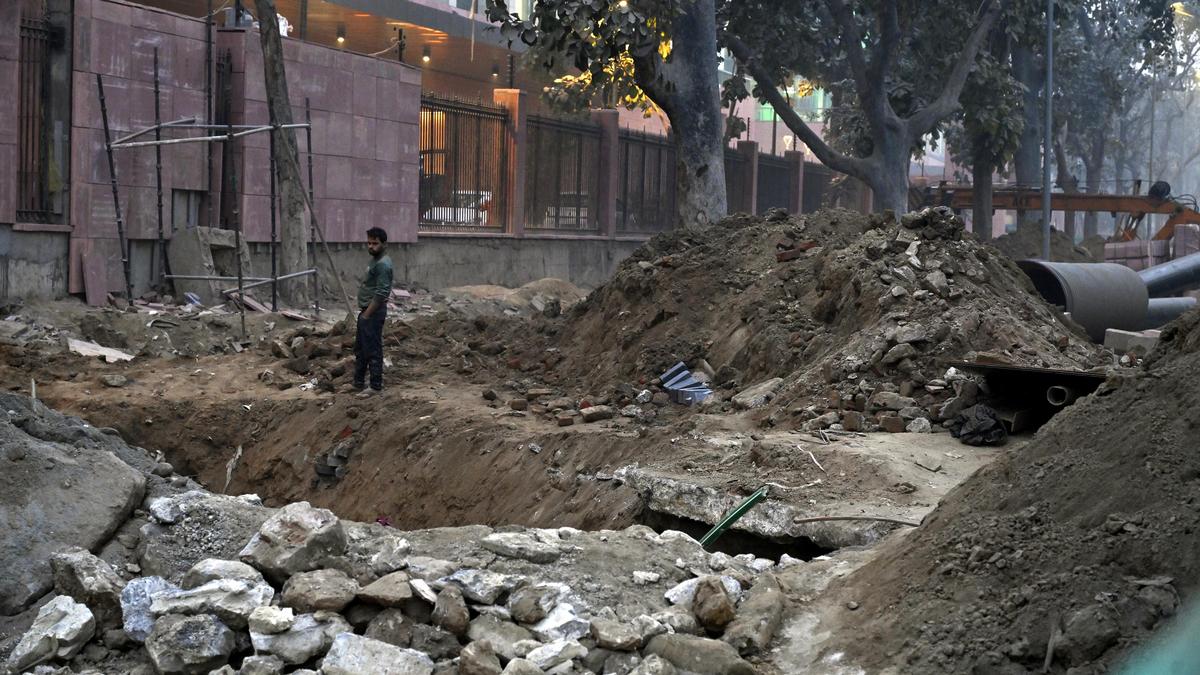
Despite repeated warnings and existing regulations, unchecked dust pollution from construction sites and dug-up roads continues to plague several neighborhoods in New Delhi. A spot check conducted by The Hindu on Saturday, January 17, 2026, revealed significant dust pollution near Kartavya Bhavan, the Defence Colony flyover, and in areas of Palam. The issue, previously raised with Delhi authorities, highlights a persistent failure in enforcing dust control measures, exacerbating the city’s already declining air quality.
The lack of adherence to Construction and Demolition Waste Management Rules, 2016, and Central Pollution Control Board guidelines, which mandate covering loose material and proper waste containment, is evident across the city. Residents report respiratory issues, particularly among children, due to the constant dust exposure caused by ongoing construction activities.
Key Points:
- Delhi’s air quality has slipped back into the ‘severe’ category.
- The Hindu spot checks on January 17, 2026, found visible dust pollution at multiple locations, including near Kartavya Bhavan, Defence Colony flyover, and Palam.
- A Central government official raised concerns about dust pollution with Delhi authorities earlier in January 2026.
- The Construction and Demolition Waste Management Rules, 2016, and CPCB guidelines are not being enforced.
- Residents in Palam Colony report health issues, including chest pains among children, due to dust exposure.
- Roads are repeatedly dug up for various infrastructure projects, leaving mounds of soil exposed.
Critical Analysis:
The historical context reveals a pattern of disruptions caused by infrastructure work, as highlighted by the incident where the “Slow pace of UGD work worsens condition of roads in Gandhi Nagar” (Sat Jan 17 14:46:31 UTC 2026). This, combined with the lack of enforcement of regulations, suggests a systemic failure in coordinating infrastructure projects and prioritizing environmental protection. The focus seems to be on completing projects without adequate consideration for dust mitigation.
Key Takeaways:
- Ineffective enforcement of existing regulations regarding construction waste management is a major contributor to Delhi’s air pollution.
- Poor coordination between different infrastructure projects leads to repeated digging and exposure of soil.
- The health of residents, particularly children, is being negatively impacted by the unchecked dust pollution.
- Accountability is lacking, as the Delhi government did not respond to queries regarding the issue.
- Dust control measures should be immediately implemented to alleviate the suffering of residents.
Impact Analysis:
The continued negligence in addressing dust pollution has far-reaching implications for Delhi’s environment and public health. The recurring reports of respiratory issues, especially among vulnerable populations, signal a potential public health crisis. Furthermore, the lack of accountability undermines public trust in the government’s ability to safeguard the environment. Failing to address the problem will perpetuate the cycle of air pollution, leading to long-term damage to the city’s ecosystem and the well-being of its citizens.
 First Piper