
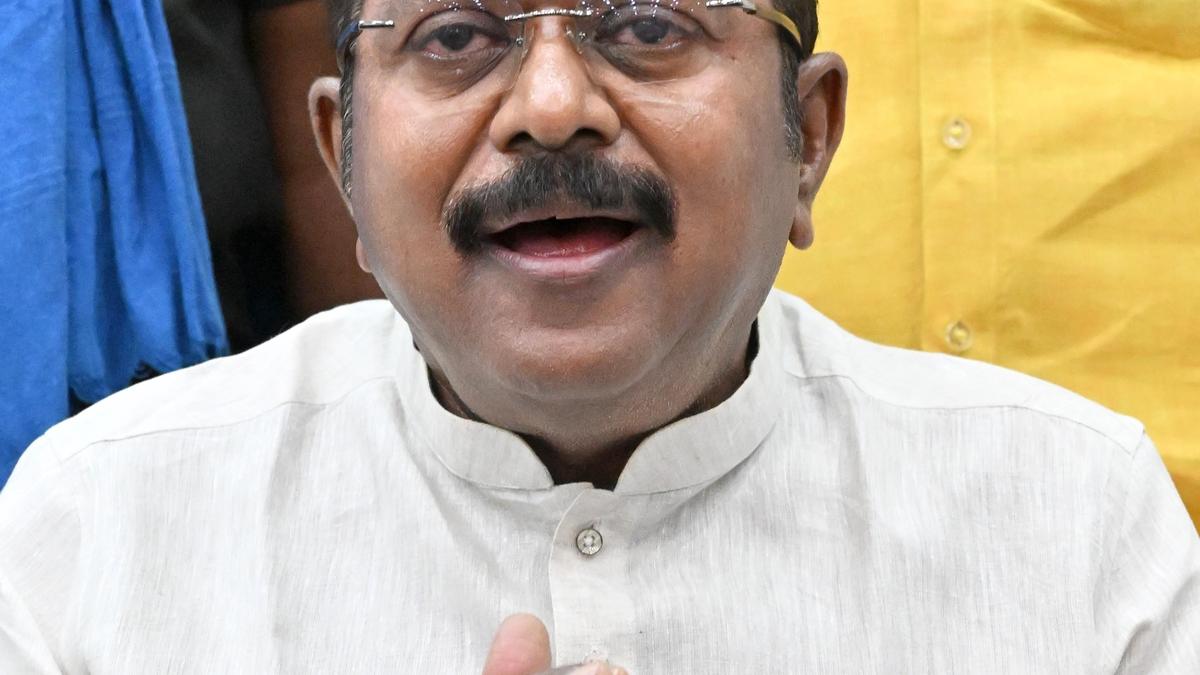
Sat Jan 17 19:12:37 UTC 2026: Headline: Tamil Nadu Politics: AMMK Hints at Alliance, Panneerselvam Considers Future Amidst Speculation of BJP’s Growing Influence
The Story:
In Tamil Nadu, political maneuvering is intensifying ahead of the upcoming Assembly elections. January 18, 2026, saw AMMK general secretary T.T.V. Dhinakaran indicating that his party will align with an established formation, deferring the alliance announcement to that formation’s leader. Simultaneously, O. Panneerselvam, coordinator of the All India Anna Dravida Munnetra Workers’ Rights Retrieval Committee, is weighing his options, including a potential return of splinter groups to the AIADMK fold. Both leaders addressed the media following tributes to M.G. Ramachandran, adding fuel to speculation regarding potential coalition configurations.
The shadow of the BJP looms large, with Dhinakaran downplaying a potential invitation to a rally addressed by Prime Minister Narendra Modi, attributing it to the enthusiasm of a local party member. Panneerselvam stated he had not received an invitation to the rally. These developments point to a complex interplay of regional and national political forces in Tamil Nadu.
Key Points:
- T.T.V. Dhinakaran (AMMK): Confirmed AMMK will join an alliance, with the alliance leader announcing the entry.
- O. Panneerselvam: Stated he will announce his decision on alliances soon and ruled out starting a new party.
- Upcoming Assembly Election: Dhinakaran predicts a coalition government, suggesting no single party will secure an absolute majority.
- BJP’s Involvement: Dhinakaran downplayed potential invitation to a Modi rally, attributing it to local enthusiasm. Panneerselvam said he wasn’t invited.
- AIADMK Reunification: Panneerselvam expressed his wish for splinter groups to return to the AIADMK.
Critical Analysis:
The related historical context provided offers clues, particularly the BJP’s potential to overrule state units regarding alliances. This suggests a centralized decision-making process within the BJP regarding coalition strategies. The BJP’s growing influence, underscored by the claimed 45% vote share in civic polls, could be a significant factor driving alliance talks and the calculations of regional parties like AMMK and the maneuvering of figures like Panneerselvam. It is likely that Panneerselvam’s hope for re-unification of AIADMK factions is based on an attempt to present a viable alternative to a BJP led front.
Key Takeaways:
- Tamil Nadu politics is entering a crucial phase with alliance formations taking center stage before the Assembly elections.
- The AMMK is poised to join an alliance, signaling a strategic shift in its political stance.
- Panneerselvam’s focus on reuniting factions suggests a potential realignment within the AIADMK landscape.
- The BJP’s growing influence and centralized decision-making in alliance formation is likely impacting regional parties’ calculations.
- The predicted coalition government highlights the fragmented nature of Tamil Nadu politics and the necessity for alliances to secure power.
Impact Analysis:
- The alliance choices made by AMMK and O. Panneerselvam’s faction will significantly shape the composition of the next Tamil Nadu government. If the AMMK joins with the BJP, it could shift the political dynamics.
- The BJP’s role as a potential kingmaker could reshape the power structure in Tamil Nadu, influencing policy decisions and the overall political direction of the state.
- The reunification of AIADMK factions, if successful, could revitalize the party and potentially challenge the dominance of the DMK. This may consolidate the non-DMK vote.
- These developments could lead to significant shifts in voter preferences and political alignments in the long term, potentially altering the established political landscape of Tamil Nadu.
- The election outcome will likely determine the balance of power between regional and national parties in Tamil Nadu, impacting the state’s relationship with the central government.
 First Piper