
Sat Jan 17 00:00:00 UTC 2026: # Nepali Congress Factionalism Deepens as Election Commission Recognizes Thapa-Led Reformists
The Story:
Nepal’s Election Commission (EC) has recognized the Gagan Thapa-led faction of the Nepali Congress (NC) as the legitimate party, following a period of intense internal conflict spurred by the September 2025 Gen Z protests. This decision comes ahead of the scheduled March 5 parliamentary elections and resolves a high-stakes dispute between the reformist faction, advocating for leadership change, and the established faction led by five-time Prime Minister Sher Bahadur Deuba. The EC’s ruling grants the Thapa faction the party flag and election symbol, allowing them to contest the elections under the NC banner.
Key Points:
- The Election Commission recognized the Gagan Thapa faction of the Nepali Congress as the legitimate party.
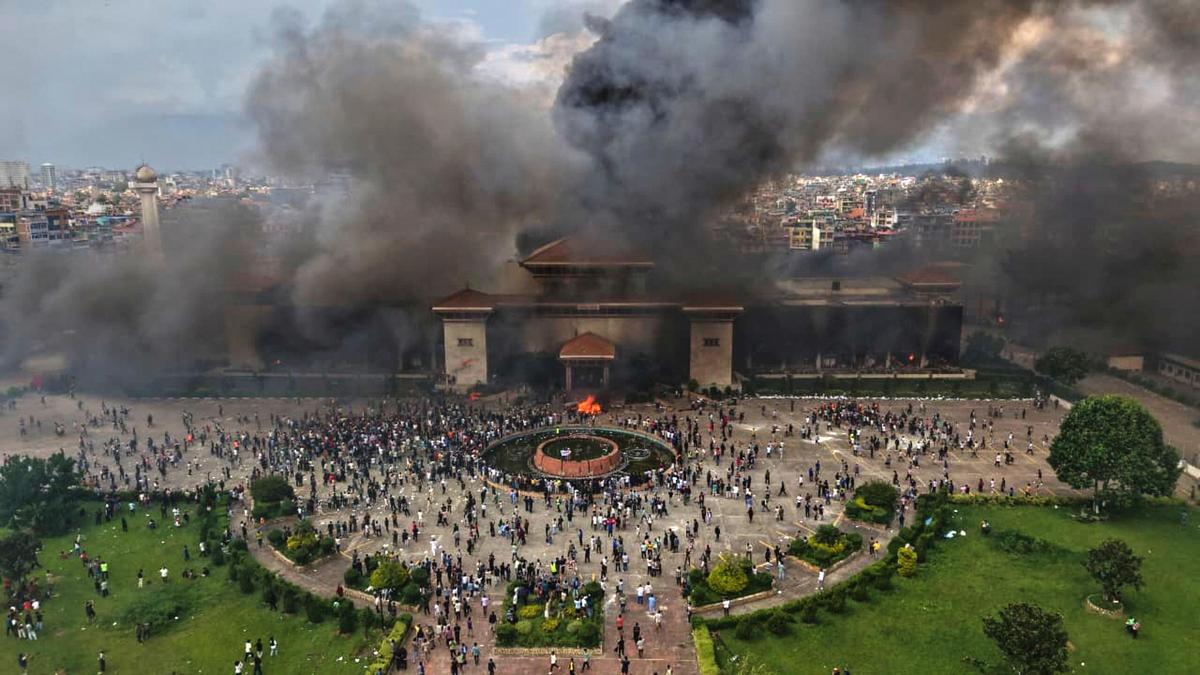
- The decision follows the September 2025 Gen Z protests that called for an end to corruption and misgovernance, as well as internal reforms.
- The Thapa faction, identifying as reformists, demanded leadership change after the protests.
- The Deuba faction rejected the demand for a special convention to elect new leadership, leading to a split.
- The March 5 parliamentary elections are scheduled amid significant political upheaval in Nepal.
- The Gen Z protests resulted in 76 deaths and the fall of the elected government.
- A special convention was held between January 11-15, where Gagan Thapa was elected as the party leader by the reformist faction.
- Sher Bahadur Deuba, 79, faced public anger during the Gen Z protests.
- The EC’s recognition is crucial for the Thapa faction, allowing them to contest the elections under the NC banner.
- The Rastriya Swatantra Party and the UML are poised to gain significant ground from the split in the Nepali Congress.
Key Takeaways:
- The Gen Z protests have had a profound impact on Nepali politics, accelerating demands for reform within established political parties.
- Factionalism within the Nepali Congress presents a significant challenge to the party’s future and its ability to compete in upcoming elections.
- The Election Commission’s decision is likely to reshape the political landscape of Nepal, potentially impacting the outcome of the March 5 elections.
- The rise of new political players like the Rastriya Swatantra Party reflects a growing dissatisfaction with traditional political establishments.
- Generational shifts in leadership may not necessarily translate to immediate ideological or political praxis changes within the party.
Impact Analysis:
The recognition of the Gagan Thapa-led faction as the legitimate Nepali Congress marks a significant turning point in Nepali politics. This decision has the potential to:
- Reshape Electoral Dynamics: The split within the NC and the emergence of the reformist faction could lead to a realignment of voter allegiances, potentially benefiting rival parties such as the CPN-UML and the Rastriya Swatantra Party.
- Influence Policy Direction: With younger, reform-minded leaders at the helm, the NC’s policy priorities could shift towards addressing the concerns raised by the Gen Z movement, such as corruption and misgovernance.
- Create Long-Term Instability: The fractured political landscape, coupled with unresolved issues of governance, could lead to continued political instability and hinder Nepal’s development.
- Accelerate Generational Change: The rise of the Thapa faction signals a broader trend of generational change within Nepali politics, potentially paving the way for younger leaders to assume positions of power in the years to come.
- Set a Precedent for Internal Party Reform: The success of the reformist faction in challenging the established leadership could encourage similar movements within other political parties, fostering greater accountability and responsiveness to public demands.
 First Piper