
Sat Jan 17 04:55:02 UTC 2026: # U.S. Influence Reshapes Venezuelan Politics After Maduro’s Ouster
The Story:
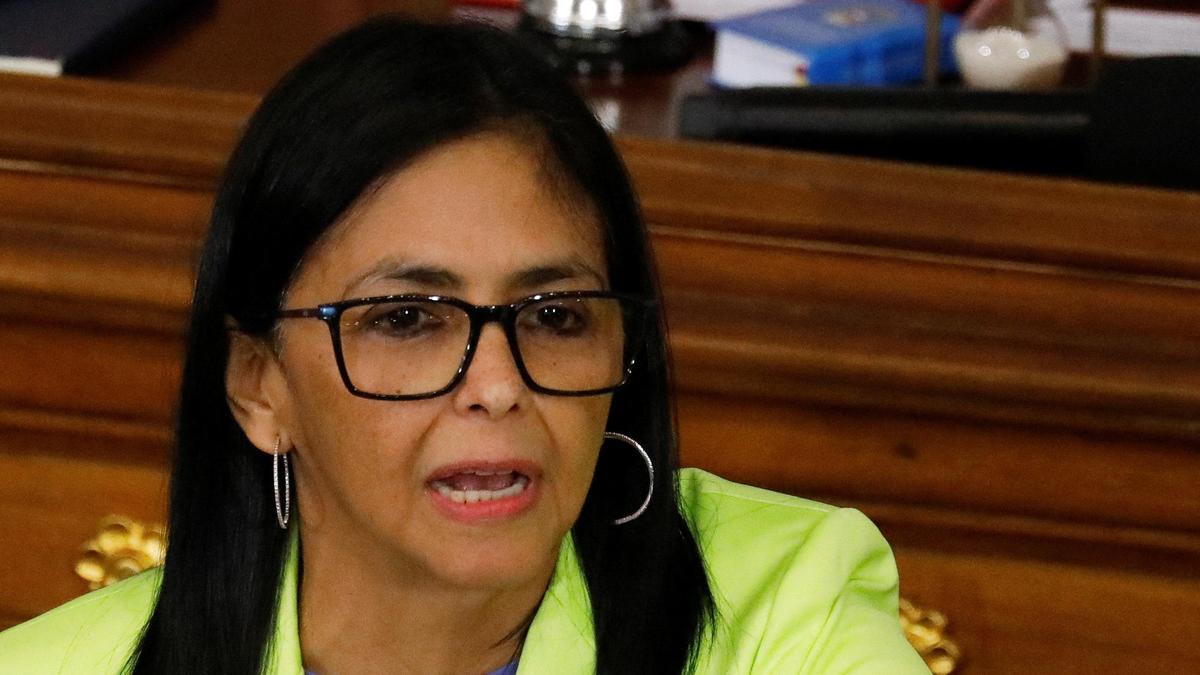
Following the January 3, 2026, U.S. military operation that led to the capture of Nicolas Maduro, Venezuela’s political landscape is undergoing significant changes. Interim President Delcy Rodriguez dismissed Alex Saab, a key Maduro ally, from his position as Minister of Industry, consolidating the ministry with the Commerce Ministry. This move comes amidst pressure from Washington. Maria Corina Machado, a prominent opposition leader, views this period as the start of a “true transition” to democracy, pinning her hopes on U.S. support and President Donald Trump. However, Trump has chosen to back Rodriguez as interim leader, prioritizing U.S. access to Venezuela’s oil reserves.
Key Points:
* Delcy Rodriguez, Venezuela’s interim President, dismissed Alex Saab from his role as Minister of Industry.
* The dismissal occurred amid U.S. pressure following the ouster of Nicolas Maduro on January 3, 2026.
* Donald Trump has sidelined Maria Corina Machado in favor of Delcy Rodriguez, contingent on U.S. access to Venezuelan oil.
* Maria Corina Machado presented her Nobel Peace Prize medal to Donald Trump in an attempt to gain his support.
* A U.S. deportation flight carrying 231 Venezuelans landed in Caracas, marking improved relations.
* CIA chief John Ratcliffe met with Ms. Rodriguez in Caracas.
Critical Analysis:
The dismissal of Alex Saab and the backing of Delcy Rodriguez over Maria Corina Machado by President Trump highlights the complex interplay of U.S. foreign policy interests and the internal dynamics of Venezuelan politics. Trump’s decision seems to be driven primarily by securing access to Venezuela’s oil reserves, even if it means supporting a figure with questionable legitimacy and sidelining a Nobel laureate. The deportation flight indicates a transactional relationship where political support is potentially linked to immigration policy.
Key Takeaways:
- U.S. intervention has fundamentally altered Venezuela’s political structure.
- Trump’s administration prioritizes U.S. oil interests in Venezuela over support for democratic figures like Machado.
- The interim government is walking a tightrope between U.S. demands and maintaining some semblance of national sovereignty.
- Machado’s attempts to woo Trump show the desperation of the Venezuelan opposition.
- The future of Venezuela hinges on the balance of power between the U.S., the interim government, and the internal opposition.
Impact Analysis:
The events described have potentially far-reaching implications. Venezuela’s transition to democracy is now heavily dependent on the whims of the U.S. president, raising questions about its long-term stability and sovereignty. The prioritization of U.S. oil interests could lead to resentment among Venezuelans and undermine the legitimacy of any future government. The sidelining of Machado, despite her international recognition, signals a potential disregard for democratic principles in the pursuit of strategic goals. The deportation agreement showcases how immigration policies can be intertwined with foreign policy decisions. The long-term impact will depend on whether the interim government can establish genuine legitimacy, secure economic stability, and navigate the complex relationship with the United States.
 First Piper