
Fri Jan 16 18:32:42 UTC 2026: # India’s Farm Power Subsidies Fueling Carbon Emissions and Groundwater Crisis, Scientists Warn
The Story:
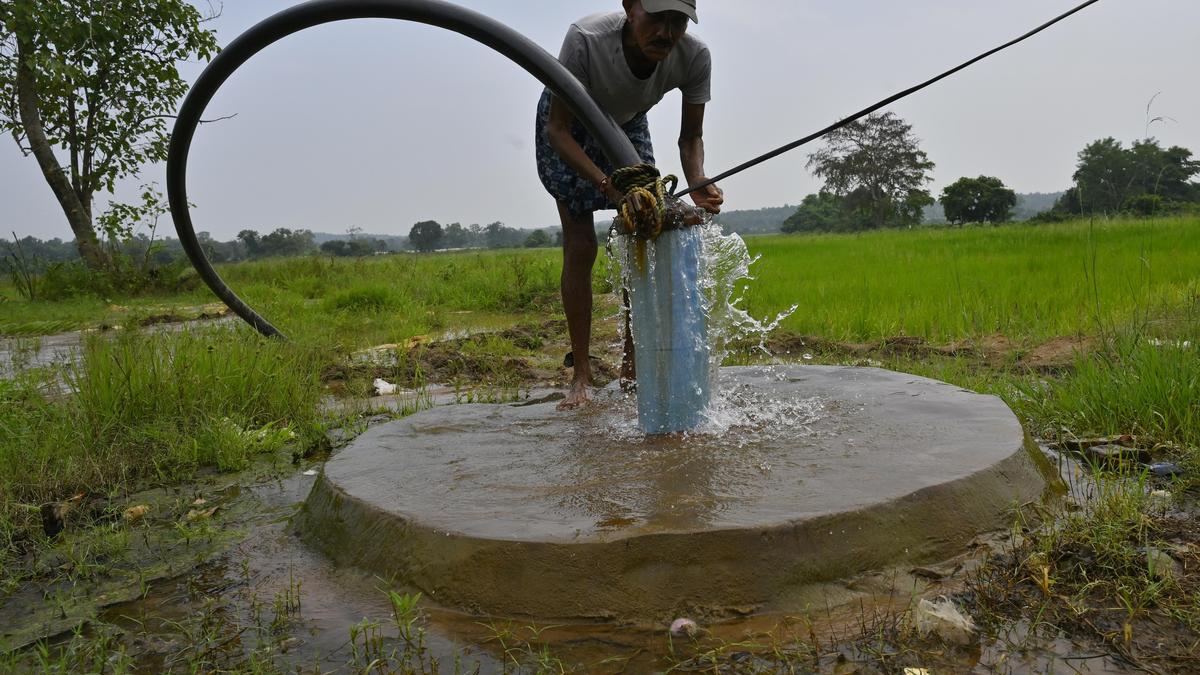
A new study published in Earth’s Future reveals that India’s Farm Power Subsidy (FPS), designed to support farmers, is now a major contributor to carbon emissions and groundwater depletion. Researchers estimate that free electricity for farm pumps results in 100 million tonnes of annual carbon emissions, driven by a 72% reliance on coal-based energy. They warn that these policies, though intended to reduce inequality, are exacerbating disparities between states and communities, compromising multiple Sustainable Development Goals (SDGs). The scientists are urging the central and state governments to rethink the FPS and promote climate-resilient irrigation and food production.
Key Points:
- The FPS is linked to 100 million tonnes of annual carbon emissions.
- The energy requirement underpinning the FPS is 72% coal-based.
- CO₂-equivalent emissions have been rising by 5.77 million tonnes annually since the mid-2000s.
- The study calls for a shift towards regionally appropriate crops, promoting millets in the west and south.
- Researchers advocate financial incentives for water and energy savings and compensation for crop losses due to climate extremes.
- The study highlights existing programs like the ‘Pradhan Mantri Krishi Sinchayee Yojana’ (PMKSY) and ‘Atal Bhujal Yojana’ for irrigation and groundwater management.
- Authors of the study include Virendra M. Tiwari, Dileep K. Panda, Arjamadutta Sarangi, Sunil K. Ambast, and Rajbir Singh.
Key Takeaways:
- India’s agricultural subsidies, while intended to support farmers, have unintended and significant environmental consequences.
- A shift towards climate-resilient irrigation and crop diversification is crucial for achieving sustainable development goals.
- Reviving the consumption of coarse cereals like millets can offer both nutritional and environmental benefits.
- Policy adjustments are needed to balance farmers’ income with sustainable resource management.
- Existing irrigation programs need to be reinforced and expanded to combat groundwater depletion.
Impact Analysis:
The findings of this study have far-reaching implications for India’s agricultural policy and its commitment to sustainable development. The call to repurpose agricultural policies and incentivize water and energy savings could lead to significant changes in farming practices. Promoting regionally appropriate crops and reviving millet consumption could reshape dietary habits and reduce the environmental footprint of food production. The emphasis on green climate finance for carbon capture and storage suggests a move towards more sustainable agricultural models. The study’s publication in a reputable journal such as Earth’s Future will likely influence policy discussions and attract international attention to the challenges and opportunities in India’s agricultural sector. Failure to address the unsustainable aspects of the FPS could compromise India’s ability to meet its SDG commitments and exacerbate water scarcity and climate change vulnerabilities.
 First Piper