
Fri Jan 16 16:28:59 UTC 2026: # Pro-Iran Rallies Erupt in Kashmir and Ladakh Amidst Internal Unrest in Iran
The Story:
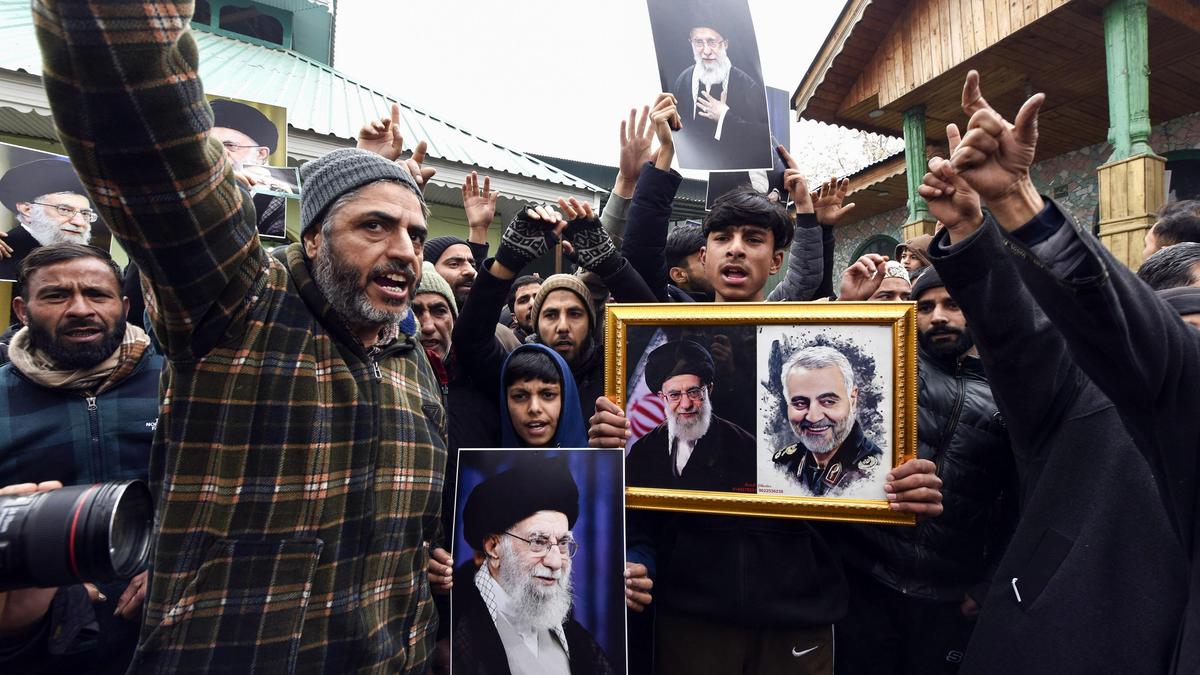
On January 16, 2026, pro-Iran regime rallies were held in parts of the Kashmir valley and Ladakh’s Kargil following Friday prayers. Major demonstrations took place in Budgam, Kashmir, where protesters voiced anti-U.S. and anti-Israel sentiments while carrying posters of Iranian leaders Ayatollah Ali Khamenei and Ruhollah Khomeini. Similar expressions of support for the Iranian regime occurred in Kargil, Sankoo, and Drass in Ladakh, despite sub-zero temperatures. These rallies come amidst ongoing protests within Iran.
Key Points:
* Pro-Iran rallies occurred in Budgam (Kashmir) and Kargil, Sankoo, and Drass (Ladakh) on January 16, 2026.
* Protesters carried posters of Ayatollah Ali Khamenei and Ruhollah Khomeini, expressing support for the Iranian regime.
* Rallies featured anti-U.S. and anti-Israel slogans.
* Shia cleric Aga Syed Hassan supported the rally in Budgam, urging international media to accurately report on the situation in Iran.
* Former J&K Chief Minister Mehbooba Mufti praised the rallies, criticizing U.S. foreign policy and highlighting Iran’s historical relationship with India.
Critical Analysis:
Given the timing of these rallies amidst internal unrest in Iran, the demonstrations indicate a deliberate effort to project an image of stability and support for the Iranian regime. The rallies in Kashmir and Ladakh, regions with significant Shia populations, suggest an attempt to leverage sectarian solidarity and potentially exert influence in these areas. The statement by Mehbooba Mufti adds a political dimension, criticizing the U.S. and aligning with a pro-Iran stance, which could be aimed at appealing to a specific segment of the population in the region.
Key Takeaways:
* The rallies demonstrate external support for the Iranian regime amidst internal challenges.
* The geographical location of the rallies (Kashmir and Ladakh) suggests strategic targeting of Shia communities.
* Political figures in the region are leveraging the situation to express their views on international relations and domestic politics.
* The events underscore the complex interplay of religious, political, and international factors in the region.
* India may need to carefully manage the situation to prevent further escalation of tensions and maintain regional stability.
Impact Analysis:
The pro-Iran rallies in Kashmir and Ladakh could have long-term implications for regional stability and Indo-U.S. relations.
- Regional Stability: The events could exacerbate existing tensions in the Kashmir region, potentially leading to further unrest and radicalization.
- Indo-U.S. Relations: India’s relationship with the U.S. could be strained if these pro-Iran sentiments gain traction and are perceived as undermining U.S. interests in the region.
- Sectarian Dynamics: The rallies could deepen sectarian divisions within the region, potentially leading to conflicts between Sunni and Shia communities.
- Iranian Influence: The events may be indicative of Iran’s attempts to expand its influence in the region, which could have broader geopolitical implications.
- Policy Implications: India may need to reassess its foreign policy towards Iran and the U.S. to navigate these complex geopolitical dynamics effectively.
 First Piper